
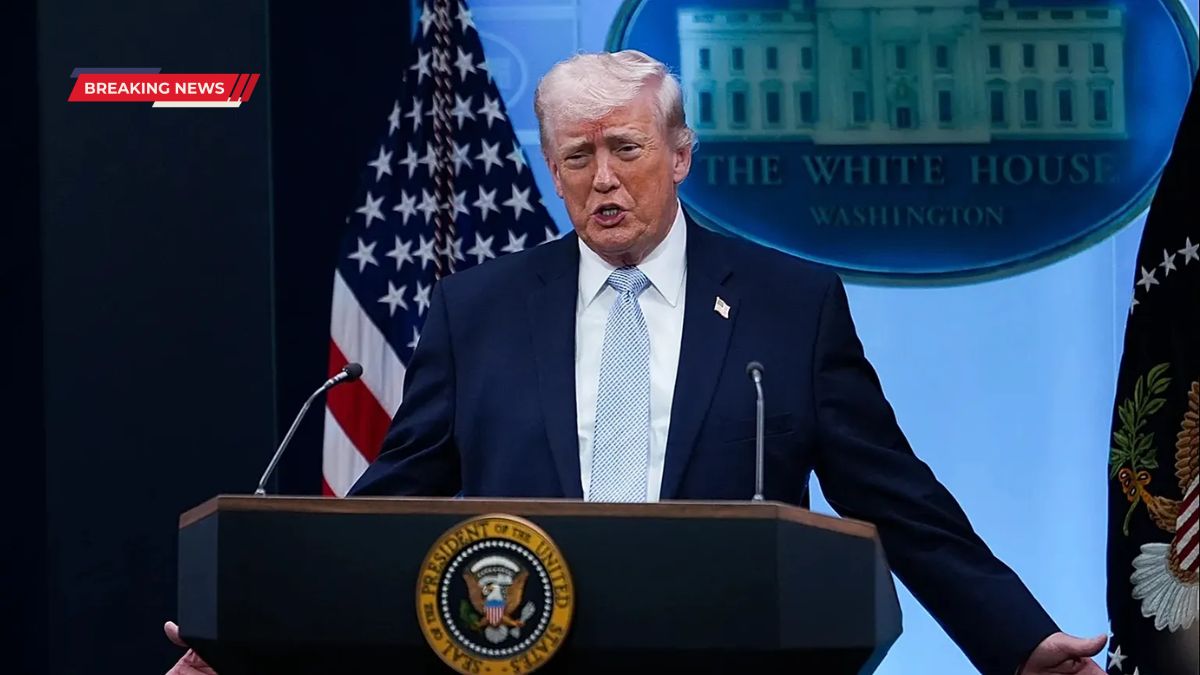
A new diplomatic agreement announced by President Donald Trump and Iranian officials claims to bring an end to the Iran war, marking a major shift in a conflict that has disrupted regional security and global energy markets for months. The deal, described by officials as a preliminary framework, includes steps to reopen the Strait of Hormuz and pause military operations while broader negotiations continue.
According to statements from both sides, the agreement is intended to stabilize energy flows and create space for further talks on Iran’s nuclear program. However, key elements of the final settlement remain unresolved, and officials have indicated that additional negotiations will continue after the initial signing ceremony scheduled in Switzerland.
Announcement
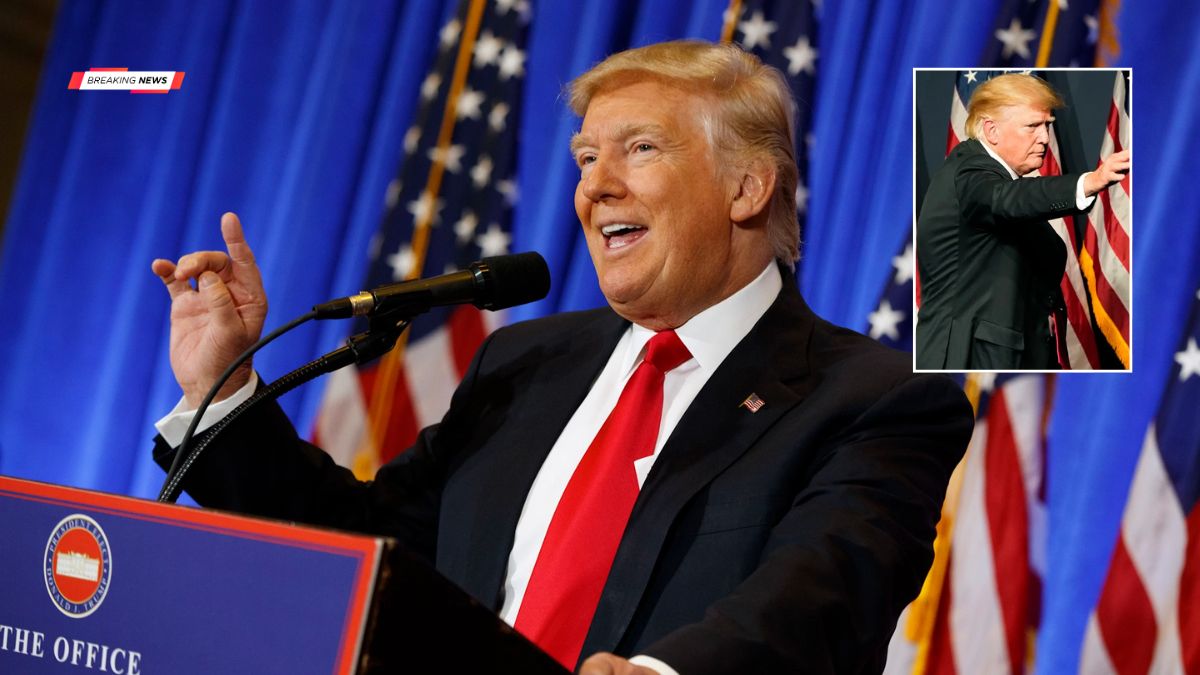
President Trump announced the agreement in a social media post, stating that the deal was “complete” and confirming actions related to the Strait of Hormuz and U.S. naval operations in the region. Iranian and Pakistani officials later confirmed elements of the agreement through state media and diplomatic channels.
The White House referred to the president’s public statements when asked for additional details, indicating that formal documentation and implementation steps were still being finalized.
Under the current framework, the Strait of Hormuz is expected to reopen following the signing ceremony, which officials say will take place later in the week in Switzerland.
Terms
The agreement centers on several immediate and conditional measures. The most significant is the reopening of the Strait of Hormuz, a critical global shipping route that handles a substantial portion of global oil and gas transport.
In exchange, the United States would lift its blockade of Iranian ports, according to statements attributed to the administration. Both sides have also indicated that military operations would be halted, including activity linked to broader regional fronts.
| Component | Description |
|---|---|
| Strait of Hormuz | Reopening for global shipping |
| U.S. naval blockade | Planned removal |
| Military activity | Suspension of operations |
| Nuclear issue | Deferred to further talks |
Officials say the nuclear program remains the most sensitive unresolved issue and will be addressed in a separate 60-day negotiation period following the initial agreement.
Reactions
Iranian Deputy Foreign Minister Kazem Gharibabadi described the agreement as an immediate and permanent end to military operations, while noting that further discussions would be required to finalize long-term arrangements.
Pakistan’s Prime Minister Shehbaz Sharif, who has been involved in mediation efforts, confirmed plans for a signing ceremony in Switzerland and described the agreement as the result of extended negotiations between the parties.
Market reaction was immediate. Oil prices fell following the announcement, reflecting expectations that supply routes through the Strait of Hormuz could stabilize if the agreement is implemented as planned.
Background
The conflict escalated earlier in the year following coordinated military strikes involving the United States and Israel against Iranian targets. Iran responded with missile and drone attacks across the region, contributing to wider instability in the Middle East.
The Strait of Hormuz became a central pressure point during the conflict, with disruptions affecting global energy supplies and contributing to rising fuel prices in multiple markets.
| Date | Development |
|---|---|
| Feb. 28 | Conflict begins with coordinated strikes |
| April 7 | Temporary ceasefire agreement reached |
| Mid-year | Continued regional exchanges of fire |
| June 14 | Peace agreement announced |
| June 19 | Expected signing in Switzerland |
The conflict also expanded into Lebanon and surrounding regions, involving additional armed groups and contributing to broader regional instability.
Economic Impact
The war had significant effects on global energy markets due to its impact on the Strait of Hormuz, which handles roughly one-fifth of global oil and gas shipments. Disruptions in the region contributed to volatility in fuel prices and supply chain uncertainty.
Following the announcement of the agreement, crude oil benchmarks declined by more than 4 percent in early trading, reflecting expectations of improved shipping stability and reduced geopolitical risk.
Analysts note that while market reactions were immediate, longer-term stability will depend on whether the agreement holds and whether further escalation is avoided during the follow-up negotiation period.
Security
Despite the announcement, officials acknowledged that tensions remain in several areas, particularly in Lebanon and other parts of the region where proxy conflicts have continued throughout the war.
Both sides have indicated that violations or breakdowns in negotiations could lead to renewed hostilities. Iranian officials have stated that contingency measures are in place if the agreement is breached.
The United States and Israel have maintained that Iran’s nuclear capabilities remain a central concern, and further negotiations are expected to focus on restrictions and verification mechanisms.
Outlook
The agreement marks a pause in active conflict but does not represent a final settlement of all disputes. Key issues, including Iran’s nuclear program and regional security arrangements, remain under negotiation.
Officials on both sides have described the next 60 days as critical in determining whether the agreement develops into a lasting peace framework or remains a temporary de-escalation measure.
The signing ceremony in Switzerland is expected to formalize the initial terms and establish the structure for continued diplomatic engagement.
The announced agreement between the United States and Iran represents a significant shift in a conflict that has affected regional security and global energy markets. While the reopening of the Strait of Hormuz is a central element of the deal, many core issues remain unresolved and are set to be addressed in further negotiations.
The outcome of those talks will determine whether the current agreement leads to a sustained settlement or a temporary pause in hostilities.
FAQs
What is the main point of the Iran deal?
It aims to pause military conflict and reopen the Strait of Hormuz.
When will the deal be signed?
Officials say the signing is expected in Switzerland on June 19.
What happens to the Strait of Hormuz?

It is expected to reopen for global shipping under the agreement.
Is the nuclear issue resolved?
No, it will be addressed in further negotiations over 60 days.
How did markets react?
Oil prices fell more than 4 percent after the announcement.











Ariana Grande Plans Break From Public Spotlight After Tour Amid Ongoing Scrutiny