
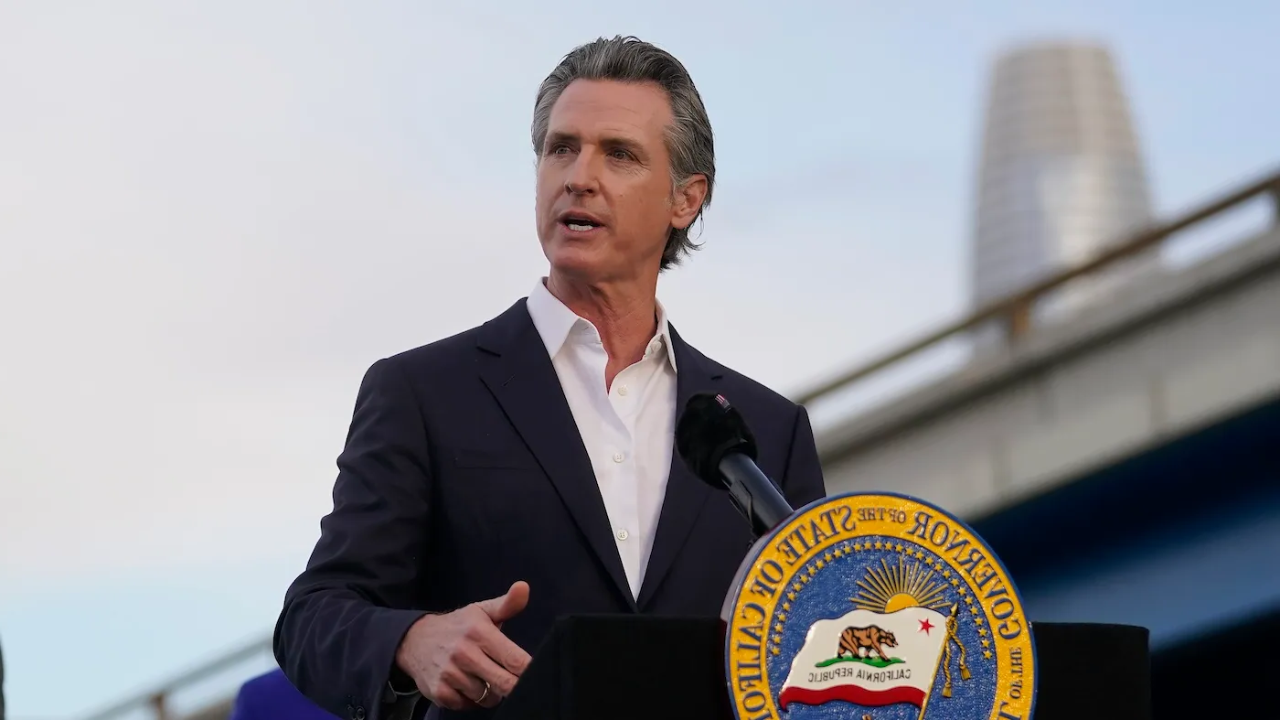
California Governor Gavin Newsom has been fined $31,500 by the state’s political ethics watchdog after officials determined that his office failed to timely report approximately $5.5 million in behested payments connected to Los Angeles wildfire recovery efforts. The penalty stems from delayed disclosure filings involving donations solicited for nonprofit organizations and relief programs supporting communities impacted by devastating wildfires.
The case has drawn significant public attention because of the size of the donations involved and the importance of transparency requirements governing public officials. While the payments were directed toward charitable and disaster recovery purposes rather than personal use, state regulators concluded that reporting deadlines established under California law were not met.
What Are Behested Payments and Why the Fine Was Issued
Behested payments are donations made at the request or suggestion of elected officials to nonprofit organizations, government agencies, educational institutions, or charitable causes. California law permits such payments but requires public officials to disclose them within specified reporting periods to ensure transparency and public accountability.
According to the state’s ethics commission, Newsom’s office failed to submit required disclosure forms on time for approximately $5.5 million in wildfire-related contributions. Regulators stated that although the donations themselves were lawful and intended for public benefit, the reporting delays violated disclosure requirements. As a result, the commission approved a $31,500 fine to resolve the matter.
Officials emphasized that the enforcement action focused on transparency compliance rather than allegations of personal financial gain or misuse of funds.
Wildfire Recovery Donations and Their Intended Purpose
The donations at the center of the case were reportedly connected to relief and recovery efforts following destructive Los Angeles-area wildfires. Such funds are often used to support emergency assistance, housing programs, community rebuilding initiatives, and services for residents affected by natural disasters.
State officials noted that the contributions helped organizations involved in responding to wildfire-related challenges. The issue raised by regulators was not how the money was spent, but rather whether the required public disclosures were filed within the legally mandated timeframe.
Supporters of strict disclosure laws argue that timely reporting allows the public to monitor significant financial contributions connected to elected officials and ensures confidence in government decision-making.
Political and Public Response
The fine has generated discussion among political observers, ethics advocates, and government transparency organizations. Critics argue that elected officials should be held accountable for complying with disclosure requirements regardless of the purpose of the donations involved.
Meanwhile, representatives associated with the governor have indicated that the reporting delays were administrative in nature and did not involve personal benefit. They have also emphasized that the funds were directed toward helping communities recover from wildfire damage rather than supporting political activities.
The case highlights the growing scrutiny surrounding financial disclosures and ethics regulations in California, particularly when large sums of money are involved.
Case Overview
| Category | Details |
|---|---|
| Individual Involved | Gov. Gavin Newsom |
| Fine Amount | $31,500 |
| Reporting Issue | Late disclosure of behested payments |
| Total Donations Involved | Approximately $5.5 million |
| Purpose of Donations | Los Angeles wildfire relief and recovery |
| Oversight Agency | California political ethics watchdog |
| Violation Type | Late reporting of required disclosures |
| Personal Financial Benefit Alleged | No |
| Status | Settlement and fine approved |
| Public Interest Issue | Government transparency and accountability |
Importance of Disclosure Rules
California maintains some of the nation’s most comprehensive public disclosure laws designed to increase transparency in government. Behested payment reporting requirements help ensure that large donations connected to public officials are publicly documented and available for review.
Transparency advocates argue that timely disclosures reduce the risk of perceived conflicts of interest and strengthen public trust in government institutions. Even when donations are made for charitable purposes, regulators maintain that reporting rules must be followed consistently to preserve accountability.
The enforcement action against Newsom demonstrates that ethics agencies may impose penalties even when there is no allegation that funds were improperly used.
Governor Gavin Newsom’s $31,500 fine over the late reporting of $5.5 million in wildfire-related behested payments has brought renewed attention to California’s government transparency laws. While the donations were reportedly directed toward wildfire recovery and community assistance programs, regulators determined that disclosure deadlines were missed, resulting in the penalty.
The case serves as a reminder that public officials are expected to comply with reporting requirements regardless of the purpose of the funds involved. As California continues to address wildfire recovery challenges, transparency and accountability remain key issues in public administration and ethics oversight.
FAQ’s:
Why was Governor Newsom fined?
He was fined for failing to timely report approximately $5.5 million in behested payments as required by state disclosure laws.
What are behested payments?
They are donations made to organizations or causes at the request or suggestion of a public official.
How much was the fine?

The California ethics watchdog imposed a fine of $31,500.
Were the donations used for personal purposes?
No. The funds were reportedly directed toward wildfire recovery and relief efforts.
What issue did regulators identify?
Regulators concluded that required disclosure forms were filed after the legal reporting deadlines.














Ariana Grande Plans Break From Public Spotlight After Tour Amid Ongoing Scrutiny