
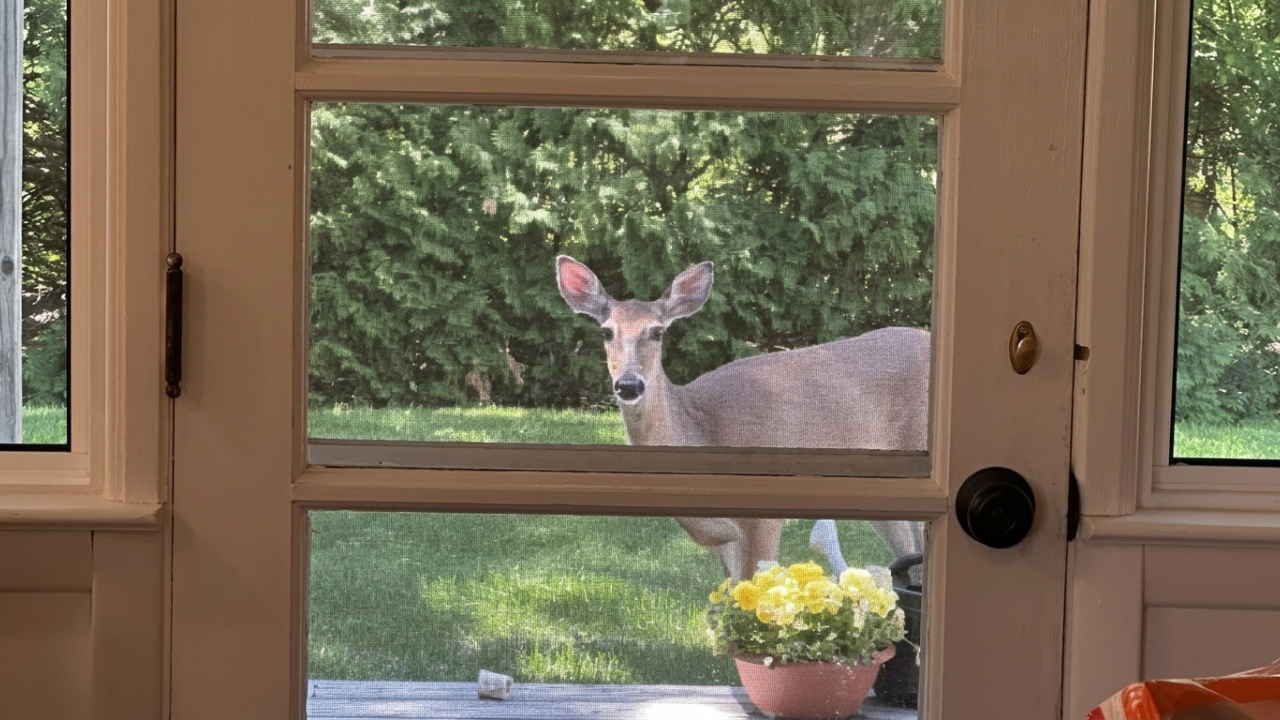
Beverly Hills officials are actively considering multiple strategies—including culling, trapping, and fertility control—to manage a growing deer population that residents say has become increasingly aggressive and disruptive. The issue has sparked community debate, with some residents reporting deer chasing pedestrians and damaging gardens, while others argue the animals should be left alone as part of the natural environment.
The discussion comes amid broader concerns about urban wildlife management, where expanding deer populations in suburban neighborhoods often lead to conflicts involving safety, property damage, and ecological imbalance. Local authorities are now working with wildlife experts to evaluate possible solutions, balancing animal welfare concerns with public safety and environmental management needs.
Rising Deer Population and Community Concerns
Residents in Beverly Hills have reported a noticeable increase in deer sightings in recent years, with some describing encounters where deer have approached or followed people walking dogs in residential areas. Reports of damaged landscaping, gardens, and vegetation have also become more common, leading to frustration among homeowners who feel the situation is escalating beyond normal wildlife presence.
Some community members argue that the deer have become increasingly comfortable around humans due to limited natural predators and urban expansion into wildlife habitats. Officials note that such conditions often contribute to population growth in suburban deer herds, creating long-term challenges for city management and raising concerns about potential safety risks, including vehicle collisions and aggressive encounters.
Management Options Under Consideration
The village has reviewed several potential strategies in coordination with the Michigan Department of Natural Resources, including controlled culling, live trapping and removal, and fertility control programs. Each option presents different logistical, financial, and ethical challenges that must be weighed carefully before implementation.
Culling is described as a highly managed process that reduces deer numbers through regulated hunting or professional wildlife control programs. Trapping and relocation, however, is considered less effective by wildlife experts due to stress on animals and limited suitable relocation sites. Fertility control, often involving immunocontraceptive treatments, is seen as a non-lethal alternative but is typically costly and requires repeated application to maintain effectiveness over time.
Public Debate and Divided Opinions
The proposal has sparked mixed reactions among residents, with some supporting population reduction measures to restore balance and reduce property damage. These residents emphasize safety concerns and argue that unmanaged growth could worsen conflicts between humans and wildlife over time.
Others, however, oppose lethal control measures and advocate for coexistence strategies. They argue that deer are part of the natural ecosystem and express concern about the ethics of culling. This division reflects a broader national debate over urban wildlife management, where emotional, environmental, and safety considerations often collide in policy decisions.
Deer Management Summary Table
| Category | Details |
|---|---|
| Location | Beverly Hills (suburban community) |
| Issue | Deer overpopulation and increasing human-wildlife conflict |
| Reported Concerns | Aggression, property damage, garden loss |
| Proposed Solutions | Culling, trapping/removal, fertility control |
| Agency Involved | Michigan Department of Natural Resources |
| Key Challenge | Balancing public safety and animal welfare |
| Public Opinion | Divided between intervention and coexistence |
| Risk Factors | Vehicle collisions, aggressive encounters |
| Status | Under review by local officials |
| Outcome | No final decision yet |
Wildlife Experts and Urban Ecology Context
Wildlife management experts note that suburban deer overpopulation is a widespread issue in many parts of North America, driven by habitat fragmentation, lack of predators, and human-provided food sources such as gardens and landscaping plants. These conditions create environments where deer populations can grow rapidly without natural controls.
Studies in urban ecology show that cities often struggle to implement consistent wildlife population control due to regulatory limitations, public opposition, and logistical constraints. Effective management typically requires collaboration between local governments and state wildlife agencies, along with sustained public engagement to build consensus around long-term solutions.
Challenges in Implementing Control Measures
Each proposed deer management strategy comes with significant implementation challenges. Culling programs often face public resistance and require careful regulation to ensure safety in populated areas. Trapping and relocation programs are limited by stress on animals and lack of suitable habitats for release, while fertility control methods require long-term funding and repeated treatment cycles.
Officials also face the challenge of ensuring transparency and maintaining public trust throughout the decision-making process. Community input is expected to play a key role in shaping the final approach, as differing opinions continue to influence how the village moves forward with potential wildlife management actions.
Beverly Hills’ consideration of deer culling, trapping, and fertility control reflects a growing challenge faced by suburban communities dealing with expanding wildlife populations. While residents remain divided on the best approach, officials are working with wildlife experts to identify solutions that balance safety, environmental responsibility, and ethical concerns.
As the debate continues, the final decision will likely depend on a combination of scientific recommendations, public input, and practical feasibility. The outcome could serve as a model for other communities facing similar deer overpopulation issues across suburban regions.
FAQ’s:
Why is Beverly Hills considering deer control measures?
Because residents have reported increasing deer population, aggression, and property damage.
What options are being discussed?
Officials are considering culling, trapping and removal, and fertility control methods.
Is relocation of deer an option?

Wildlife experts generally consider relocation ineffective and not recommended.
Why is deer overpopulation happening in suburban areas?
Due to lack of predators, habitat changes, and abundant food sources in residential areas.
Has a final decision been made?
No, the proposal is still under review by local authorities and wildlife officials.

















Ariana Grande Plans Break From Public Spotlight After Tour Amid Ongoing Scrutiny