
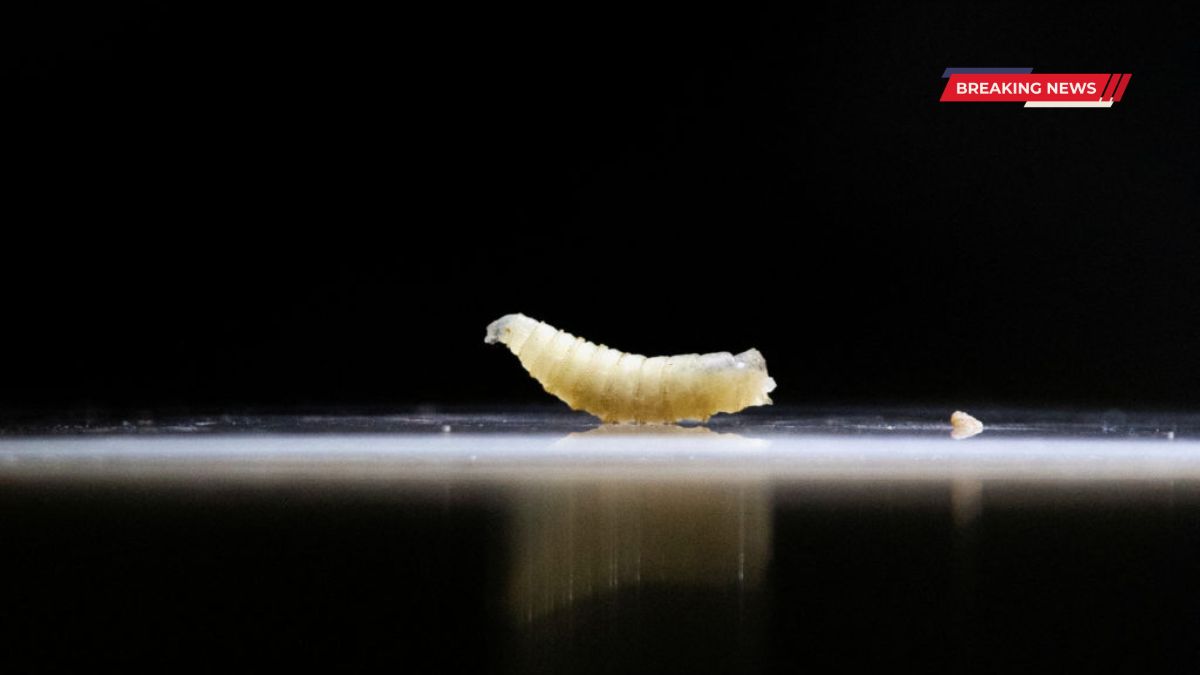
U.S. agriculture officials have confirmed the detection of the New World screwworm fly in southern Texas, marking the first known case in the state in nearly 60 years and raising renewed concerns for livestock health along the U.S.-Mexico border region.
The case was identified in a calf in La Pryor, Texas, prompting immediate containment measures and renewed federal monitoring efforts.
The U.S. Department of Agriculture confirmed Wednesday that the parasite, which is known for its flesh-eating larvae, has been detected in the United States for the first time in decades. Officials say this is only the third confirmed appearance in the country in that period.
Agriculture Secretary Brooke Rollins said the infected animal was a 3-week-old calf located about 50 miles from the Mexican border.
Detection
According to state veterinary officials, the infection was discovered during routine monitoring efforts aimed at tracking the northward movement of the pest from Mexico.
Texas State Veterinarian Bud Dinges said authorities immediately established a 12-mile quarantine zone around the affected area. The restrictions prevent movement of warm-blooded animals, including livestock and pets, without inspection.
Officials emphasized that no additional cases have been identified within the United States at this time.
Response
Federal and state agencies have been coordinating surveillance and containment efforts for over a year in anticipation of the pest’s potential return.
Measures include large-scale deployment of sterile screwworm flies, a biological control method previously used to eliminate the species from the United States in the 20th century.
Agriculture officials said they are confident current safeguards will limit spread and prevent establishment of a sustained population.
Background
The New World screwworm fly was eradicated from the U.S. in the 1960s after causing significant losses to the livestock industry. It had been largely contained in Central America for decades before spreading northward again in recent years.
The parasite lays eggs in open wounds or mucous membranes. Once hatched, larvae feed on living tissue, which can lead to severe injury or death in untreated animals.
Officials say the fly can affect livestock, wildlife, household pets, and in rare cases, humans.
Current Risk
Agriculture Secretary Rollins said there is no evidence of a widespread infestation and described the situation as contained.
Officials also noted that properly treated animals, including the infected calf, are expected to recover.
Experts say the fly does not typically travel long distances on its own but can spread through movement of infected animals, wildlife, or human-assisted transport.
Containment Strategy
Federal efforts include the continued release of sterile flies, a method designed to reduce reproduction rates in the wild population over time.
The USDA has also invested in infrastructure to support large-scale production of sterile screwworm flies, including converting facilities in Mexico and building a new production center in Texas.
Officials said thousands of traps have been deployed along the border, and tens of thousands of samples have been tested as part of ongoing surveillance.
Industry Impact
Livestock producers have been on alert for months due to the pest’s movement through Mexico, where cases had been reported closer to the U.S. border.
Agriculture officials and ranching groups have warned that a larger outbreak could lead to significant economic losses if not contained quickly.
Texas authorities have urged ranchers and pet owners within the quarantine zone to comply with movement restrictions to help prevent further spread.
The detection of the screwworm fly in Texas marks a rare reappearance of a parasite that was once eliminated from the United States. While officials stress that the situation remains contained, federal and state agencies are expanding monitoring and control measures to prevent further spread along the border region.
FAQs
What was found in Texas?
A New World screwworm fly was detected in a calf.
Why is it a concern?
Its larvae can infest and damage livestock and animals.
Where was it detected?

In La Pryor, Texas near the Mexico border.
What measures were taken?
Authorities created a quarantine zone and began monitoring.
Can it spread easily?
It spreads mainly through infected animals, not long flight distances.
















Ariana Grande Plans Break From Public Spotlight After Tour Amid Ongoing Scrutiny