
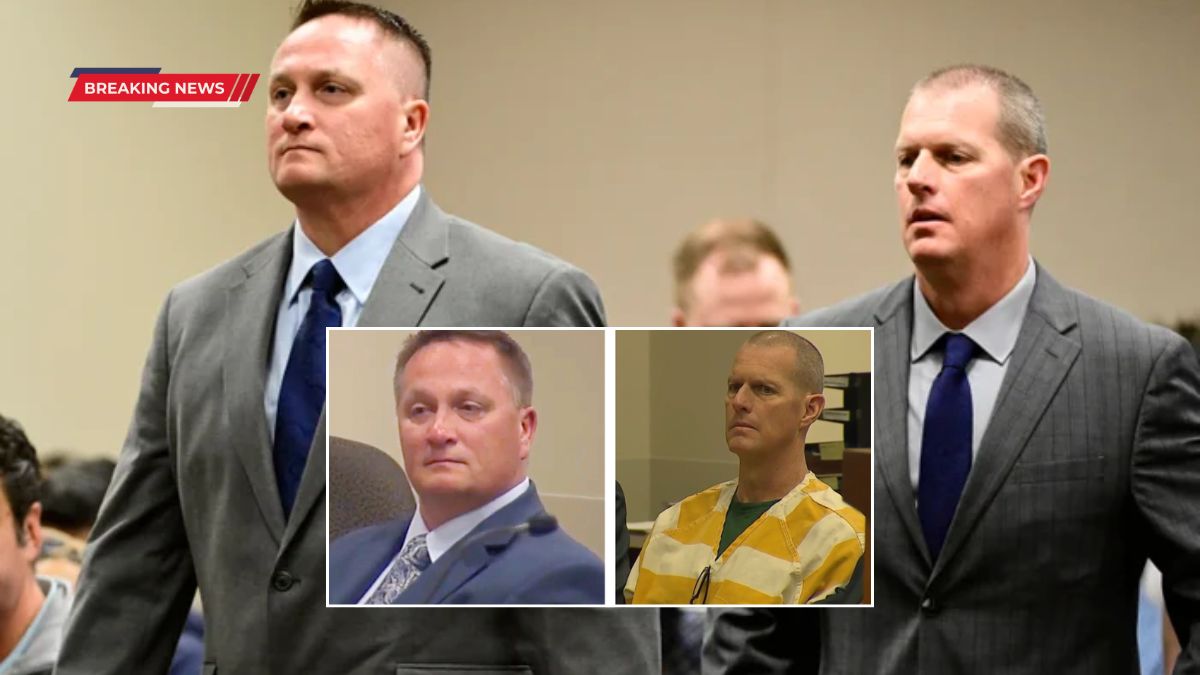
A Colorado appeals court on Thursday overturned homicide convictions against two paramedics involved in the 2019 death of Elijah McClain, ordering new trials in a case that has remained a focal point in national debates over police custody, medical restraint, and the use of ketamine.
The ruling does not fully clear the defendants but resets part of the criminal proceedings tied to McClain’s death.
The court reversed criminally negligent homicide convictions against Aurora Fire Rescue paramedics Jeremy Cooper and Peter Cichuniec. The judges found issues with jury instructions used during the original trial, requiring the case to be retried on that charge.
Cichuniec’s separate assault conviction was upheld, meaning part of his criminal liability remains in place.
Incident
Elijah McClain, 23, died in 2019 after being stopped by Aurora police while walking home from a convenience store. Officers restrained him during the encounter, including placing him in a neck hold, after responding to a report describing a suspicious person.
During the incident, paramedics administered ketamine, a powerful sedative used in emergency medicine. McClain later went into cardiac arrest and died.
His last recorded words, “I can’t breathe,” drew widespread attention in the years following his death and became part of broader protests over policing and racial justice.
Trial
In 2023, a jury found Cooper and Cichuniec guilty of criminally negligent homicide after a multiweek trial in state court. Cichuniec was also convicted of second-degree assault.
Cooper was sentenced to 14 months in jail with work release and probation. Cichuniec received a five-year prison sentence, though he was later released after a judge reduced his sentence to probation, citing unusual circumstances under Colorado sentencing law.
The appeals court decision specifically focused on how jurors were instructed to evaluate the homicide charges, determining that errors in those instructions affected the verdict.
Medical Response
At the center of the case is the use of ketamine, which paramedics administered after concluding McClain may have been experiencing what was described at the time as “excited delirium.”
That term has since become widely disputed in the medical community, and Colorado officials later instructed emergency responders to stop using it as a justification for ketamine administration.
Defense attorneys argued that the paramedics followed then-existing training protocols and that prosecutors did not definitively prove the drug caused McClain’s death.
Legal Context
The appeals court did not overturn all findings in the case. Instead, it ordered a new trial on the negligent homicide charge while leaving the assault conviction intact for Cichuniec.
The decision sends the case back to a lower court for further proceedings, potentially reopening testimony and medical evidence presented in the original trial.
Reactions
The ruling drew mixed reactions from advocates and community members connected to the case. Some expressed disappointment, saying it raised ongoing questions about accountability in deaths involving law enforcement custody.
Others noted that the decision reflects procedural concerns rather than a full reassessment of the underlying events.
Broader Impact
McClain’s death became one of the most closely watched cases in the national conversation about policing and emergency medical intervention. The case also contributed to changes in how paramedics assess and administer sedatives during law enforcement encounters.
Experts say the ruling may influence how future cases involving medical responders in custody situations are prosecuted and how juries are instructed in similar trials.
The Colorado appeals court ruling reopens a major legal chapter in the death of Elijah McClain, sending part of the case back for retrial while leaving other convictions intact. As proceedings continue, the case remains a significant reference point in debates over emergency medical practices, criminal responsibility, and law enforcement encounters.
FAQs
What did the court decide?
It ordered new trials for two paramedics on homicide charges.
Who was involved in the case?
Paramedics Jeremy Cooper and Peter Cichuniec.
What happened to Elijah McClain?

He died after being restrained by police and sedated with ketamine.
Were all convictions overturned?
No, an assault conviction for Cichuniec was upheld.
Why is the case being retried?
The appeals court found issues with jury instructions.













Ariana Grande Plans Break From Public Spotlight After Tour Amid Ongoing Scrutiny