The international surfing community is reflecting on a fatal accident at Teahupo’o, Tahiti, after a 56-year-old American surfer died from injuries sustained during a wipeout on the reef. The incident occurred during relatively small surf conditions, underscoring the persistent risks associated with shallow reef breaks even outside of major swell events.
The surfer has been identified in early reports as Patrick Phillips of San Diego. While authorities in Tahiti have not released a full incident report, local officials have confirmed key details surrounding the accident. Phillips was surfing with a small group of friends late Thursday afternoon when the wipeout occurred.
Location
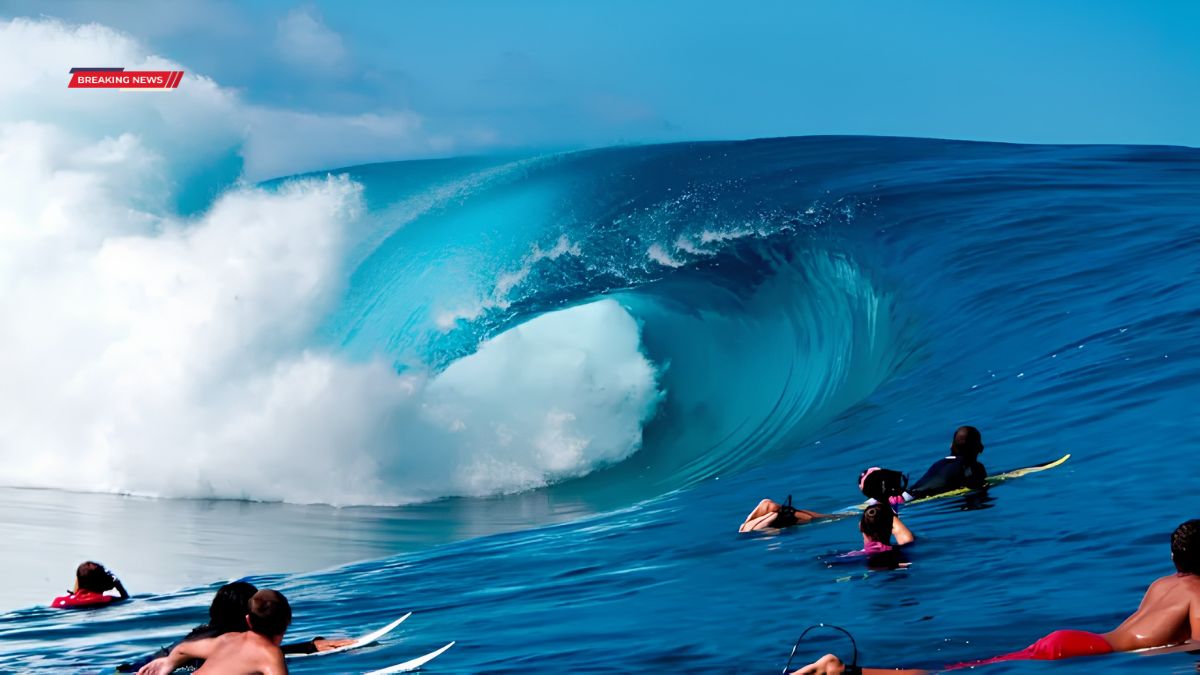
Teahupo’o is internationally known for its powerful, hollow waves that break directly over a shallow coral reef. The wave has hosted major international competitions and is closely monitored during large swells. However, on smaller days, the lineup is often unpatrolled, even though the reef remains exposed and hazardous.
According to witnesses, conditions at the time were not considered extreme, which may have contributed to the absence of an official water safety team in the lineup.
Incident
Local authorities say Phillips fell from his board and struck his head on the reef. Teahupo’o community mayor Milton Parker confirmed the nature of the injuries to local media.
“The victim fell off his board, hit his head on the reef, and broke two vertebrae in his neck,” Parker said.
Reef breaks like Teahupo’o offer little margin for error. A fall can result in direct contact with coral, and even moderate waves can generate enough force to cause serious trauma.
Rescue
Immediately following the wipeout, another American surfer in the water responded and swam to Phillips. According to reports, the rescuer was able to revive him while still in the lineup. Other surfers then assisted in transporting Phillips by boat to shore.
First aid was administered on land before he was taken to Taravao Hospital. Due to the severity of his injuries, Phillips was later transferred to the French Polynesia Hospital Centre (CHPF) for further treatment.
Hospital
Medical staff treated Phillips for several days as he remained in critical condition. Despite continued care, he died late in the evening on June 19.
Head and spinal injuries are among the most serious risks associated with shallow reef surfing. Outcomes can remain uncertain even when rescue and medical response are rapid.
History
Fatal incidents at Teahupo’o are uncommon, largely due to safety protocols in place during major swells and professional events. Jet skis, water patrols, and rescue teams are typically deployed during high-risk conditions.
The previous recorded fatality at the break occurred in 2000, when local Tahitian surfer Brice Taerea died following an accident at the same location.
Impact
News of the incident has circulated widely within the surfing community, prompting renewed attention to safety considerations at reef breaks, particularly on days when conditions appear manageable.
SURFER has contacted individuals in Tahiti who may have been involved in the rescue but has not yet received additional information. Authorities have not indicated whether any changes to safety procedures are being considered.
As the investigation continues, the incident serves as a reminder that Teahupo’o remains dangerous regardless of wave size. Phillips is survived by family and friends, who are now receiving condolences from across the surfing world.
FAQs
Who was the surfer involved?
Early reports identify the surfer as Patrick Phillips from San Diego.
Where did the accident occur?
The incident took place at Teahupo’o reef break in Tahiti.
What injuries were reported?

Local officials said the surfer broke two vertebrae in his neck.
Was a water patrol on duty?
No water patrol was operating due to smaller surf conditions.
When was the last fatality at Teahupo’o?
The previous recorded death at the break was in the year 2000.