
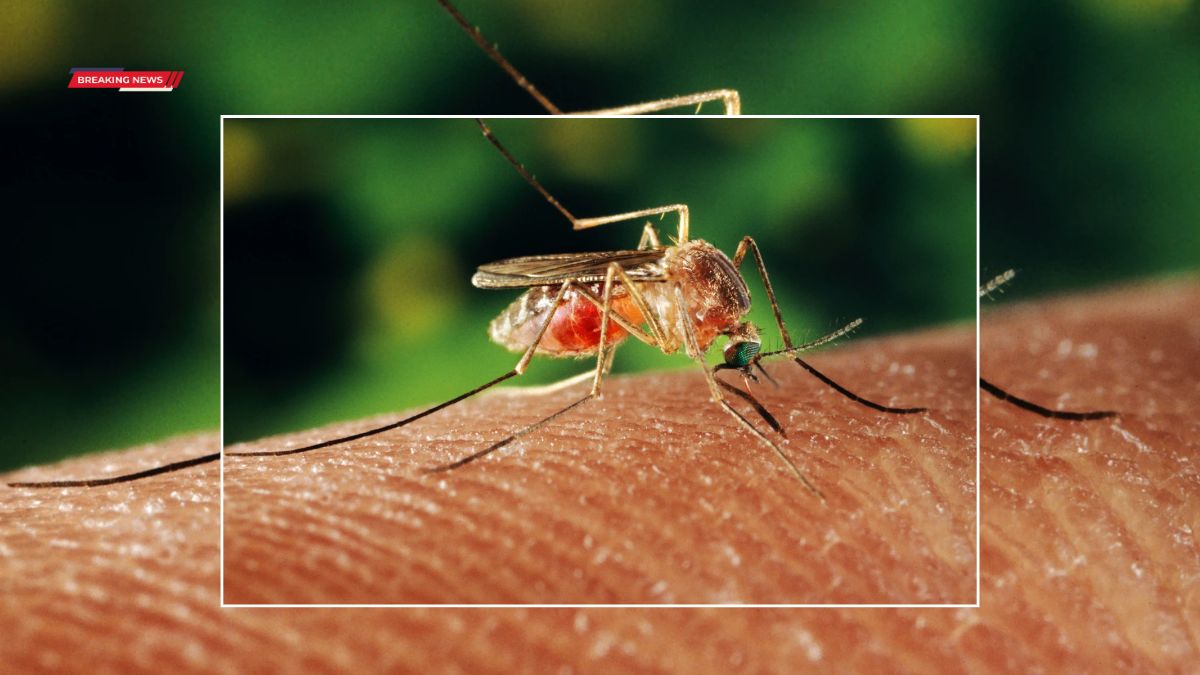
Health officials in Southern Nevada are asking residents to pay close attention to their yards, pools, and patios after West Nile-positive mosquitoes were confirmed in three Las Vegas-area ZIP codes. The findings come from routine mosquito surveillance and are meant to encourage prevention, not alarm. Even small amounts of standing water around homes can support mosquito breeding, especially as warmer temperatures arrive earlier in the year.
The Southern Nevada Health District says the detections highlight the importance of basic yard maintenance and awareness as mosquito season gets underway.
Detection
The health district first identified West Nile-positive mosquitoes in the 89121 ZIP code. Additional testing later confirmed positive mosquitoes in ZIP codes 89169 and 89139. According to FOX5 Vegas, the later detections were located in the central valley and Enterprise areas.
These detections were made through mosquito traps used as part of the district’s ongoing surveillance program. Officials emphasized that the findings do not mean people in these areas are infected, but they do signal that the virus is present in local mosquito populations.
Here is a simple overview of the affected ZIP codes:
| ZIP Code | General Area |
|---|---|
| 89121 | East Las Vegas |
| 89169 | Central Valley |
| 89139 | Enterprise |
Surveillance
The Southern Nevada Health District began its routine mosquito surveillance program in March, about one month earlier than usual. Officials said the decision was based on warmer temperatures and rainfall, which created favorable conditions for mosquito development.
The agency plans to conduct additional trapping and testing in the areas where positive mosquitoes were found. This allows officials to monitor mosquito activity and determine whether West Nile virus continues to circulate in those neighborhoods as the season progresses.
Standing Water
Health officials say standing water around homes remains the most important issue for residents to address. Mosquitoes can lay eggs in water that collects after sprinklers, rain, or routine pool use. According to the health district, mosquito larvae can develop in standing water within seven to ten days, and the size of the container does not matter.
Common areas to check include plant saucers, pet bowls, toys, buckets, birdbaths, clogged gutters, and irrigation runoff. These spots are often overlooked, yet they can hold water long enough for mosquitoes to breed.
Pools
Pools and pool-related equipment are another key focus of the warning. Pool covers can collect water on top, and unused or poorly maintained pools can turn green and become breeding sites. Wading pools, ornamental ponds, and fountains can also pose a risk if water is left stagnant.
The health district encourages residents to report green pools to local code enforcement, as these conditions can contribute to mosquito problems beyond a single property. Air-conditioner drain outlets are also mentioned as potential sources of standing water that should be checked regularly.
Prevention
The health district’s Fight the Bite guidance recommends several steps to reduce the risk of mosquito bites and virus spread. Residents are advised to eliminate standing water around their homes, use an EPA-registered insect repellent, and wear protective clothing such as long sleeves and pants when outdoors.
People are also encouraged to report mosquito activity to the district’s surveillance program at 702-759-1633. Reporting helps officials track mosquito populations and respond more effectively.
Symptoms
West Nile virus is spread to people through the bite of an infected mosquito. The health district notes that most people who become infected do not develop symptoms.
When symptoms do occur, they may include fever, headache, body aches, joint pain, vomiting, diarrhea, or a rash. In rare cases, West Nile virus can lead to serious neurological illness.
Health officials say simple preventive steps taken at home can significantly reduce mosquito breeding and lower the risk of exposure. Regular yard checks and basic maintenance are considered especially important as temperatures continue to rise across the Las Vegas valley.
FAQs
Which ZIP codes had West Nile-positive mosquitoes?
Mosquitoes tested positive in 89121, 89169, and 89139.
How does West Nile virus spread?
It spreads through the bite of an infected mosquito.
Why is standing water a concern?

It allows mosquito larvae to develop within days.
What should residents do about green pools?
They should report them to local code enforcement.
Where can mosquito activity be reported?
Call the health district at 702-759-1633.





Artist Says $100,000 Charlie Kirk Sculpture Has No Buyer After Months of Work