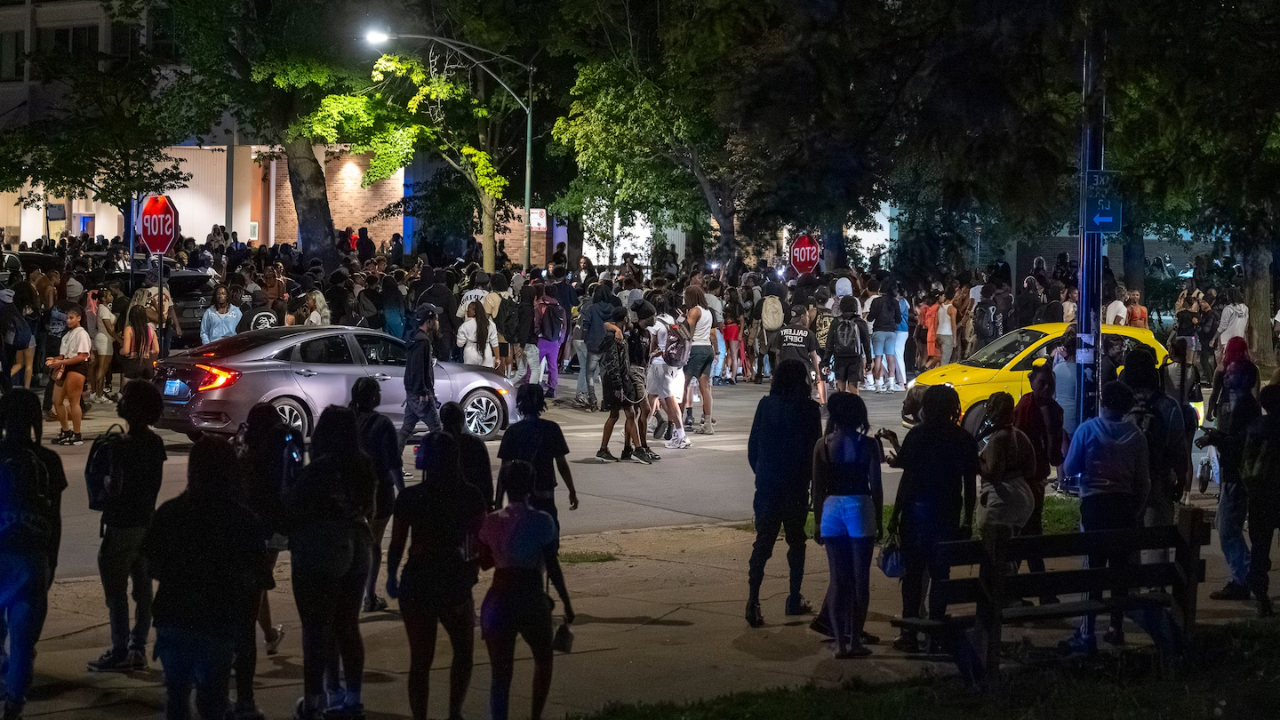
Cities across the United States are facing a growing challenge as large gatherings of teenagers—often referred to as “teen takeovers”—become more frequent in parks, shopping districts, beaches, downtown streets, and entertainment areas. Organized primarily through social media platforms and messaging apps, these events can attract hundreds of young people within a short period. While many gatherings begin peacefully, some have escalated into fights, vandalism, theft, traffic disruptions, and occasional acts of violence, leaving city officials searching for effective ways to respond.
The phenomenon has become increasingly difficult for local governments because no single definition or cause fits every incident. Some gatherings resemble informal social events, while others quickly overwhelm public spaces and require a large police response. Officials, educators, parents, and community organizations are now debating how to balance public safety with the rights of young people to gather, while also addressing the underlying social issues that contribute to these events.
Understanding the Rise of Teen Takeovers
Teen takeovers are typically organized through platforms such as Instagram, Snapchat, TikTok, and group messaging apps, allowing information about meeting locations to spread within minutes. Popular destinations include shopping malls, waterfronts, amusement districts, downtown business areas, and public parks where large crowds naturally gather. In many cases, organizers do not intend for violence to occur, but the sheer size of the crowds can create situations that quickly become difficult to control.
Cities including Chicago, Illinois; Philadelphia, Pennsylvania; Los Angeles, California; Oakland, California; Baltimore, Maryland; and Washington, D.C. have reported incidents involving large groups of teenagers gathering in public places. Some events have ended peacefully after police dispersed the crowds, while others resulted in assaults, robberies, property damage, traffic disruptions, and arrests. The varying nature of these gatherings has made it difficult for officials to classify them under a single public safety category.
Challenges Facing Police and Local Governments
Law enforcement agencies say responding to teen takeovers presents unique operational challenges. Large crowds often move rapidly between locations after receiving updates through social media, making it difficult for officers to predict where people will gather next. The presence of hundreds of teenagers can also complicate crowd management, as officers must balance enforcement with efforts to avoid unnecessary confrontations involving minors.
Local governments are also struggling to determine which policies are most effective. Some cities have increased police patrols, expanded surveillance camera coverage, and imposed earlier curfews in certain entertainment districts. Others have focused on stronger partnerships with schools, youth organizations, and parents to discourage disruptive gatherings before they occur. Officials acknowledge that enforcement alone is unlikely to solve the issue without broader community engagement.
Searching for Long-Term Solutions
Community leaders and youth advocates argue that many teen takeovers reflect broader social issues rather than simply criminal behavior. Limited recreational opportunities, reduced youth programming, school breaks, and the influence of social media can all contribute to large gatherings. Many experts believe that creating more structured activities for teenagers may help reduce the appeal of spontaneous events that sometimes escalate into disorder.
At the same time, city officials emphasize that violent behavior, vandalism, theft, and assaults cannot be ignored simply because those involved are minors. Many municipalities are investing in prevention strategies that combine youth outreach, mental health resources, community mentoring, and targeted policing. The goal is to reduce the likelihood of future incidents while maintaining safe public spaces for residents and visitors.
Public Safety and Community Impact
Business owners in areas affected by teen takeovers often report temporary closures, property damage, and reduced customer traffic following major incidents. Residents have also expressed concerns about feeling unsafe in public spaces when large crowds gather unexpectedly. These disruptions can place additional pressure on emergency services, requiring police, firefighters, and medical personnel to respond simultaneously.
Despite these concerns, many community organizations caution against portraying all teenagers involved in large gatherings as criminals. They argue that the overwhelming majority of young people attend these events without engaging in illegal activity. Officials continue working to distinguish between peaceful social gatherings and incidents involving criminal conduct, emphasizing that responses should remain proportional and focused on those responsible for unlawful behavior.
Teen Takeovers at a Glance
| Detail | Information |
|---|---|
| Issue | Large youth gatherings organized through social media |
| Common Locations | Downtown districts, shopping centers, parks, beaches, entertainment areas |
| Frequently Reported Cities | Chicago, Philadelphia, Los Angeles, Oakland, Baltimore, Washington, D.C. |
| Typical Concerns | Fights, vandalism, theft, traffic disruptions, public safety risks |
| Organization Method | Social media platforms and messaging apps |
| Police Response | Crowd management, patrols, investigations, targeted enforcement |
| Community Response | Youth outreach, mentoring programs, prevention initiatives |
| Long-Term Focus | Recreation programs, education, community partnerships, public safety |
| Main Challenge | Balancing youth rights with public safety |
| Current Status | Cities continue evaluating prevention and enforcement strategies |
Teen takeovers have become an increasingly complex issue for cities across the United States, presenting challenges that extend beyond traditional law enforcement. While many gatherings begin as social events, some escalate into situations involving violence, vandalism, or other criminal activity, creating safety concerns for residents, businesses, and visitors. The widespread use of social media has further complicated efforts to anticipate and manage these rapidly forming crowds.
City leaders increasingly recognize that no single solution will address every incident. Effective responses are likely to require a combination of targeted policing, community engagement, youth programming, parental involvement, and public education. As municipalities continue adapting their strategies, the debate remains focused on protecting public spaces while ensuring that responses remain fair, balanced, and mindful of the needs of young people.
FAQ’s:
What are teen takeovers?
Teen takeovers are large gatherings of young people, usually organized through social media, that take place in public spaces such as parks, shopping districts, beaches, and downtown areas.
Why are cities concerned about them?
Some gatherings have escalated into fights, vandalism, theft, traffic disruptions, or violence, creating public safety concerns and requiring significant police resources.
Which U.S. cities have experienced teen takeovers?

Reported incidents have occurred in cities including Chicago, Philadelphia, Los Angeles, Oakland, Baltimore, and Washington, D.C.
How are officials responding?
Cities are using a combination of increased police patrols, surveillance, youth outreach programs, community partnerships, and recreational opportunities to reduce disruptive gatherings.
Are all teen takeovers violent?
No. Many gatherings remain peaceful, but authorities are concerned because some have escalated into criminal incidents that endanger participants, businesses, and the wider community.