
San Diego paid more than $82 million to a single construction contractor over a six-year period, according to public records obtained through a California Public Records Act request. The payments to El Cajon-based Cass Construction, Inc., doing business as Cass Arrieta, span hundreds of invoices tied to public works projects across the city between January 2020 and May 2026.
While the total amount is significant on its own, the records point to a broader pattern in how the city has been funding infrastructure repairs, particularly through emergency contracting procedures.
Spending
The records show approximately $82.1 million in payments from the City of San Diego to Cass Arrieta over the six-year period. Annual spending increased notably, rising from about $7.1 million in 2020 to more than $23.5 million in 2025.
The contracts covered a wide range of public infrastructure work, including road repairs, storm drain replacements, wastewater facility maintenance, and emergency stabilization projects. City documentation indicates that many of these projects were awarded through expedited procurement methods rather than standard competitive bidding processes.
Officials have repeatedly cited urgency as the reason for bypassing traditional contracting timelines, particularly in cases involving infrastructure failure or safety risks.
Emergency
A key theme in the records is the frequent use of emergency declarations to authorize construction work. City documents reference multiple situations where infrastructure conditions were deemed urgent enough to justify immediate contracting.
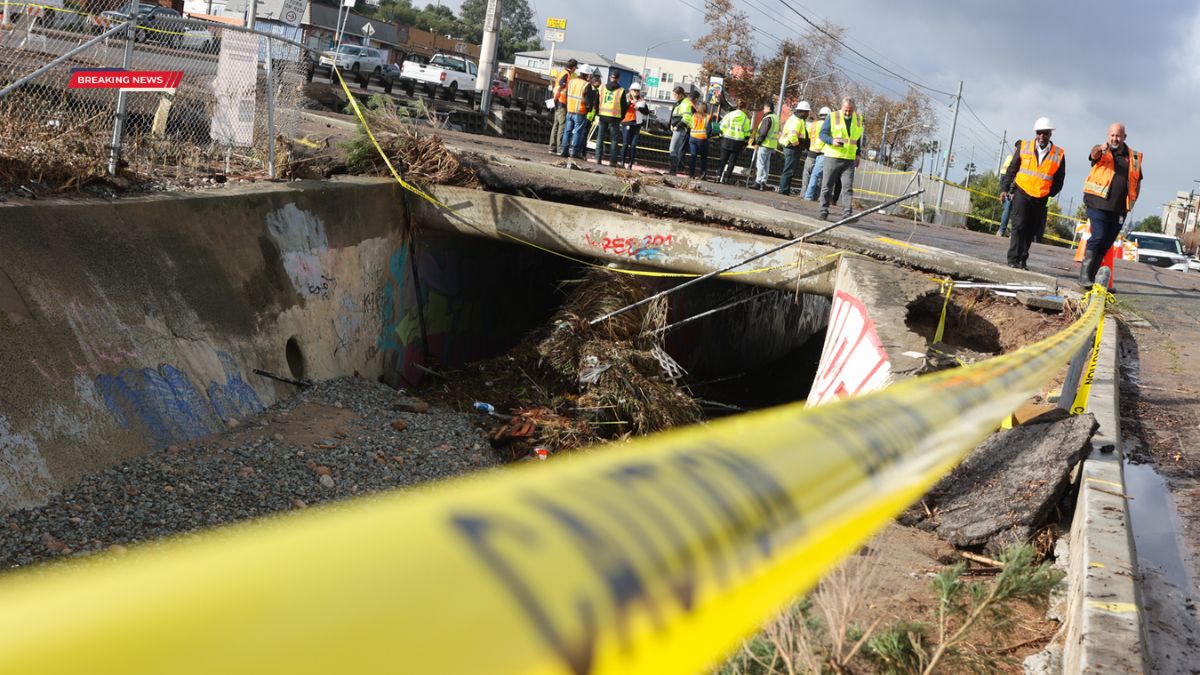
These included sinkholes near residential neighborhoods, storm drain collapses, landslide damage, and structural deterioration at public facilities. In such cases, city staff determined that delays associated with competitive bidding could pose risks to public safety or property.
Emergency contracting rules allow cities to fast-track work when conditions are considered urgent. However, the volume of projects labeled as emergencies in San Diego raises questions about long-term infrastructure planning and maintenance practices.
Projects
The records reviewed include a series of projects explicitly labeled as emergency repairs. These span multiple neighborhoods and infrastructure systems across the city.
Examples include storm drain failures on High Country Court in San Carlos, a large sinkhole near Syracuse Avenue in University City, emergency repairs at the Point Loma Wastewater Treatment Plant, and roadway damage on Quince Drive. Each project was authorized under expedited procedures and assigned to Cass Arrieta.
In many cases, city engineers reported that damage had escalated to a point where immediate intervention was required to prevent further structural failure or risk to nearby homes and public assets.
Mission Beach
One of the most visible projects involved the Mission Beach Lifeguard Station, which city officials described as structurally deteriorated and posing a potential safety risk. In July 2025, the city declared an emergency and awarded a sole-source contract estimated at $3.5 million to replace or stabilize the facility.
According to city documents, engineering evaluations had previously identified significant deterioration and recommended long-term planning for replacement. However, officials later concluded that the condition of the structure had reached a point where immediate action was necessary.
The project has since become a reference point in broader discussions about deferred maintenance and infrastructure replacement timelines within the city.
Pattern
Beyond individual projects, the records suggest a repeated sequence of infrastructure failure followed by emergency intervention. In multiple cases, city staff reported storm drain failures, ground instability, or structural degradation before issuing emergency contracts.
This pattern includes expanding sinkholes triggered by storm events, wastewater system damage following heavy rainfall, and slope failures impacting public facilities. Once conditions reached a critical threshold, the city authorized rapid-response construction work under emergency authority.
While each project appears to have been handled within established procedures, the frequency of emergency designations has prompted scrutiny of whether underlying infrastructure issues are being addressed early enough to avoid crisis-level repairs.
Oversight
City officials maintain that emergency contracting is a necessary tool for responding to urgent public safety risks. These procedures are designed to allow rapid mobilization when delays could worsen damage or endanger residents.
However, oversight questions remain regarding how often emergency declarations are being used and whether earlier intervention could reduce the need for expedited spending. Budget analysts have also noted that repeated emergency repairs may reflect broader maintenance challenges across aging infrastructure systems.
The reliance on a small number of contractors for large-scale emergency work further highlights the city’s dependence on firms capable of rapid deployment under urgent conditions.
Context
San Diego’s infrastructure system includes aging storm drains, roadways, and public facilities that require ongoing maintenance and periodic replacement. When these systems fail unexpectedly, emergency contracting becomes a legal mechanism to address immediate risks.
The question raised by the records is not whether emergency procedures are legitimate, but whether the conditions triggering them are becoming too frequent to be considered exceptional.
Outlook
Future infrastructure spending in San Diego is expected to continue balancing planned capital projects with unplanned emergency repairs. City officials are likely to face continued pressure to improve preventive maintenance planning while maintaining the ability to respond quickly to sudden failures.
As new budget cycles and capital improvement plans are developed, the city’s use of emergency contracting and its reliance on major construction vendors will likely remain a focus of public and administrative review.
The $82 million in payments to a single contractor reflects more than just large-scale infrastructure spending. It also highlights how often San Diego has relied on emergency authority to address infrastructure failures after they occur. While each project may be justified individually, the broader pattern raises ongoing questions about maintenance planning, system resilience, and the frequency of crisis-driven construction spending.
FAQs
How much did San Diego pay the contractor?
About $82.1 million between 2020 and 2026.
What company received the payments?
Cass Construction, Inc. doing business as Cass Arrieta.
Why were many contracts labeled as emergencies?

Because city officials said infrastructure failures required immediate repair.
What types of projects were included?
Storm drains, roads, wastewater facilities, and structural repairs.
What is the main concern raised by the data?
That emergency contracting may be used frequently due to recurring infrastructure failures.




Artist Says $100,000 Charlie Kirk Sculpture Has No Buyer After Months of Work