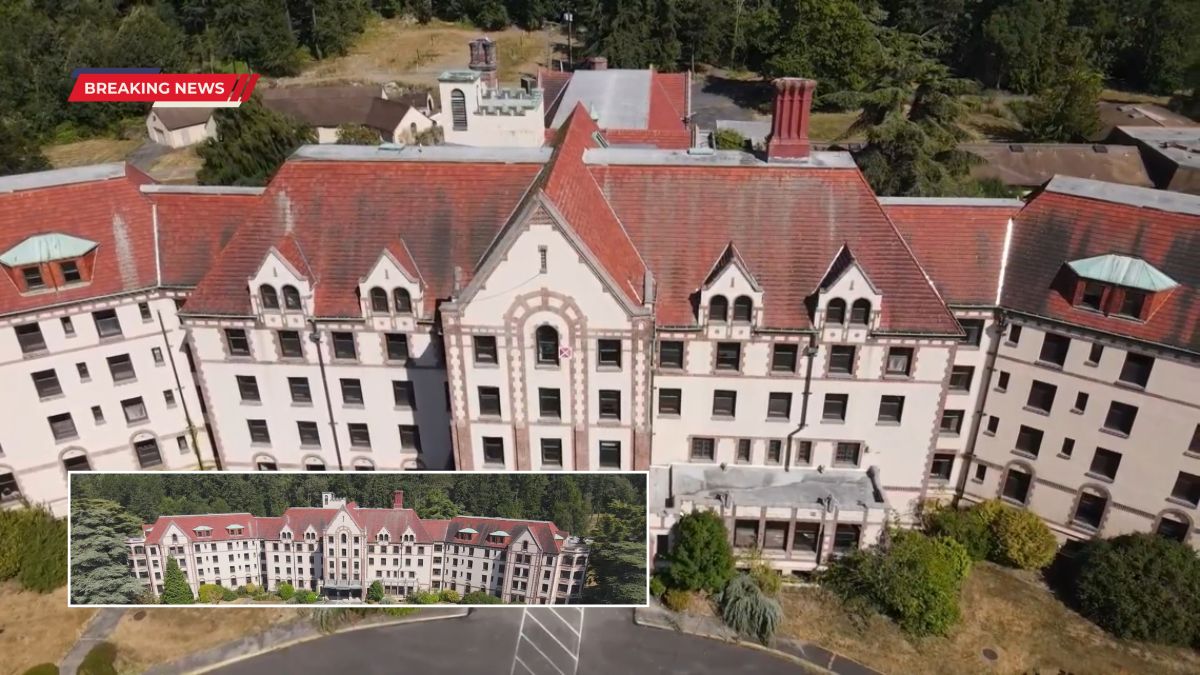
A long-standing landmark in Des Moines, Washington, is now facing possible demolition after city officials issued a permit for its removal, even as preservation advocates and descendants of its original architect continue efforts to save the structure.
The Masonic Home of Washington, a sprawling 30-acre complex that has stood for roughly a century, was designed by noted architect Frederick Heath. The building has been part of the region’s architectural and social history, and its future is now tied to an ongoing legal and community dispute.
Landmark
The Masonic Home of Washington has served as a prominent structure in Des Moines for decades, known for its scale and historic design. Frederick Heath, who designed several well-known buildings across Washington, including Tacoma’s Stadium High School and the Paradise Inn at Mount Rainier National Park, was the architect behind the facility.
For supporters of preservation, the building represents early 20th-century craftsmanship that is increasingly rare in modern construction. Its architectural style and long use as a community facility have contributed to its local recognition as a historic landmark.
Family
Opposition to demolition has been strongly led by members of Heath’s family, including his great-granddaughter, Carol Porter. She has described the building as personally significant and part of her family’s legacy.
Porter has argued that the structure holds both historical and emotional value, not only for her family but for the wider community that has used and visited the site over the years. She has expressed concern that future generations will lose access to a piece of architectural history if the building is torn down.
Public Response
Community reaction has grown following recent media coverage, with many residents sharing memories tied to the Masonic Home. Some former visitors have posted photos of weddings and events held at the site, reflecting its past use as a gathering space.
One resident, Kristina Schafer, shared wedding photos from a 2011 ceremony held at the venue and expressed disappointment at the possibility of demolition. Others echoed similar sentiments, emphasizing the building’s role in local celebrations and community history.
Preservation
Historic preservation advocates, including Washington State Historical Society executive director Nick Vann, have warned that losing the building would represent a significant cultural and architectural loss for the state.
Vann has noted that historic structures often carry value beyond their physical materials, including emotional, cultural, and community significance. He has also pointed to redevelopment strategies that have allowed similar buildings in Washington to be preserved through adaptive reuse.
One option raised by preservation supporters includes repurposing the building using federal historic tax credits, a mechanism that has been used in other restoration projects across the state.
Legal
A group called Citizens for the Protection of Des Moines Historical Resources is currently appealing the demolition permit. If the appeal is unsuccessful, members of the group have indicated they plan to continue pursuing legal avenues to delay or prevent demolition.
Porter has also stated that her family is exploring additional legal and nonprofit support to assist in preservation efforts. According to her, public response has been significant, with many community members expressing interest in contributing to efforts to save the structure.
Cityaction
The city of Des Moines approved demolition plans last year, issuing a conditional permit to Zenith Properties LLC. That approval is now at the center of the dispute as preservation advocates challenge the decision through formal appeals.
With litigation ongoing, city officials have declined to provide further comment on the case. A judge’s ruling on the appeal is expected soon, which could determine whether demolition proceeds or is delayed for further review.
Outlook
At this stage, the building remains standing but is legally cleared for demolition unless the appeal succeeds. The situation highlights a broader tension often seen in historic preservation cases, where redevelopment interests, legal approvals, and community heritage values intersect.
Supporters of preservation continue to argue that the Masonic Home could still be saved and repurposed, while developers and city approvals point to prior authorization for demolition.
As the legal process continues, the future of one of Des Moines’ most recognizable historic structures remains uncertain.
The Masonic Home of Washington now sits at the center of a dispute balancing historic preservation and approved redevelopment. With a demolition permit issued and an appeal underway, the final outcome depends on an upcoming court decision that could determine whether the century-old landmark is preserved or permanently lost.
FAQs
What is the Masonic Home of Washington?
A historic 30-acre building in Des Moines designed by Frederick Heath.
Why is it at risk of demolition?
A demolition permit has been issued as part of redevelopment plans.
Who is trying to save the building?

Family members, preservation groups, and local advocates.
Is there a legal challenge?
Yes, an appeal has been filed against the demolition permit.
When will a decision be made?
A judge is expected to rule on the appeal soon.