
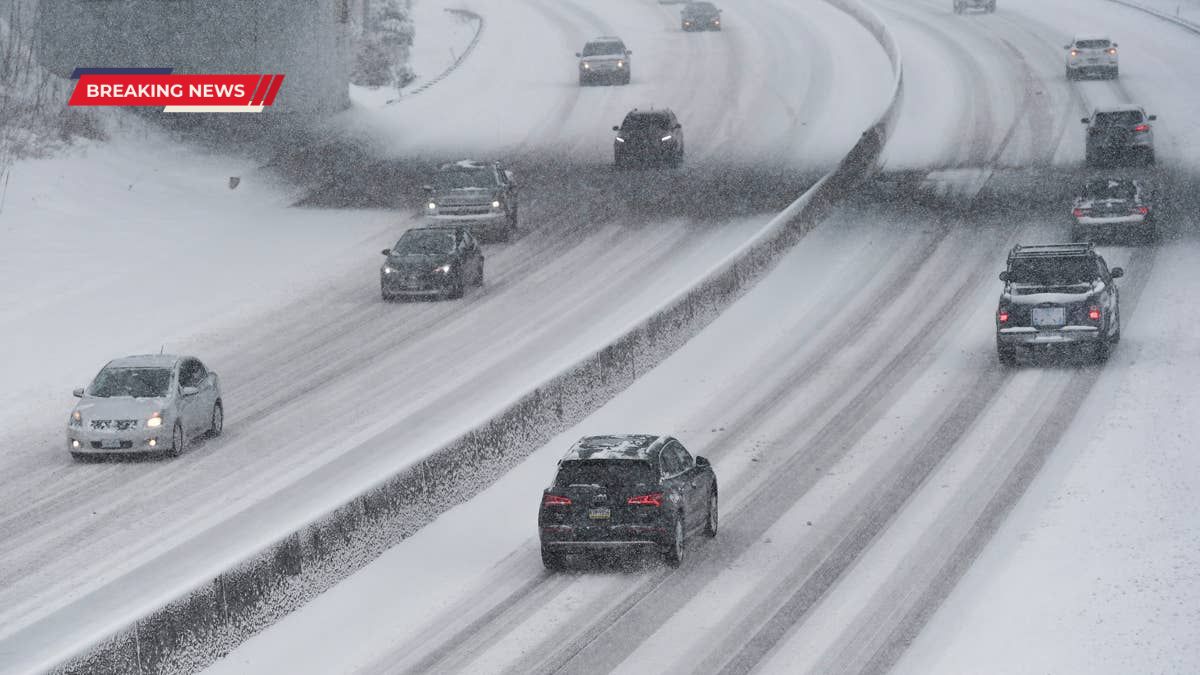
A late-season Pacific storm system is moving across the Western United States, bringing heavy mountain snowfall, strong winds, and difficult travel conditions through Monday, May 18, 2026. Forecasters say the system will affect several major transportation corridors, including I-5, I-15, I-70, I-80, and US 395, with the most significant impacts expected across Wyoming, California, Nevada, Colorado, and Utah.
The National Weather Service has issued Winter Storm Warnings and High Wind Warnings in multiple states as the storm strengthens. Higher elevations in Wyoming could receive up to 20 inches of snow, while wind-prone areas in California and Nevada may experience gusts reaching 70 mph.
Travel conditions are expected to worsen Sunday evening through Monday morning, especially across mountain passes and open desert highways where blowing snow and crosswinds may reduce visibility and create hazardous driving conditions.
The weather pattern behind the storm involves a deep upper-level trough moving inland across the West. At the same time, a strong ridge of high pressure over the eastern United States is increasing the pressure difference between the two systems. That setup is producing widespread gusty winds along the West Coast and heavy snowfall across higher elevations of the Rockies.
Forecasters at the Weather Prediction Center also noted that periods of mountain snow could continue across parts of Wyoming and Colorado into the middle of next week.
Alerts
Weather alerts remain active across several western states.
| State | Primary Concern |
|---|---|
| California | High winds and fire weather |
| Nevada | Damaging wind gusts |
| Wyoming | Heavy snow and blowing snow |
| Colorado | Mountain snow accumulation |
| Utah | Wind and snow impacts |
| Idaho | Snow in higher terrain |
| Montana | Mountain snowfall |
| Washington | Elevated pass impacts |
| Arizona | Strong desert winds |
The National Weather Service office in Riverton, Wyoming, issued five Winter Storm Warnings covering mountain areas and nearby travel corridors. Meanwhile, the Reno office posted a High Wind Warning for the Eastern Sierra and Owens Valley from Sunday morning into early Monday.
Snow
The heaviest snowfall is forecast for western and central Wyoming mountains.
| Area | Forecast Snowfall |
|---|---|
| Wind River Mountains East | 8-16 inches |
| Teton Range High Elevations | Up to 20 inches |
| Casper Mountain | 7-14 inches |
| Colorado High Country | Several inches possible |
Snowfall rates may increase Sunday night, particularly near South Pass and stretches of I-80 in southern Wyoming. Blowing snow and reduced visibility could affect travel during the Monday morning commute.
Additional snowfall may also develop across higher elevations in Colorado, including areas near Eisenhower Tunnel and Vail Pass on I-70.
Winds
Strong winds are expected to impact parts of California, Nevada, and southern Wyoming throughout the event.
| Location | Peak Wind Gusts |
|---|---|
| Owens Valley and US 395 | Up to 70 mph |
| I-5 at Tejon Pass | Around 60 mph |
| I-15 Mojave Desert | 55-65 mph |
| I-80 Southern Wyoming | Around 50 mph |
The strongest winds are expected along US 395 through the Owens Valley, where crosswinds could make travel difficult for high-profile vehicles. Similar conditions are possible along I-5 near the Grapevine and on I-15 between Southern California and Las Vegas.
The same pressure pattern contributing to strong winds is also increasing fire weather concerns across portions of California’s southern San Joaquin Valley.
Roads
Transportation agencies are monitoring several major travel corridors closely as conditions deteriorate.
I-80 Wyoming
The I-80 corridor between Wamsutter and Rawlins is one of the most vulnerable areas during Wyoming snowstorms. Combined snow and crosswinds can create low visibility and drifting snow, especially for commercial traffic.
Officials advise travelers to monitor road conditions through Wyoming’s 511 system or the WYDOT website before departure.
I-5 Grapevine
Tejon Pass is expected to see stronger winds than snowfall during this event. Gusts near 60 mph may affect vehicle stability, especially for trucks, RVs, and vehicles towing trailers.
US 395 Eastern Sierra
Travel along US 395 from Bishop northward toward the Nevada border may become hazardous at times due to strong wind gusts and blowing dust. The Owens Valley is frequently one of California’s highest wind zones during strong spring troughs.
I-70 Colorado
Forecast guidance indicates increasing snow potential across Colorado’s mountain corridors by Monday. Winter weather advisories or warnings may be issued if snowfall totals increase in upcoming forecasts.
Safety
State transportation agencies and weather officials recommend preparing for winter travel conditions before entering affected areas.
Tires
Tire condition remains important during late-season snow events.
| Tire Tread Depth | Snow Performance |
|---|---|
| 6/32 or higher | Improved winter traction |
| 4/32 | Minimum recommended |
| Below 4/32 | Reduced stopping ability |
Drivers using winter-rated tires marked with the Three Peak Mountain Snowflake symbol may experience better traction on snow-covered roads.
Tire Pressure
Cold temperatures can reduce tire pressure quickly. A drop of 10°F may lower tire pressure by roughly 1 PSI, affecting handling and braking performance.
Following Distance
Drivers should increase following distance significantly on snow or slush-covered roads. Transportation officials also advise avoiding cruise control during winter weather due to the increased risk of skidding.
High-Profile Vehicles
Large vehicles and trailers are particularly vulnerable to crosswinds during High Wind Warnings. Officials recommend delaying travel on exposed highways if possible until winds weaken.
Forecast
The storm is expected to intensify Saturday night across California and Nevada before shifting eastward into Wyoming and Colorado by Sunday night and Monday.
Conditions are forecast to improve gradually by Wednesday, May 20, as the system exits the region. Current forecasts suggest more stable weather may return ahead of the Memorial Day travel period.
Travelers planning to cross mountain passes or open desert highways are encouraged to check National Weather Service forecasts, state transportation websites, and live road condition updates before leaving.
While late-season snowstorms are not unusual in the higher elevations of the West, the combination of mountain snowfall and widespread high winds is expected to create periods of difficult travel across several major interstate corridors over the next two days.
FAQs
When will travel conditions worsen?
Sunday night through Monday morning.
Which area may receive 20 inches of snow?
Higher elevations of the Tetons.
Where are 70 mph winds expected?

US 395 and Owens Valley.
Will I-70 see snow impacts?
Yes, especially in mountain areas.
When will the storm leave the West?
Conditions improve by Wednesday.


















Ariana Grande Plans Break From Public Spotlight After Tour Amid Ongoing Scrutiny