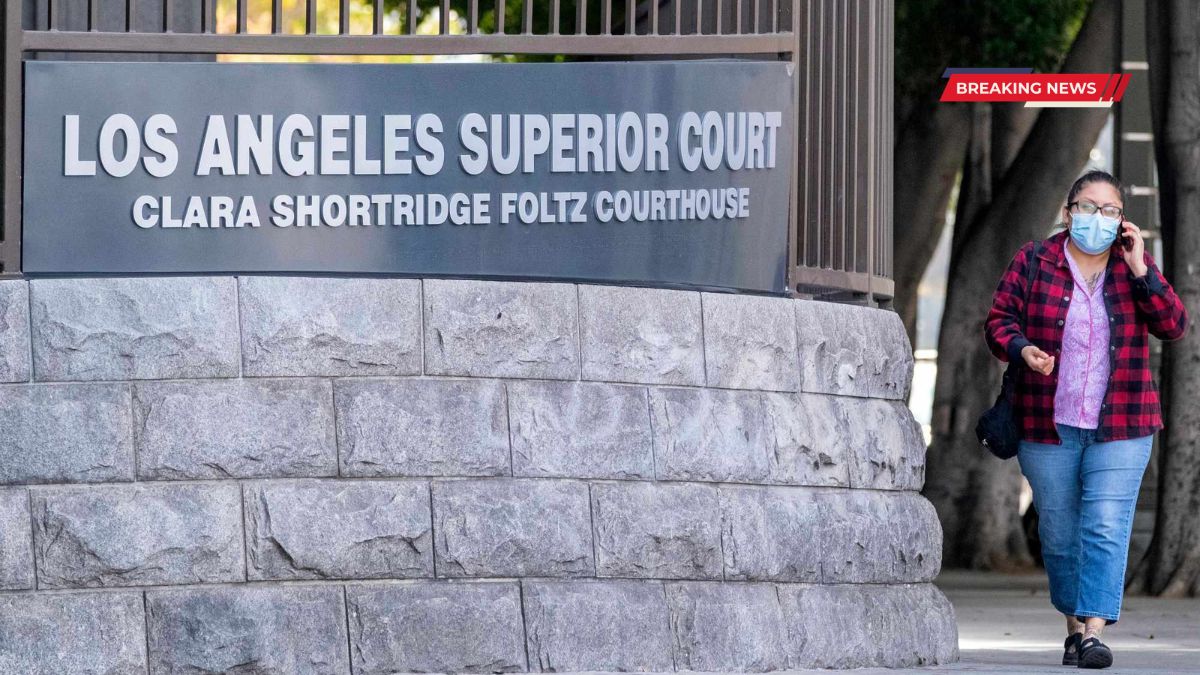
California justice officials are continuing efforts to process roughly 85,000 previously unreported criminal convictions and case outcomes from Los Angeles County, part of a much larger backlog that has raised concerns about the accuracy of criminal-history records statewide.
The issue traces back decades and involves arrest disposition reports that were never properly transmitted from the Los Angeles County Superior Court to the California Department of Justice. While the underlying court cases were resolved at the time, their final outcomes were not reflected in state databases due to limitations in an outdated court case management system.
Officials emphasize that the situation does not involve missing court files or newly uncovered crimes. Instead, it reflects delayed reporting of case results, including both convictions and dismissals, to the state agency responsible for maintaining criminal-history records.
Discovery
The reporting problem was uncovered during efforts by the Los Angeles County Superior Court to modernize its criminal case management system. While reviewing records from its legacy system, court officials identified large numbers of arrest disposition reports that had not been successfully transmitted to the Department of Justice.
Further review revealed that the older system lacked safeguards to flag failed transmissions. As a result, reporting errors went undetected for years. Court officials later determined the backlog extended back to the early 1980s and involved hundreds of thousands of cases.
Once identified, the issue prompted coordination between the court and the Department of Justice to locate, transmit, and process the missing records.
Why It Matters
Arrest disposition reports document how a criminal case was resolved, whether through conviction, dismissal, acquittal, or another outcome. When those reports are missing, an individual’s criminal-history record may be incomplete or misleading.
Inaccurate records can affect employment background checks, professional licensing decisions, sentencing in later cases, and eligibility for certain legal remedies. In some cases, individuals may discover convictions that were not previously reflected in state records. In others, dismissals that could benefit a person may also have been missing.
State officials say correcting the records is essential to maintaining accuracy and fairness throughout the justice system.
Scope
The scale of the backlog has made the correction process especially complex. Investigators determined that approximately 464,000 arrest disposition reports involving about 408,000 individuals were affected.
The backlog includes an estimated 380,000 convictions and approximately 84,000 dismissals, spanning roughly four decades. Both felony and misdemeanor cases are included.
While many records have already been transmitted and incorporated into state databases, tens of thousands remain under review. Each record must be verified and matched carefully to avoid introducing errors during processing.
Backlog Overview
| Category | Details |
|---|---|
| State Agency | California Department of Justice |
| Local Court | Los Angeles County Superior Court |
| Reports Identified | About 464,000 |
| Individuals Affected | About 408,000 |
| Convictions | Approximately 380,000 |
| Dismissals | Approximately 84,000 |
| Time Period | Early 1980s to 2023 |
| Cause | Legacy reporting system failures |
| Current Status | Records continue to be processed |
Corrective Steps
Since the issue was identified, Los Angeles County Superior Court officials have transmitted the missing records to the Department of Justice. The court has also implemented updated monitoring tools and manual review processes under its modernized case management system.
Court administrators say these safeguards are designed to detect reporting problems quickly and prevent similar backlogs in the future. According to officials, no comparable reporting failure has been identified since the transition to the newer system.
At the state level, Department of Justice staff continue reviewing and integrating the remaining records into criminal-history databases.
Broader Impact
The backlog has drawn attention to the role of technology in the justice system and the risks posed by aging data infrastructure. Experts note that accurate recordkeeping is critical not only for law enforcement and courts, but also for employers, licensing agencies, and individuals seeking clarity about their legal history.
As courts nationwide move to modernize their systems, California’s experience is being viewed as a cautionary example of how legacy technology can quietly undermine data integrity over time.
While significant progress has been made, state officials say work remains to ensure all affected records are properly updated. The ongoing processing of approximately 85,000 remaining cases represents the final phase of one of the largest criminal-record correction efforts ever undertaken in California.
FAQs
What is the reporting backlog?
It involves unreported criminal case outcomes from L.A. County.
How many cases are still being processed?
About 85,000 records remain under review.
When did the issue begin?

It dates back to the early 1980s.
Why were records not reported?
An older court system failed to flag transmission errors.
Who is fixing the problem?
The L.A. court and California DOJ are working together.