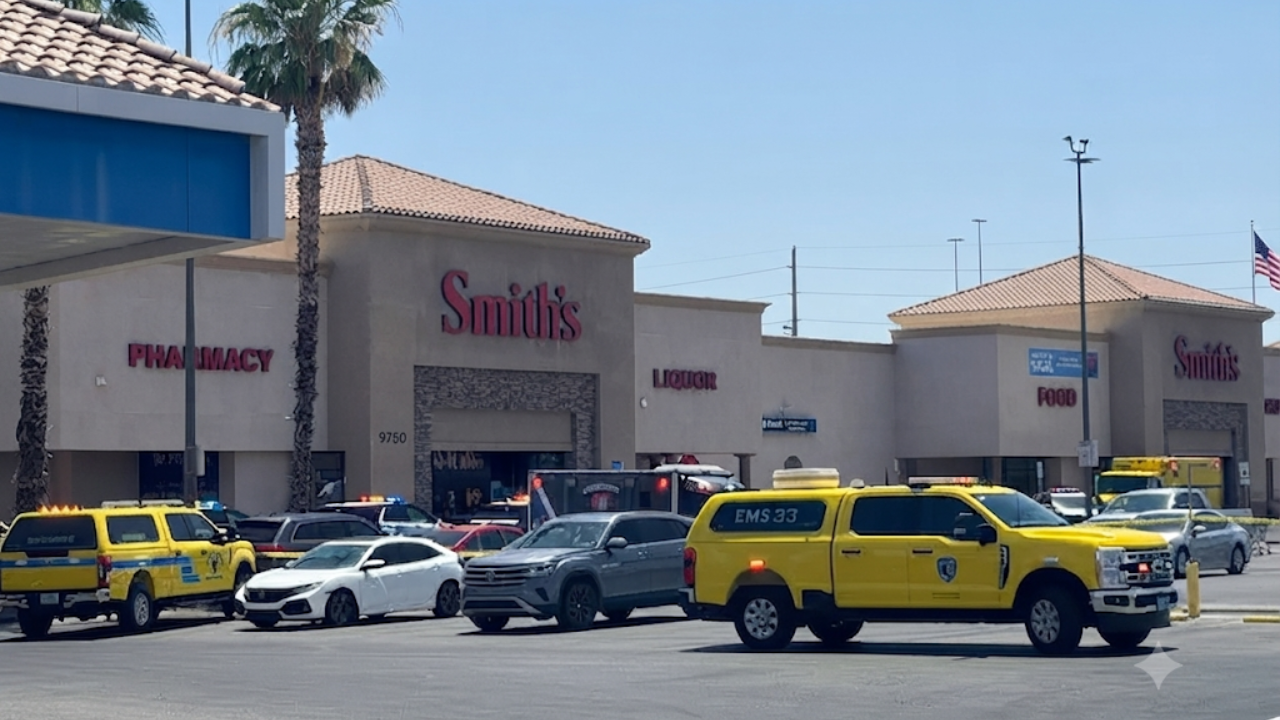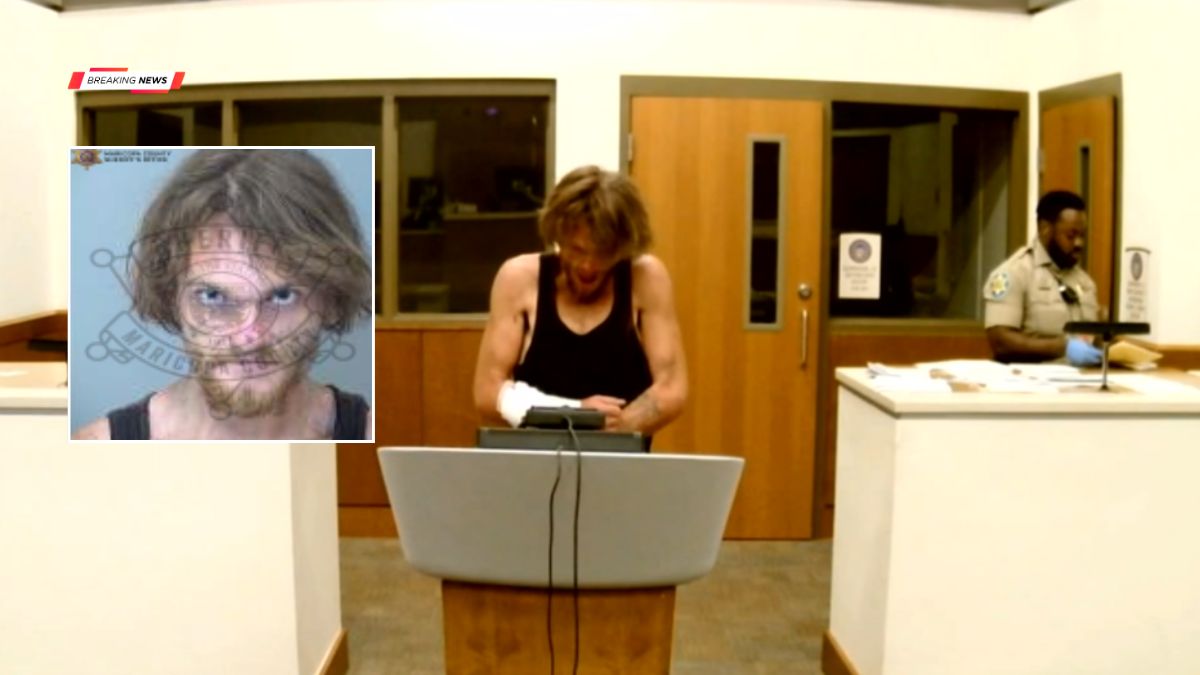
A Las Vegas man who was recently arrested in connection with the 2006 death of his wife has died before he could appear in court, according to officials. The case, which had remained unsolved for years before leading to an arrest, was moving through the legal system when authorities confirmed the suspect’s death.
The development brings a sudden halt to a long-running criminal proceeding that had revived attention on a nearly two-decade-old investigation. Officials confirmed the death through court communication, noting that the accused never reached the stage of formal trial proceedings.
The original case involved allegations that the man was responsible for the death of his wife in Las Vegas in 2006, a case that had remained cold for years before new investigative developments led to an arrest.
Background of the 2006 Death Investigation
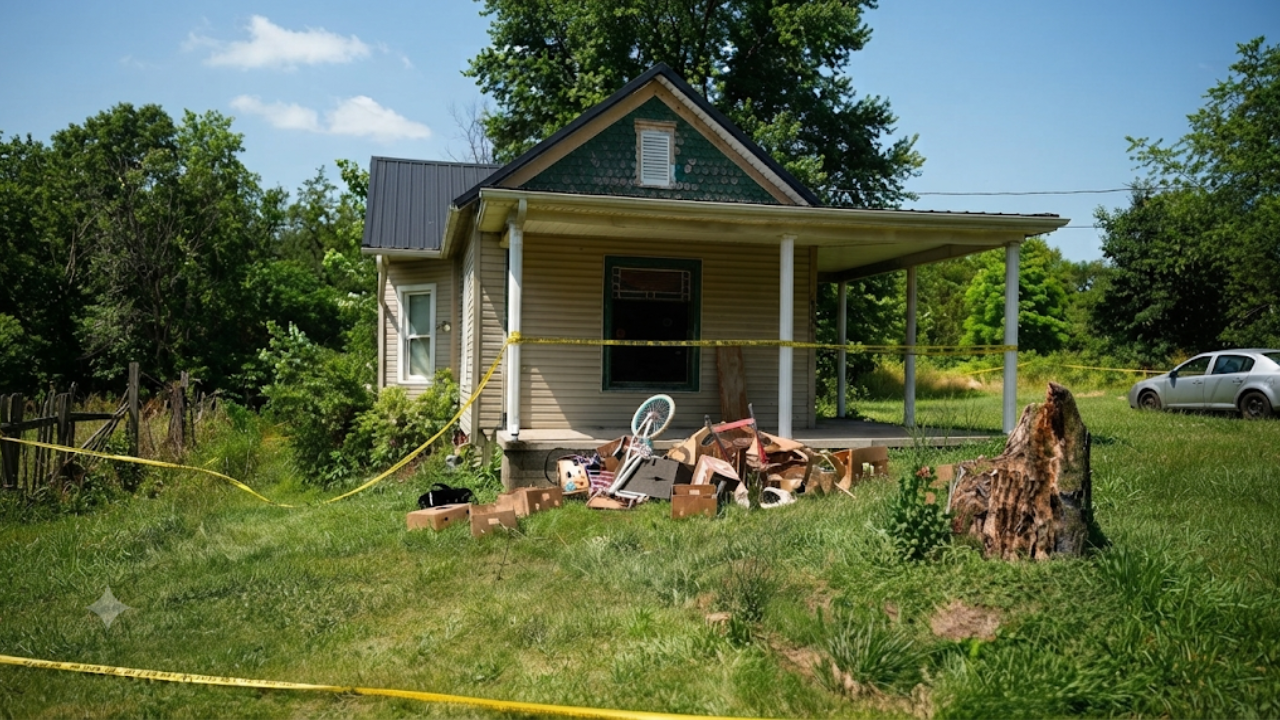
The case dates back to 2006 when the wife of the suspect was found dead under circumstances that initially led investigators to treat the incident as suspicious. At the time, law enforcement conducted an extensive inquiry, collecting forensic evidence and interviewing witnesses, but the case did not immediately result in an arrest.
For years, the investigation remained open as a cold case. Detectives periodically revisited evidence using improved forensic techniques and new investigative methods that were not available at the time of the original incident.
Authorities eventually identified enough new information to reopen the case, leading to the arrest of the husband many years after the death occurred. The arrest marked a major development in a case that had long remained unresolved in the Las Vegas area.
Arrest and Revival of Cold Case Proceedings
The arrest of the suspect represented a breakthrough in a long-dormant investigation. Law enforcement officials credited renewed investigative efforts and modern forensic review for helping move the case forward.
Once arrested, the man was formally charged in connection with the 2006 death of his wife and was scheduled to appear in court for initial proceedings. Prosecutors intended to present evidence gathered over the years, including both original findings and newly developed case material.
The arrest drew public attention due to the significant time gap between the alleged crime and the filing of charges, highlighting how cold cases can evolve as new investigative tools become available.
Court Process Interrupted by Suspect’s Death
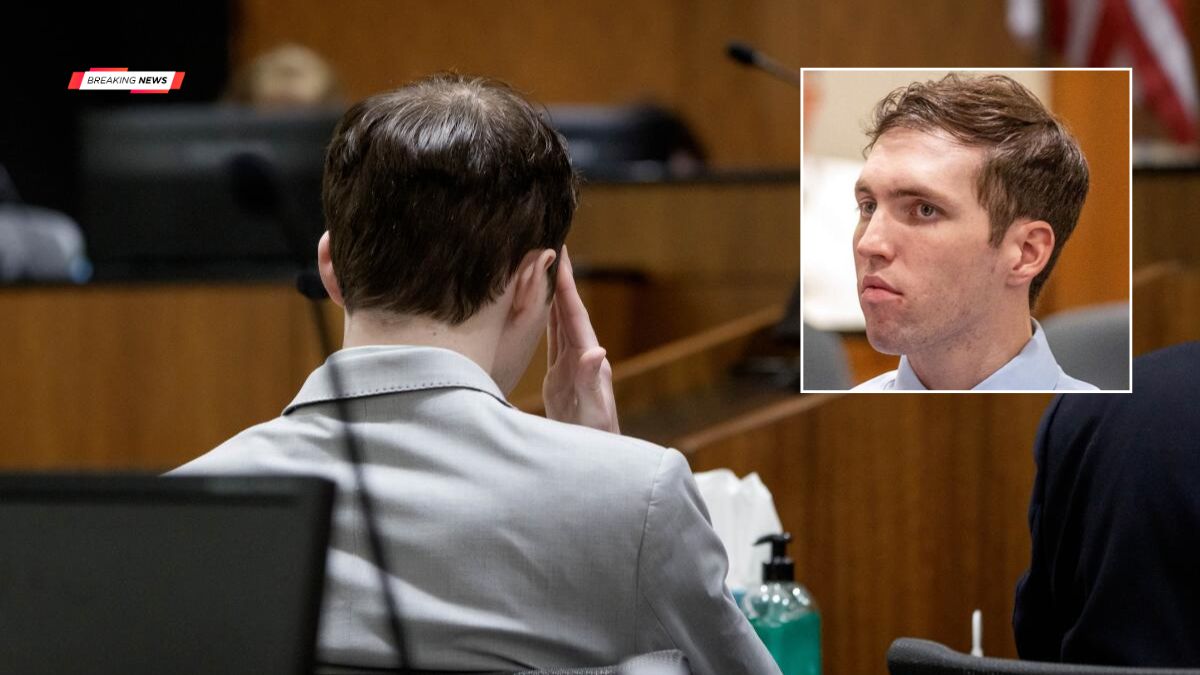
Before the legal process could proceed, officials confirmed that the accused man died ahead of his scheduled court appearance. The judge assigned to the case publicly acknowledged the death, effectively halting all ongoing criminal proceedings.
In criminal justice systems, a defendant’s death typically results in the dismissal of charges, as the court cannot continue prosecution against a deceased individual. As a result, the case will no longer proceed to trial or sentencing.
Authorities did not immediately release detailed information regarding the cause or circumstances of the man’s death, and no further court action is expected in the criminal case.
Impact on the 2006 Case and Legal Closure
With the death of the suspect, the legal case involving the 2006 death of his wife effectively reaches a procedural end. While law enforcement investigations often remain documented, criminal prosecution cannot continue without a living defendant.
This outcome is not uncommon in long-running cold cases that are resolved many years after the initial incident. Prosecutors may still review and preserve evidence, but formal court proceedings are typically closed once a defendant dies.
The victim’s family, however, may still seek closure through the acknowledgment of investigative findings, even if the court process cannot reach a verdict.
Cold Case Investigations and Delayed Justice
This case highlights the broader role of cold case investigations in reopening unresolved deaths. Across the United States, law enforcement agencies have increasingly used advanced DNA testing, digital records analysis, and improved forensic methods to revisit old cases.
In many instances, suspects are identified decades after the original crime, sometimes shortly before trial proceedings begin. However, delays in prosecution can also lead to situations where legal resolution is never fully reached due to circumstances such as death or lack of evidence at trial.
The Las Vegas case reflects both the progress and limitations of long-term criminal investigations.
Case Summary
| Category | Details |
|---|---|
| Location | Las Vegas, Nevada, United States |
| Case Type | 2006 suspected homicide (wife’s death) |
| Suspect Status | Arrested, later deceased before court appearance |
| Investigation Type | Cold case reopened after many years |
| Legal Stage | Pre-trial (not reached trial) |
| Outcome | Criminal case halted due to suspect’s death |
| Law Enforcement Role | Reopened investigation using updated forensic review |
| Court Action | Charges expected to be dismissed |
The death of the Las Vegas man accused in his wife’s 2006 killing brings an unexpected end to a long-running cold case prosecution. After years of investigation and a recent arrest that revived the case, the legal process was halted before it could reach trial.
While the criminal proceedings will not continue, the case remains a significant example of how cold case investigations can resurface decades later through new evidence and modern forensic techniques. Authorities will continue to preserve the investigative record, even as formal court action concludes.
Frequently Asked Questions:
Where did the case originate?
The case originated in Las Vegas, Nevada, in 2006.
What was the suspect charged with?
He was charged in connection with the death of his wife in 2006.
Did the case go to trial?
No, the suspect died before his court appearance.
What happens when a defendant dies?
Criminal charges are typically dismissed because prosecution cannot continue.
Was this a cold case?
Yes, it was a cold case reopened many years after the original investigation.