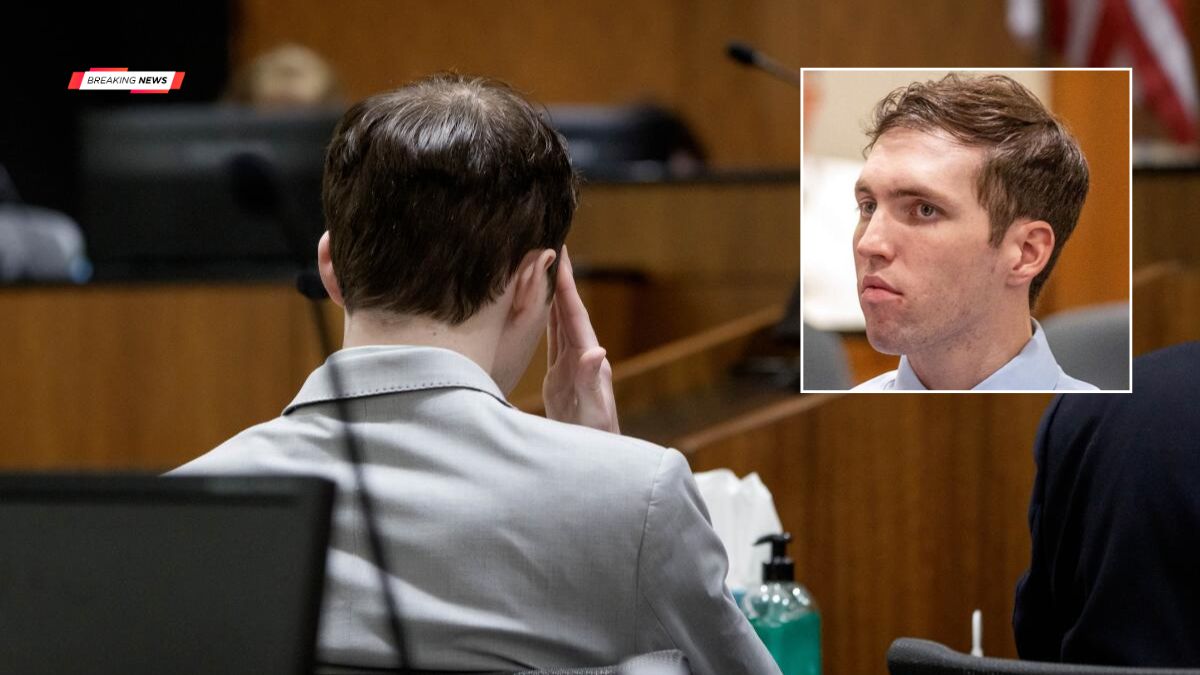
A former Olympic canoeist has been indicted by a grand jury in Washington, DC, on a felony charge related to alleged damage at the Lincoln Memorial Reflecting Pool, a case that has drawn attention amid broader debates over the recent renovation of the landmark.
Indictment Details
David Hearn was indicted Thursday in DC Superior Court on one count of destruction of property valued at more than $1,000. According to the indictment, the grand jury found that Hearn “maliciously did injure, break and destroy” the lining material of the Reflecting Pool.
The charge is a felony and carries a maximum possible sentence of up to 10 years in prison if Hearn is convicted.
Alleged Incident
Prosecutors allege that Hearn caused damage to the bottom lining of the Reflecting Pool, which sits directly in front of the Lincoln Memorial. During a news conference, US Attorney for the District of Columbia Jeanine Pirro said Hearn “violently” tore up about two square feet of material from the pool and was belligerent toward federal officers guarding the site.
Pirro said the decision to pursue a felony charge was based on evidence collected by investigators.
“This is a case with tremendous evidence and the evidence dictates where we land,” she said.
She added that witnesses who were present at the scene observed damage to what she described as a national monument.
Defense Response
Hearn’s attorney, Norm Eisen, sharply criticized the indictment and said his client is innocent.
“These charges are outrageous and should be alarming to every American,” Eisen said in a statement. He argued the case reflects an effort by the administration to shift blame for problems stemming from the pool’s renovation.
Hearn has previously told CNN that he did not vandalize the pool. He said he was arrested after touching a flap of blue material that was partially detached from the bottom of the pool and floating upward. He described his actions as curiosity rather than intentional damage.
Renovation Context
The Reflecting Pool reopened last month following a multimillion-dollar renovation ordered by President Donald Trump, timed ahead of Independence Day celebrations. Soon after reopening, visitors and media outlets observed issues including algae growth and peeling paint or sealant along the bottom.
CNN reported seeing blue material partially detached from the pool’s lining in at least one area.
Trump has publicly described the damage as vandalism and warned that those responsible could face severe penalties. He has also claimed that a long gash was carved into the pool with a sharp instrument, though federal officials have not released evidence supporting those claims. The president’s descriptions of the extent of the damage have varied.
Broader Investigation
Pirro said Thursday that Hearn is not the only person under scrutiny.
“We have about a half a dozen other cases,” she said, adding that some may result in misdemeanor charges or lesser violations.
The case against Hearn marks the most serious charge announced so far in connection with alleged damage to the Reflecting Pool.
What Comes Next
Hearn will now face court proceedings in DC Superior Court, where prosecutors must prove that the alleged damage was intentional and exceeded the legal threshold for felony destruction of property.
No trial date has yet been announced, and Hearn has not entered a plea.
Case Overview
| Detail | Information |
|---|---|
| Defendant | David Hearn |
| Charge | Destruction of property over $1,000 |
| Location | Lincoln Memorial Reflecting Pool |
| Potential penalty | Up to 10 years in prison |
| Prosecutor | US Attorney’s Office for DC |
| Status | Indicted by grand jury |
As the case moves forward, it is likely to remain closely watched, both for its legal outcome and for what it reveals about accountability surrounding high-profile federal renovation projects.
FAQs
Who is David Hearn?
A former Olympic canoeist charged in the Reflecting Pool case.
What is he accused of doing?
Damaging the lining of the Lincoln Memorial Reflecting Pool.
What charge is he facing?

Felony destruction of property over $1,000.
What is the possible penalty?
Up to 10 years in prison if convicted.
Is this the only case being investigated?
No, several other cases are under review.