Calls for better use of emergency and city services in Denver have increased as officials and outreach advocates encourage residents to route certain nonviolent situations involving people experiencing homelessness through 311 or 988 instead of defaulting to 911. The goal, according to public health and city service frameworks, is to match the type of response with the nature of the situation, especially when behavioral health needs are involved.
Context
Denver, like many large cities, continues to face overlapping challenges related to homelessness, mental health conditions, and substance use disorders. These issues often appear in public spaces, where residents may encounter individuals who are visibly distressed but not necessarily posing an immediate threat.
In these situations, emergency response decisions can shape outcomes significantly. City officials and crisis-response providers emphasize that not every distress call requires law enforcement intervention, particularly when there is no evidence of violence or imminent danger.
Emergency Numbers
Denver provides multiple entry points for public assistance, each designed for different types of situations.
| Service | Purpose | Response Type |
|---|---|---|
| 911 | Immediate emergencies | Police, fire, EMS |
| 311 | City services and non-emergency concerns | Outreach teams, city coordination |
| 988 | Mental health and crisis support | Behavioral health professionals |
These systems are designed to distribute demand across specialized responders. While 911 remains the primary emergency line, 311 and 988 serve as alternatives for nonviolent or behavioral health-related situations.
Roles
Each system plays a distinct role in how Denver responds to public incidents.
911 is intended for emergencies involving immediate threats, such as violence, serious injury, fires, or situations where someone is in immediate physical danger.
311 connects residents to city services. In some cases, this may include street outreach teams or coordination with social service providers who engage with individuals experiencing homelessness.
988 is part of the national Suicide and Crisis Lifeline network. It connects callers with trained mental health professionals who can assist with emotional distress, suicidal ideation, or acute psychological crises.
Street-Level Situations
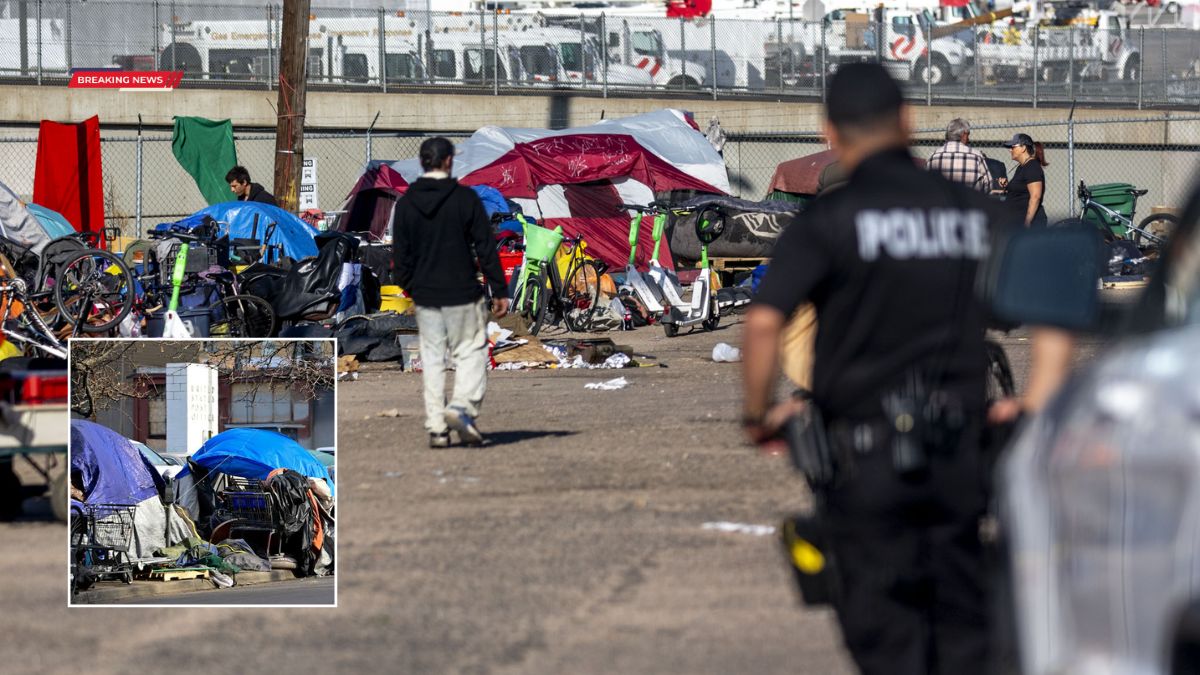
Residents may encounter individuals experiencing homelessness who appear disoriented, emotionally overwhelmed, or in distress in public spaces. These situations can include behaviors such as pacing, crying, or speaking loudly, which may be signs of mental health challenges or substance-related effects.
In such cases, crisis-response experts often recommend considering whether the situation involves immediate danger or whether it is primarily behavioral or emotional distress. This distinction helps determine whether 911, 311, or 988 is most appropriate.
Public Safety Approach
Denver’s approach to homelessness increasingly incorporates behavioral health response models. These models aim to reduce unnecessary criminal justice involvement in situations that may be better addressed through medical or social services.
Outreach teams and co-responder programs, which pair behavioral health professionals with city staff or police, are part of this structure. They are designed to de-escalate situations, connect individuals with services, and reduce repeat emergency encounters.
Officials and service providers note that overuse of emergency law enforcement resources for nonviolent crises can strain response systems and may not always produce the most effective long-term outcomes for individuals in distress.
When to Call 911
Despite the availability of alternative services, 911 remains essential in certain situations. Residents are encouraged to use 911 when there is:
- Immediate physical danger or violence
- Presence of weapons or threats
- A medical emergency requiring urgent intervention
- An unconscious or severely injured person
- A situation that is rapidly escalating and unsafe
In these cases, law enforcement, fire, or emergency medical responders are the appropriate first point of contact.
When to Use 311 or 988
311 is generally recommended for non-emergency situations involving homelessness, such as welfare checks, requests for outreach, or reporting ongoing but non-violent concerns in public spaces.
988 is recommended when a person appears to be in emotional or mental health crisis, including signs of severe anxiety, suicidal ideation, or psychological distress. Callers are connected to trained counselors who can provide immediate support and help coordinate next steps if needed.
System Coordination
The effectiveness of these systems depends largely on correct usage. Public safety officials emphasize that separating emergency response pathways allows for more appropriate care and reduces unnecessary strain on police and hospital systems.
At the same time, coordination between 911, 311, and 988 continues to evolve. In some cases, dispatch systems can transfer calls between services depending on the nature of the situation as it becomes clearer.
Broader Considerations
Homelessness in Denver is influenced by multiple factors, including housing affordability, addiction, mental health access, and economic instability. Because of this complexity, response strategies often involve both immediate intervention and long-term support systems.
Advocates and public agencies generally agree that no single system can address all aspects of the issue. Instead, the focus has shifted toward integrated response models that connect emergency services with health and housing resources.
The central challenge remains ensuring that residents know which number to call in different scenarios, and that individuals in crisis receive the most appropriate form of assistance.
The ongoing emphasis on 311 and 988 reflects an effort to align public response tools with the type of need presented, particularly in cases involving behavioral health rather than criminal activity.
Denver’s guidance on emergency and crisis lines reflects an effort to improve how the city responds to homelessness-related distress in public spaces. By distinguishing between emergency threats, city service needs, and mental health crises, officials aim to ensure that individuals receive appropriate support while emergency systems remain available for true life-threatening situations.
FAQs
When should I call 911 instead of 311?
Call 911 for immediate danger, violence, or medical emergencies.
What is 311 used for in Denver?
311 connects residents to city services and non-emergency outreach.
What is 988 for?

988 provides mental health crisis support from trained counselors.
Can 311 help homeless individuals?
Yes, it can connect outreach teams and support services.
Does calling 988 send police automatically?
No, it connects callers to mental health professionals first.