
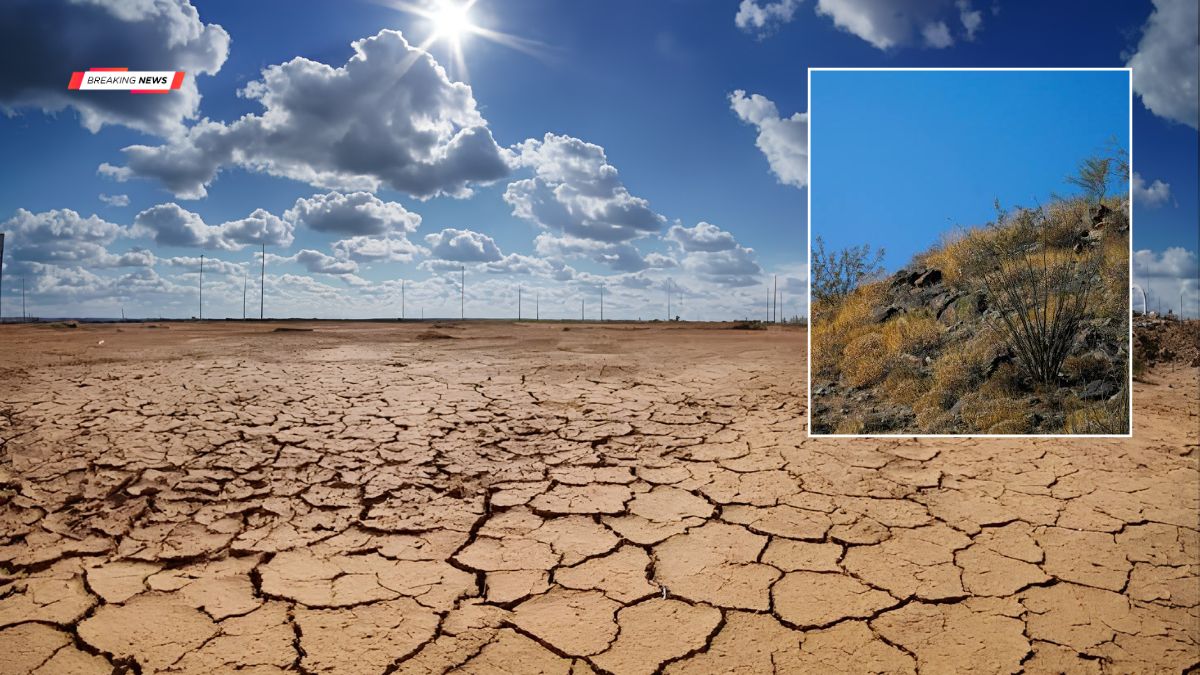
Arizona’s daytime heat often receives the most attention, but health experts say unusually warm nights can be just as concerning. With overnight temperatures expected to remain in the 90s, roughly 10 degrees above the seasonal average, the body has less opportunity to recover from the day’s extreme heat.
Medical professionals warn that the lack of overnight cooling can increase the risk of dehydration, heat exhaustion, and ongoing physical stress. They also say pets face many of the same dangers during prolonged periods of high nighttime temperatures.
Recovery
Normally, cooler nighttime temperatures allow the body to recover after a hot day. However, when overnight lows remain unusually high, that recovery process becomes more difficult.
Samia Kadri, a family nurse practitioner with Banner Urgent Care, said the body continues working to regulate its temperature instead of fully resting.
“We rehydrate basically because we’re not out sweating. But during those heated nights that we’ve been having, we’re not able to fully recover. So we begin the day and our body’s under stress,” Kadri said.
She explained that the effects can build over several days as the body experiences repeated heat exposure without sufficient overnight relief.
Health
Experts say elevated nighttime temperatures can keep both heart rate and body temperature higher than normal during sleep.
This may lead to increased sweating overnight, making dehydration more likely before the next day even begins.
“So the potential to dehydrate is worse because you really don’t get to rest and relax and kind of heal, which is what we normally do during our deep sleep,” Kadri said.
The lack of quality sleep and recovery may also increase the likelihood of heat-related illnesses, particularly during extended heat waves.
Pets
Veterinarians say animals also struggle when temperatures remain high overnight.
Dr. Mindy Bemmerl, Director of Veterinary Medicine at the Arizona Humane Society, said pets need cooler temperatures just as people do.
“Their bodies just never have that chance to decompress and kind of get some of that stress off of there because they’re still continuing to struggle with the heat,” Bemmerl said.
In severe cases, prolonged heat exposure can become life-threatening.
“It can get to a point where their temperature, their body temperature is so high that they’re starting to have seizures,” she said.
Signs
Pet owners are encouraged to watch for symptoms of heat-related illness.
According to Bemmerl, excessive panting and drooling can indicate that an animal is overheating. If a pet shows signs of heat illness, owners should avoid cooling the animal too rapidly.
“Especially really high temperatures can lead to shock for the body if we cool too quickly. So we do try to cool them down slowly,” Bemmerl said.
| Heat Safety Tips | Recommendation |
|---|---|
| Stay Hydrated | Drink water and electrolyte-rich fluids |
| Cool Your Room | Use air conditioning and fans overnight |
| Limit Activity | Avoid strenuous outdoor activity during peak heat |
| Protect Pets | Provide water and limit outdoor time |
| Check Pavement | If it’s too hot for your hand, it’s too hot for pets’ paws |
Prevention
Health experts recommend several steps to reduce the effects of prolonged heat.
Running air conditioning and fans during the night can help improve sleep quality and lower indoor temperatures. Staying hydrated throughout the day with water and electrolyte-containing drinks can also help replace fluids lost through sweating.
For pets, experts recommend limiting walks during the hottest parts of the day, ensuring constant access to fresh water, and using protective paw booties when necessary.
Bemmerl advises owners to test pavement temperatures before taking dogs outside.
“If it’s too hot for your hand, it’s too hot for their feet,” she said.
Outlook
With Arizona expected to continue experiencing extreme heat, experts say nighttime temperatures deserve as much attention as daytime highs. While hot afternoons increase immediate heat exposure, unusually warm nights reduce the body’s ability to recover before the next day begins. Taking steps to stay cool overnight, remain hydrated, and protect pets can help reduce health risks during prolonged periods of extreme heat.
FAQs
Why are hot nights dangerous?
They reduce the body’s ability to recover from daytime heat.
How do warm nights affect hydration?
They increase overnight sweating and dehydration risk.
Can pets suffer from hot nights too?

Yes. Pets can also experience heat stress and illness.
What are signs of heat illness in pets?
Excessive panting, drooling, and extreme lethargy.
How can people stay safer during heat waves?
Stay hydrated, cool your home, and avoid strenuous activity.