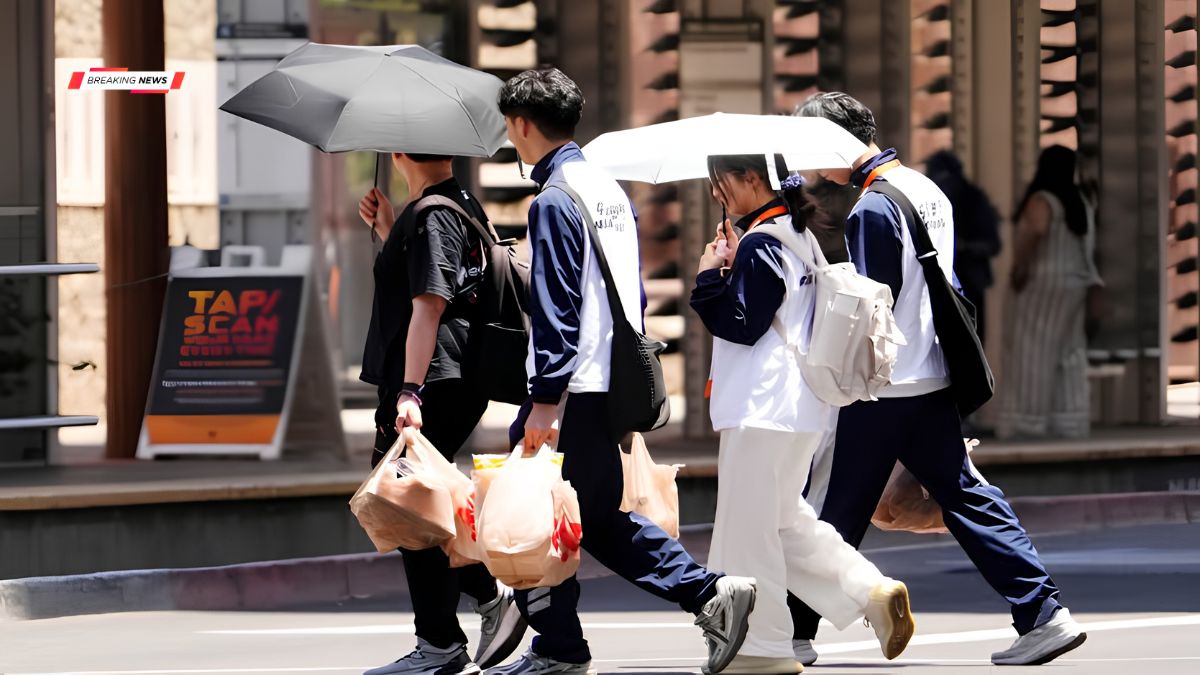
Arizona is beginning to see encouraging results in its efforts to reduce the impact of extreme heat. As temperatures in the Phoenix metropolitan area regularly climb above 115 degrees, officials have reported the first decline in heat-related deaths after several years of increases.
While the improvement is encouraging, experts say dangerous heat remains a major public health concern, particularly for vulnerable communities, people experiencing homelessness, and residents without reliable access to cooling.
Progress
Phoenix has taken several steps to address the growing risks associated with prolonged periods of extreme heat. The city established a dedicated Office of Heat Response and Mitigation to coordinate strategies aimed at reducing heat-related illnesses and deaths.
According to Mayor Kate Gallego, recent efforts have produced measurable results. Officials reported a reduction in the number of severe heat stroke cases requiring emergency cold water immersion treatment. This trend suggests that prevention programs, public awareness campaigns, and expanded access to cooling resources are helping more residents avoid life-threatening emergencies.
Even with the decline in deaths, city leaders continue to describe extreme heat as a serious public health issue that requires ongoing attention.
Measures
Phoenix has introduced several initiatives designed to help residents stay safe during periods of extreme heat.
| Initiative | Purpose |
|---|---|
| Cooling centers | Provide safe indoor spaces during extreme heat |
| Hydration stations | Offer free drinking water across the city |
| Heat response office | Coordinate citywide heat mitigation efforts |
| Public awareness campaigns | Educate residents on heat safety |
| Emergency medical response | Improve treatment for heat-related illnesses |
Together, these programs have contributed to the recent improvement in heat-related health outcomes.
Challenge
Despite recent progress, Phoenix continues to face the effects of the urban “heat island effect.” Roads, sidewalks, buildings, and parking lots made of concrete and asphalt absorb heat throughout the day and gradually release it overnight.
As a result, nighttime temperatures can remain close to 100 degrees, limiting the opportunity for residents to cool down after sunset. Prolonged exposure to high temperatures increases the risk of dehydration, heat exhaustion, and heat stroke.
Climate researchers note that urban heat islands can make cities significantly warmer than nearby rural areas, increasing health risks during extended periods of hot weather.
Education
Rising temperatures are no longer affecting only southern Arizona. Northern parts of the state are also experiencing warmer summers than in previous decades.
Representative Nancy Gutierrez said many schools in northern Arizona were originally built without air conditioning because cooler weather made it unnecessary in the past. Today, teachers are reporting that classrooms are becoming increasingly uncomfortable during hot weather.
Educators have observed several challenges linked to rising temperatures, including:
- Higher student absenteeism
- Reduced concentration in classrooms
- More behavioral conflicts among students
- Less comfortable learning environments
These reports highlight the growing need to improve school facilities as temperatures continue to rise.
Housing
Arizona lawmakers also say the state’s housing challenges are closely connected to the effects of extreme heat.
Senator Lauren Kuby said every resident should have access to housing that remains safe during periods of dangerous temperatures. Many low-income families face difficulties finding affordable homes or apartments equipped with effective cooling systems.
Without reliable air conditioning, indoor temperatures can reach levels that present serious health risks during prolonged heat waves.
Housing experts increasingly view access to adequate cooling as an important public health consideration alongside housing affordability.
Health
According to the World Health Organization (WHO), heat stress remains one of the leading causes of weather-related deaths worldwide.
Extreme heat can worsen a range of existing health conditions.
| Health Condition | Possible Impact |
|---|---|
| Cardiovascular disease | Increased strain on the heart |
| Diabetes | Greater risk of dehydration |
| Asthma | Poor air quality may worsen symptoms |
| Mental health disorders | Higher risk of heat-related complications |
Older adults, children, outdoor workers, and people without stable housing continue to face the greatest health risks during extreme heat events.
Outlook
Arizona’s recent decline in heat-related deaths suggests that coordinated public health strategies can make a meaningful difference. Investments in cooling centers, emergency response systems, public education, and community outreach appear to be helping reduce the number of severe heat-related incidents.
At the same time, officials caution that rising temperatures linked to climate trends mean continued action will be necessary. Expanding access to safe housing, improving school infrastructure, and strengthening heat preparedness programs are expected to remain important priorities as Arizona works to protect residents from future heat events.
FAQs
Why are heat deaths declining in Arizona?
Improved heat response and public safety measures.
What is the heat island effect?
Cities stay hotter due to concrete and asphalt.
Who is most at risk from extreme heat?

Older adults, children, and vulnerable people.
How does heat affect schools?
It increases absences and reduces concentration.
Why is safe housing important during heat waves?
It protects residents from dangerous indoor heat.