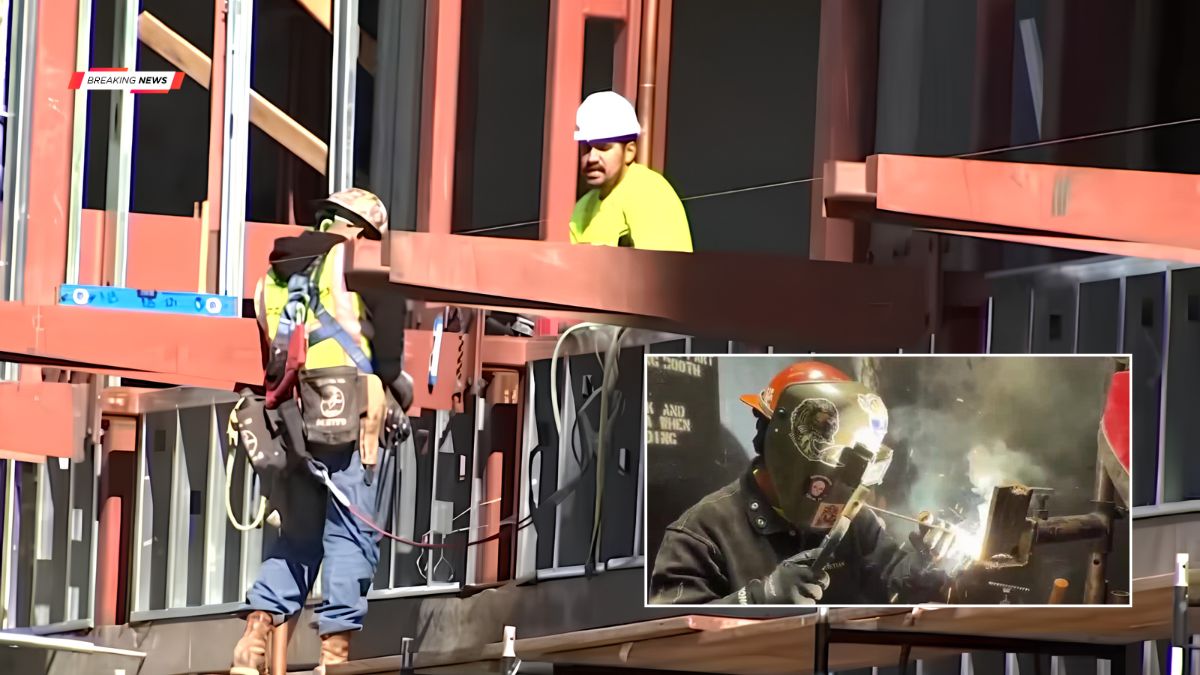
Arizona has introduced its first statewide heat safety regulations for outdoor workers, creating new requirements for employers to provide water, shade, and rest areas at job sites across the state.
The rules come as workers in construction and other outdoor industries continue to face extreme summer temperatures. With many parts of Arizona regularly experiencing triple-digit heat, labor groups have pushed for stronger protections to reduce the risk of heat-related illness.
The new regulations are designed to establish consistent safety standards and give workers greater protection while working in some of the hottest conditions in the country.
Workers
Outdoor workers in Arizona often perform physically demanding jobs in environments where temperatures can become dangerous within a short period.
Aaron McDonald, apprenticeship coordinator for Ironworkers Local 75 in Phoenix, said some construction workers experience temperatures much higher than official weather readings because of heat from equipment, buildings, and reflective surfaces.
Workers on structures such as metal rooftops may face additional heat exposure from the materials around them. McDonald explained that elevated work areas can create conditions where the combination of sunlight and structural heat makes the environment especially challenging.
He said that over more than two decades working in Arizona construction, he has seen situations where job sites did not always provide enough basic heat protections.
According to McDonald, some workers previously arrived at sites where water supplies were not always available, increasing concerns about safety during extreme weather.
Challenges
Heat exposure is a regular concern for people working outdoors in Arizona. Construction workers, utility employees, landscapers, agricultural workers, and others often spend long hours outside during periods of intense heat.
Tristen David, an apprentice ironworker, described how quickly temperatures can rise once the workday begins.
He said workers notice the heat early in the morning as sunlight increases. While experience and training help workers manage conditions, the environment remains demanding.
Heat illness can range from dehydration and fatigue to more serious medical emergencies. Symptoms can develop quickly, especially when workers are performing heavy physical tasks without enough rest or hydration.
Illness
Workers have reported recent cases of heat-related illness on job sites.
McDonald said several ironworkers experienced heat illness in recent weeks while working at a major construction project in Arizona.
He emphasized that heat exposure is not only an issue of comfort but also a workplace safety concern. Long shifts in extreme temperatures can affect workers’ health and ability to continue performing their duties safely.
Heat-related illnesses can include:
| Condition | Possible Effects |
|---|---|
| Heat cramps | Muscle pain and dehydration |
| Heat exhaustion | Heavy sweating, weakness, and dizziness |
| Heat stroke | Serious medical emergency caused by overheating |
Employers and workers both play important roles in identifying warning signs and preventing serious outcomes.
Rules
The new statewide regulations require outdoor employers to provide essential heat safety measures.
Key requirements include:
| Safety Measure | Requirement |
|---|---|
| Water | Workers must have access to drinking water |
| Shade | Rest areas must be available away from direct sunlight |
| Recovery Time | Workers need opportunities to cool down |
| Safety Measures | Employers must follow heat protection standards |
The Arizona Division of Occupational Safety and Health, known as ADOSH, is responsible for enforcing the rules.
Companies that fail to follow the requirements may face citations and financial penalties. Individual violations can result in fines that may reach tens of thousands of dollars.
Support
Worker groups, including Ironworkers Local 75 and the Arizona Building and Construction Trades Union, supported the effort to create statewide heat protections.
McDonald said the goal was to address safety concerns raised by workers who wanted stronger protections while continuing to earn a living in Arizona’s construction industry.
He said workers share a common goal of completing their jobs safely and returning home to their families.
The new regulations represent a shift toward clearer statewide standards for outdoor workplace safety. As temperatures continue to rise during Arizona summers, employers and workers will need to adjust practices to reduce heat-related risks.
FAQs
What are Arizona heat safety rules?
They require water, shade, and rest areas for outdoor workers.
Who enforces Arizona heat rules?
The Arizona Division of Occupational Safety and Health enforces them.
Why are heat rules needed?

They help reduce risks from extreme workplace temperatures.
Who benefits from the new rules?
Outdoor workers in Arizona receive stronger heat protections.
Can employers face penalties?
Yes, violations may result in significant fines.