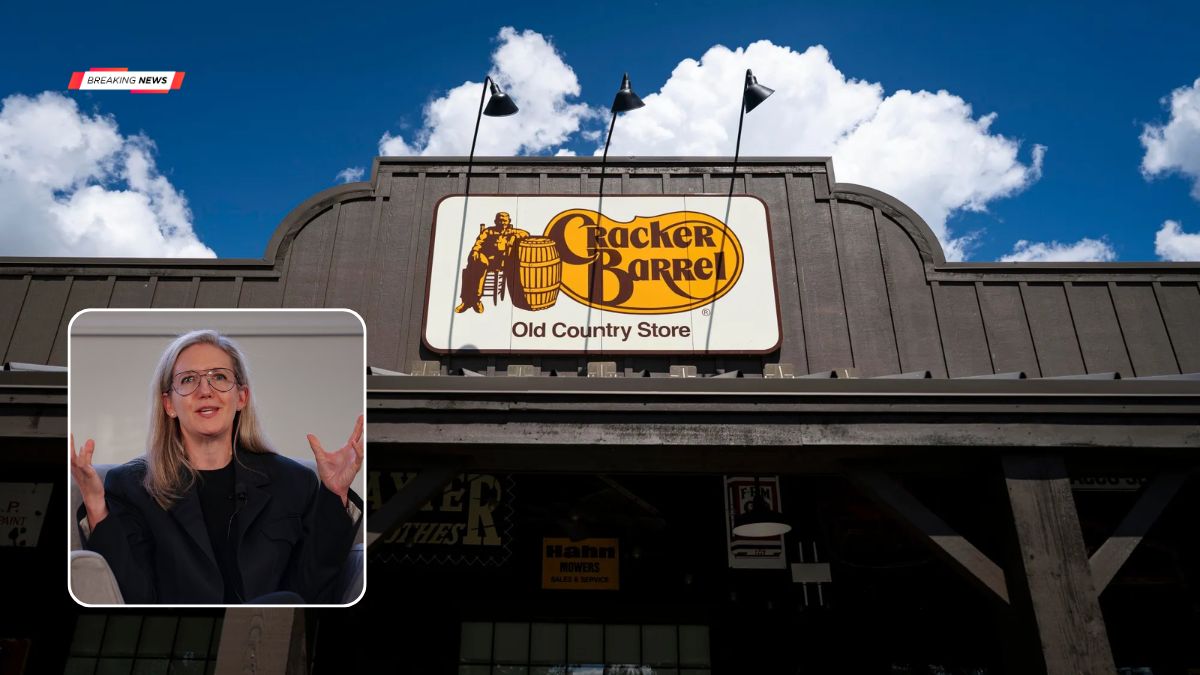
Cracker Barrel’s attempt to modernize its decades-old brand has ended with a leadership change, a costly rebranding effort and renewed attention on the value of customer loyalty. The restaurant chain’s former CEO Julie Masino stepped down after a major redesign effort that changed the company’s logo, menu and overall appearance.
The move was intended to attract new customers and refresh the brand, but it faced strong criticism from longtime fans who felt the changes removed important parts of Cracker Barrel’s identity. The company later restored its original logo, highlighting the challenge of updating a brand built heavily around tradition and nostalgia.
Shift
Cracker Barrel has been known since 1969 for its old-fashioned Southern-style restaurants, country-themed stores and antique-inspired decorations. With nearly 660 locations, the chain built its reputation around a familiar customer experience that connected generations of visitors.
When Julie Masino became chief executive officer in 2023, the company began exploring ways to modernize the brand. The strategy included changes to the restaurant’s visual identity, menu options and customer experience.
The goal was to make Cracker Barrel more appealing to changing consumer preferences. Many companies across the food industry have refreshed their branding to attract younger audiences and stay competitive.
However, Cracker Barrel’s customer base had a strong emotional connection to its traditional image. The company’s classic design, including the Old Timer character and barrel logo, had become part of its recognition among customers.
Reaction
The introduction of the new logo and updated appearance quickly generated criticism online. Many customers argued that the redesign removed the elements that made Cracker Barrel unique.
The company’s stock price also reacted negatively after the announcement. Shares dropped about 12% in one day, representing a market value decline of roughly $94 million.
The reaction showed how closely investors and customers were watching the company’s efforts to change its identity. For a brand built around familiarity, even small visual changes can have a major impact.
| Event | Impact |
|---|---|
| New logo introduced | Customer backlash increased |
| Old Timer character removed | Fans criticized loss of tradition |
| Stock decline | About $94 million market value loss |
| Original logo restored | Company returned to familiar branding |
The response demonstrated the difficulty of balancing modernization with maintaining the qualities that customers already value.
Costs
The rebranding effort was part of a larger transformation plan that reportedly involved significant investment. Cracker Barrel committed approximately $700 million toward its broader improvement strategy.
While the company hoped the changes would improve performance and attract new audiences, the backlash created additional pressure on leadership.
Brand updates often involve major expenses, including design work, marketing campaigns, technology changes and restaurant adjustments. When customers reject those changes, companies may face additional costs to reverse course.
Cracker Barrel’s experience highlights the financial risks involved when companies change long-established brands.
Leadership
Following the controversy, Cracker Barrel announced that Julie Masino would step down as CEO. David Deno, a former executive at Bloomin’ Brands, was appointed as her successor.
Deno highlighted the importance of preserving the qualities that made Cracker Barrel successful. His comments focused on the company’s country hospitality, long-standing customer relationships and traditional appeal.
Masino will remain with the company in an advisory role through October 9. According to regulatory filings reported by The New York Times, she will receive a severance package worth approximately $4.6 million.
The payment has drawn attention because it follows a period of significant brand changes and financial pressure. However, executive compensation agreements often include severance terms established before leadership transitions occur.
Lessons
Cracker Barrel’s experience offers a broader lesson for companies managing established brands. Modernization can help businesses remain competitive, but changes must consider why customers connect with a company in the first place.
Brands with strong histories often represent more than products or services. They can become symbols of memories, traditions and personal experiences.
For companies trying to attract new audiences, the challenge is finding a balance between innovation and familiarity. Removing too many recognizable elements can risk losing the customers who built the brand over time.
Future
Cracker Barrel’s next phase will likely focus on rebuilding customer trust while improving business performance. Returning to its original logo was one step toward reconnecting with its traditional audience.
The company’s leadership change also signals a renewed focus on its core identity. Whether Cracker Barrel can successfully combine operational improvements with its classic image will determine how the brand moves forward.
The situation serves as a reminder that successful brands are not only built through change. Sometimes, their strongest advantage comes from protecting the qualities that customers already recognize and value.
FAQs
Why did Cracker Barrel CEO leave?
Julie Masino stepped down after a controversial brand redesign.
How much did Cracker Barrel lose?
The stock drop reduced market value by about $94 million.
What changed in Cracker Barrel branding?

The company changed its logo, menu and restaurant appearance.
Who replaced Julie Masino?
David Deno became Cracker Barrel’s new CEO.
How much was Masino’s exit package?
Her reported severance package was about $4.6 million.