
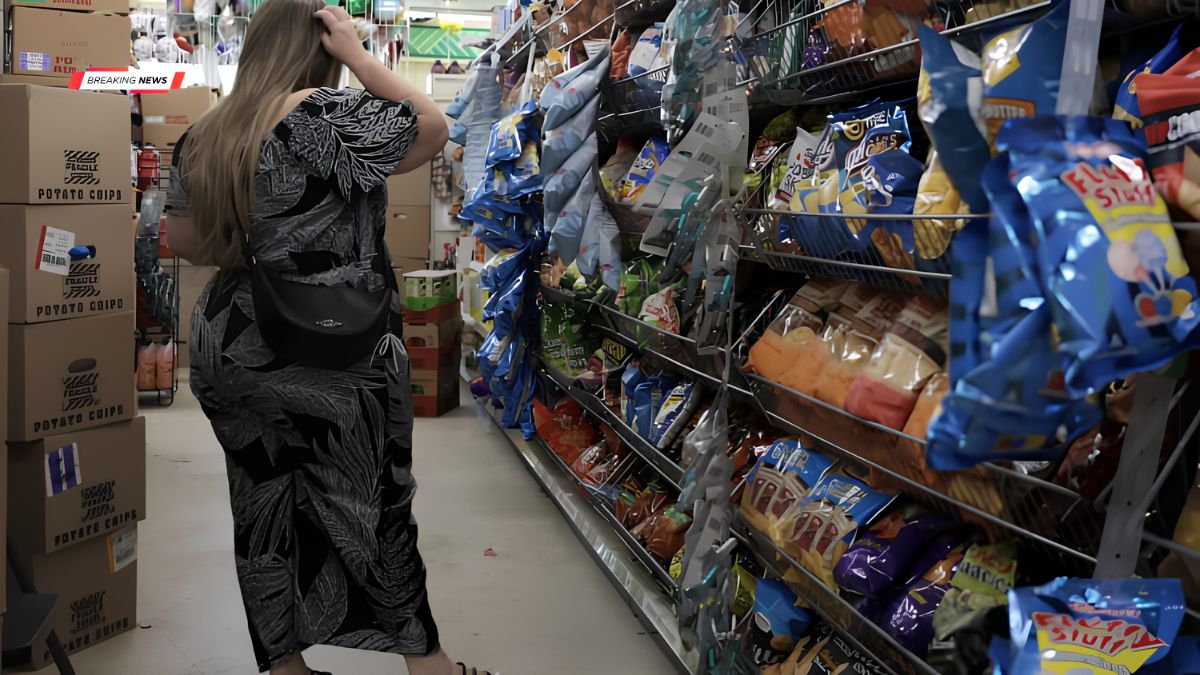
Nineteen states now have federal approval to limit SNAP purchases of soda, candy and certain desserts, creating a new set of state-specific shopping rules for millions of benefit recipients. The change marks a shift from the long-standing approach of having the same SNAP purchase standards across the country.
The United States Department of Agriculture (USDA) approved these changes through demonstration waivers that allow states to adjust which products can be purchased with Supplemental Nutrition Assistance Program (SNAP) benefits. While the policy is designed around nutrition goals, it also introduces new responsibilities for retailers and new questions about how the system will work in practice.
Changes
For many years, SNAP operated under a consistent national framework. If an item qualified for purchase with Electronic Benefit Transfer (EBT) benefits in one state, it generally qualified across all states. This helped create a predictable system for both households and retailers.
The new waiver process gives states more flexibility to change SNAP purchasing rules. Approved states can restrict certain categories of products, including sugar-sweetened beverages, candy and some dessert items.
States such as Indiana and Texas have received USDA guidance outlining how retailers must prepare for the changes. Stores are required to update checkout systems so restricted products are automatically denied when customers attempt to pay using SNAP benefits.
For retailers, the adjustment involves more than a technical update. Grocery stores, convenience stores and smaller food businesses must maintain accurate product databases, train employees and ensure that transactions follow federal requirements. Failure to comply could affect a store’s ability to participate in the SNAP program.
Rules
The restrictions vary depending on the state because each waiver has its own approved guidelines. States decide which products will no longer qualify for SNAP purchases based on their individual plans.
Oklahoma, for example, received approval to exclude certain soft drinks and candy products from SNAP eligibility. Nebraska introduced its Healthy Choices Waiver with information explaining which products are restricted and how the rules apply to recipients.
A key part of the policy is that restrictions are connected to the EBT card rather than the store itself. This means a SNAP recipient from a state with restrictions may still face denied purchases even when shopping at a retailer located in another state.
At the same time, a shopper from a state without similar restrictions may be able to purchase those same products at the same store. This difference creates a situation where two customers at the same checkout line may have different purchasing options depending on their state of residence.
Impact
The updated rules affect millions of SNAP households and thousands of retailers that accept EBT payments. However, there is currently limited nationwide information showing how the restrictions have changed shopping behavior.
USDA tracks state demonstrations through reports that identify approved waivers and participating states. These reports provide details about where restrictions exist but do not yet show complete results on consumer behavior or health outcomes.
Several important questions remain:
| Question | Current Information |
|---|---|
| Are SNAP users purchasing fewer restricted items? | Nationwide results are not available yet |
| Are retailers experiencing more declined transactions? | Data collection is ongoing |
| Are households using cash for restricted products? | The impact is still unclear |
| Have health outcomes changed? | Long-term research is needed |
Without broader data, researchers cannot easily compare states with restrictions to states without them. Changes in food prices, inflation and household budgets can also influence purchasing decisions.
Research
Evaluating the effectiveness of SNAP restrictions requires detailed information over time. Supporters of the policy argue that limiting certain products may encourage healthier purchasing patterns and support broader nutrition goals.
The idea behind the waivers is that states can test different approaches and provide evidence about what works. However, measuring results requires consistent methods across states.
Current state evaluations differ in their focus. Some examine whether retailers can successfully apply the restrictions through EBT systems. Others look at household choices and possible changes in food purchases.
Researchers also need to separate the effects of SNAP restrictions from other economic factors. For example, rising food costs or changes in household income may influence what families buy regardless of whether certain items are restricted.
Until states produce comparable results and USDA combines those findings, the overall effect of the policy will remain difficult to measure.
Debate
The changes have led to discussion among health groups, policymakers, retailers and SNAP advocates.
Supporters say SNAP benefits should encourage purchases that align with nutrition recommendations. They believe limiting products with high amounts of added sugar may help support healthier eating habits.
Critics have raised concerns about customer confusion, personal choice and the practical challenges of enforcing different rules across states. They note that some recipients may only learn about restrictions when a transaction is denied at checkout.
Retailers also face operational challenges. Employees may need to explain rejected purchases, and stores must regularly update product information as companies introduce new products, flavors and package sizes.
The changing rules mean that certain products may be eligible in one state but restricted for another state’s SNAP recipient shopping at the same location. This represents a significant change from the previous nationwide approach.
Future
The expansion of SNAP waivers represents an ongoing policy test. States that adopted restrictions will provide additional information about how the rules affect retailers, households and purchasing patterns.
Future research will determine whether these changes meet their intended goals while maintaining a workable system for recipients and businesses. More complete data will be needed before policymakers can judge the long-term effects.
For now, SNAP shopping rules depend increasingly on state-level decisions. As more states evaluate their programs, the focus will remain on how these changes affect food choices, program administration and the experience of millions of households using SNAP benefits.
FAQs
Which states changed SNAP rules?
Nineteen states received USDA approval for restrictions.
What SNAP items are restricted?
Some soda, candy and dessert products are restricted.
Do restrictions follow EBT cards?

Yes, rules follow the recipient’s EBT card.
Why are SNAP rules changing?
States want to test nutrition-focused purchasing policies.
Are SNAP results available yet?
National results are not available at this time.