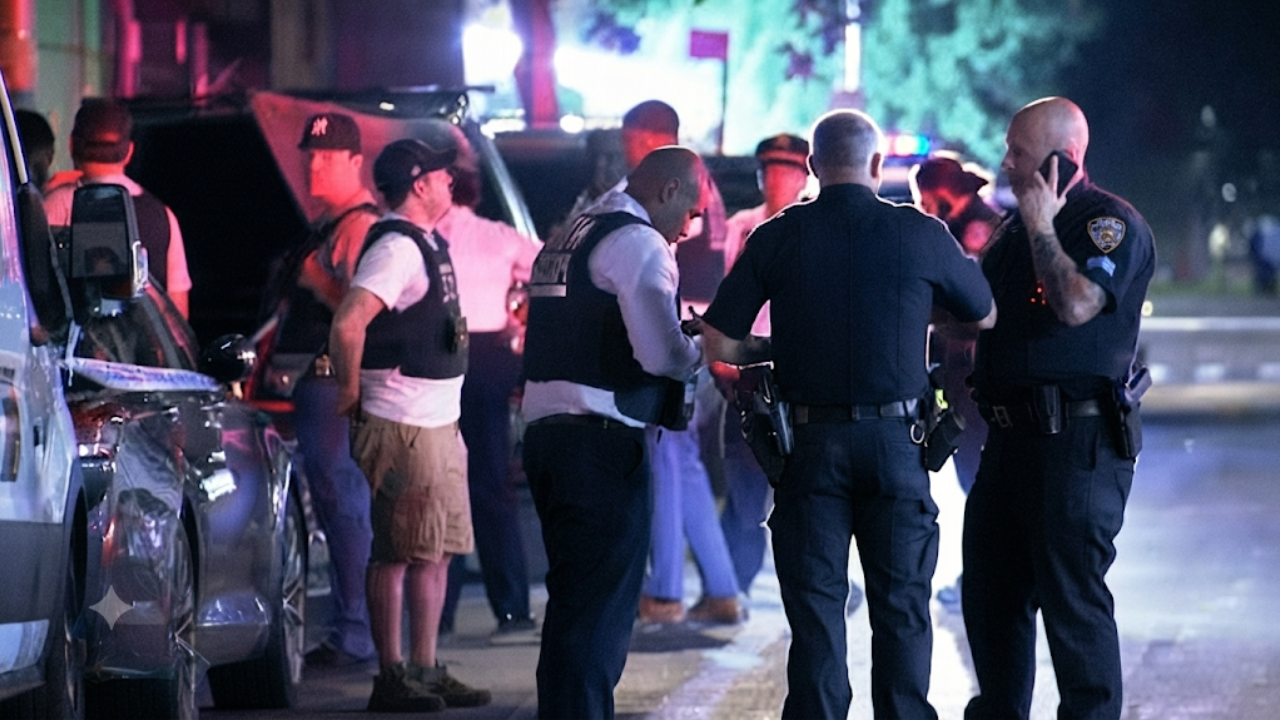
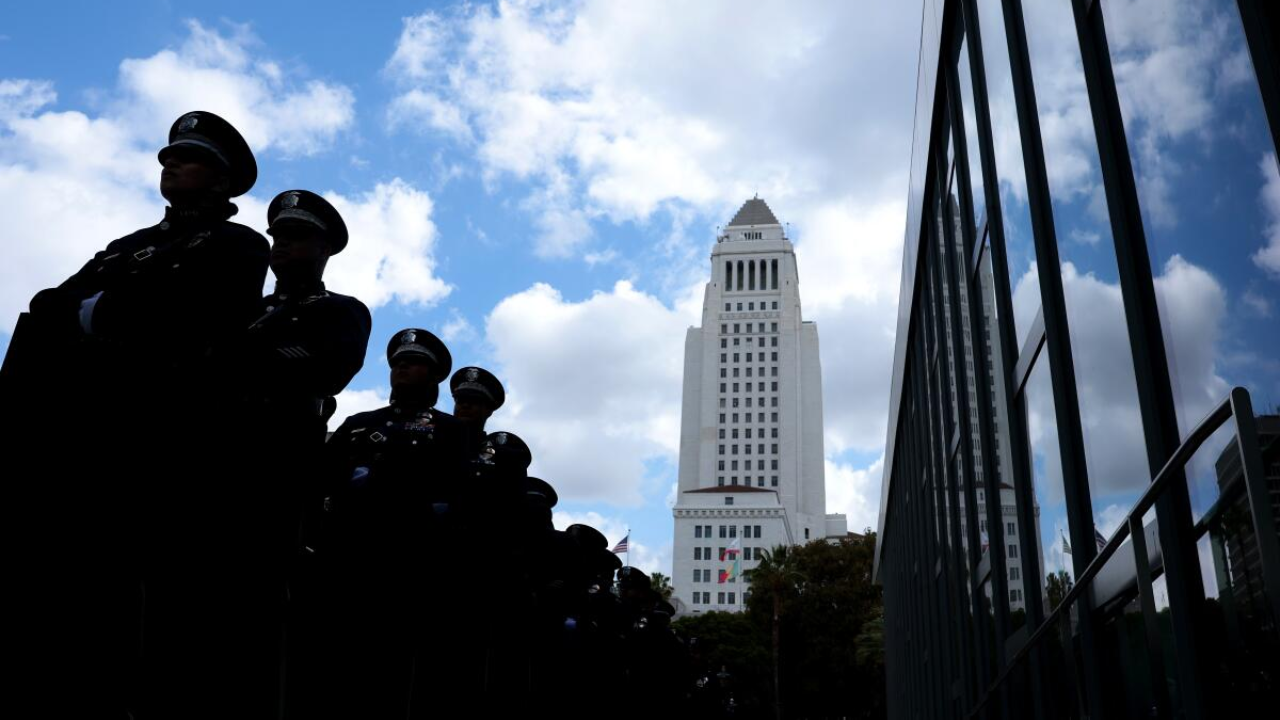
A Los Angeles Police Department (LAPD) officer who secretly recorded conversations among fellow officers that allegedly included racist, homophobic, and other offensive remarks may now face a possible criminal case. The recordings, which have already become part of an ongoing civil lawsuit, have intensified scrutiny over workplace conduct within one of the nation’s largest police departments.
The controversy extends beyond the content of the recorded conversations. Prosecutors are reportedly reviewing whether the method used to obtain the recordings violated California’s privacy laws governing confidential communications. As a result, the case now involves both allegations of discriminatory workplace behavior and legal questions surrounding the recordings themselves.
Secret Recordings Spark Internal and Legal Review
The controversy began after an LAPD officer allegedly made numerous recordings of conversations involving fellow officers while inside police facilities. According to court filings, the recordings captured remarks that allegedly contained racist, homophobic, sexist, and discriminatory language, raising concerns about workplace culture within the department.
The recordings later became evidence in a civil lawsuit alleging discrimination and retaliation. Attorneys involved in the litigation argue that the conversations provide insight into the workplace environment experienced by certain officers, while others question whether the recordings were legally obtained under California’s two-party consent law.
California generally requires the consent of all parties before confidential conversations may be recorded in many circumstances. Prosecutors reviewing the matter must determine whether the specific facts of the case support potential criminal charges or whether legal exceptions apply.
Meanwhile, the civil litigation continues independently of any potential criminal investigation. Evidence admitted in civil proceedings does not automatically determine whether criminal charges will be filed.
Possible Criminal Case Centers on Recording Laws
Authorities are evaluating whether the officer’s actions violated California statutes regulating unauthorized recordings of confidential communications. If prosecutors conclude sufficient evidence exists, the matter could result in criminal charges separate from the workplace discrimination lawsuit.
Legal experts note that California’s recording laws are among the strictest in the United States. Whether a conversation qualifies as confidential depends on several factors, including the location, the participants’ expectations of privacy, and the circumstances in which the conversation occurred.
The review does not focus on whether offensive comments were made but instead examines whether the recordings themselves were created in compliance with state law. Prosecutors will evaluate available evidence before deciding whether criminal proceedings are appropriate.
The officer’s attorneys may argue that the recordings served an important evidentiary purpose in documenting alleged workplace misconduct, while prosecutors must determine whether those circumstances affect the application of state law.
Case Raises Broader Questions About Workplace Culture
The allegations contained in the recordings have renewed public discussion about workplace culture within law enforcement agencies. Although the recordings remain part of ongoing litigation, the alleged comments have generated concern among community members and public officials.
Police departments across the country have increasingly faced scrutiny regarding professional conduct, diversity, accountability, and internal disciplinary procedures. Cases involving alleged discriminatory remarks often prompt agencies to review training, supervision, and workplace policies.
The LAPD has previously implemented reforms aimed at improving accountability and strengthening professional standards. Department leadership has stated that allegations of discriminatory conduct are taken seriously and are subject to internal review when appropriate.
As both the civil lawsuit and the possible criminal review continue, the ultimate legal outcome will depend on evidence presented through the judicial process. Investigators, prosecutors, and the courts will determine whether additional legal action is warranted.
| Key Information | Details |
|---|---|
| Incident | Secret recordings of alleged discriminatory conversations |
| Location | Los Angeles Police Department, Los Angeles, California |
| Main Issue | Possible violation of California recording laws |
| Related Claims | Alleged racist, homophobic, and discriminatory remarks |
| Current Proceedings | Civil lawsuit and possible criminal review |
| Investigating Authorities | Prosecutors reviewing recording allegations |
| Legal Question | Whether recordings violated California privacy statutes |
| Case Status | Ongoing |
The LAPD recording controversy has evolved into a complex legal matter involving both allegations of workplace discrimination and questions about California’s recording laws. While the recorded conversations have become central evidence in a civil lawsuit, prosecutors are separately considering whether the officer who created the recordings violated criminal statutes governing confidential communications.
No criminal charges have been announced, and prosecutors continue reviewing the evidence before making a final decision. As the legal process moves forward, the case is expected to remain closely watched because of its potential impact on workplace accountability, employee rights, and privacy laws within law enforcement agencies.
Frequently Asked Questions:
Where did the alleged recordings take place?
The recordings were allegedly made within the Los Angeles Police Department in Los Angeles, California, United States.
Why could the officer face criminal charges?
Prosecutors are reviewing whether the recordings violated California’s laws governing confidential communications and unauthorized recordings.
What was allegedly captured in the recordings?

According to court filings, the recordings allegedly included racist, homophobic, sexist, and other discriminatory remarks made by fellow officers.
Is anyone currently convicted or found guilty?
No. The matter remains under legal review. No criminal conviction has been announced, and the civil lawsuit is still pending.
What happens next?
Prosecutors will determine whether criminal charges are appropriate, while the related civil lawsuit involving the recordings continues through the court system.