A newly released analysis of California crime gun data has drawn attention to firearm tracing trends, identifying Glock as the most frequently recovered firearm brand in criminal investigations and Turner’s Outdoorsman as one of the retailers most commonly linked to traced firearms. The report examines guns recovered by law enforcement agencies and later submitted to the Bureau of Alcohol, Tobacco, Firearms and Explosives (ATF) for tracing.
The findings have renewed discussion about firearm trafficking, retail sales, lawful gun ownership, and the challenges investigators face when tracing firearms used in criminal offenses. Officials emphasize that a firearm appearing in trace data does not necessarily indicate wrongdoing by the manufacturer or retailer, as many firearms change ownership legally before being recovered during investigations.
Report Examines Crime Gun Tracing Across California
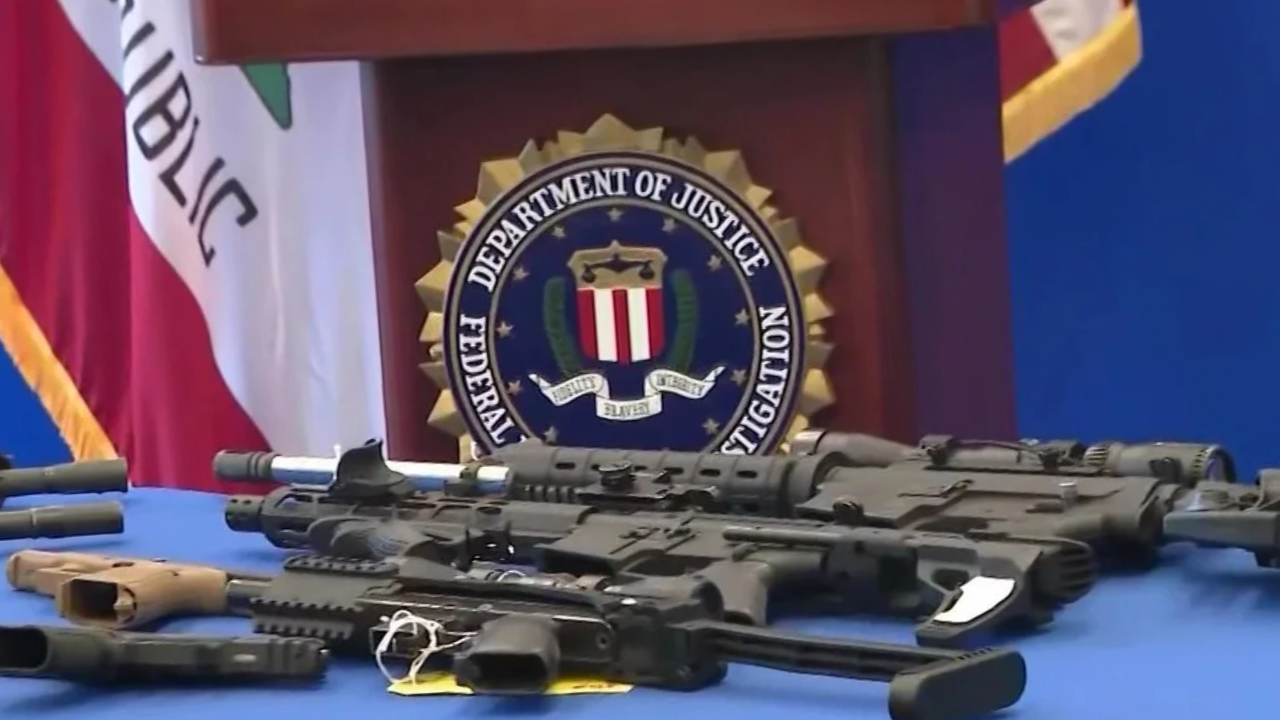
The report analyzes firearms recovered during criminal investigations throughout California and submitted for tracing through the ATF’s National Tracing Center. Crime gun tracing is an investigative tool that helps determine the first retail purchaser of a recovered firearm, providing investigators with information that may assist ongoing cases.
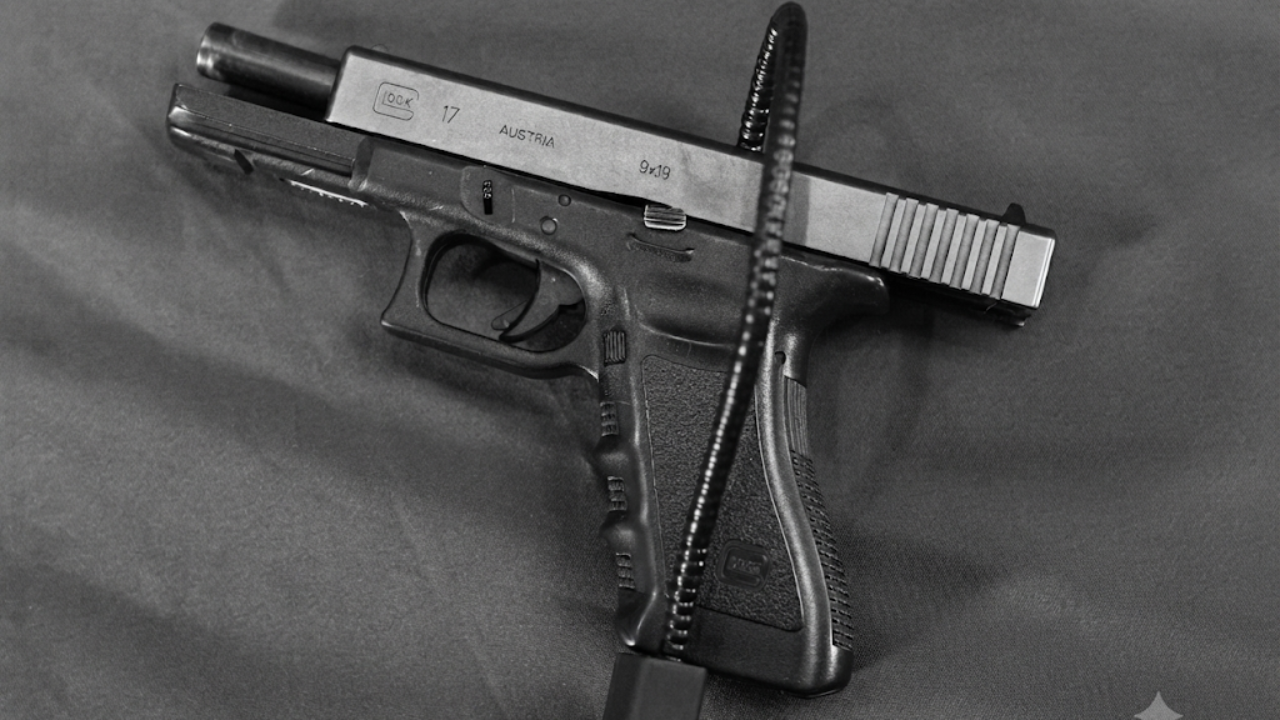
According to the analysis, Glock was the firearm manufacturer appearing most frequently among recovered crime guns submitted for tracing. Turner’s Outdoorsman was identified as one of the licensed firearm retailers connected to a significant number of traced firearms through lawful retail sales. Experts note that trace data identifies the firearm’s original retail sale rather than establishing how the firearm eventually reached a crime scene.
Investigators use firearm tracing alongside forensic evidence, witness interviews, surveillance footage, and ballistic testing to better understand criminal activity. The tracing process is intended to generate investigative leads rather than determine criminal responsibility by itself.
Public safety officials also note that the number of traced firearms associated with a particular manufacturer or retailer may reflect overall sales volume, market popularity, and the number of firearms legally sold rather than unlawful conduct.
Understanding What Crime Gun Data Actually Shows
Crime gun reports often generate public interest, but experts caution against drawing conclusions solely from trace statistics. A firearm can legally change owners several times through private transfers, inheritances, dealer resales, or other lawful transactions before eventually being recovered by police.
For that reason, the appearance of a firearm brand or retailer in trace data does not establish liability or suggest that a manufacturer or dealer participated in criminal activity. Instead, the information primarily assists investigators in identifying the firearm’s original point of sale and its early ownership history.
Another important measurement included in crime gun reports is “time-to-crime,” which represents the period between a firearm’s first retail purchase and its recovery by law enforcement. Shorter time-to-crime periods may prompt investigators to examine possible straw purchasing or trafficking activity, while longer periods generally indicate years of lawful ownership before recovery.
Law enforcement agencies continue using crime gun tracing to identify trafficking networks, recover stolen firearms, and support criminal investigations involving violent offenses.
Firearm Policy Debate Continues Following Report
The publication of California’s crime gun data has renewed policy discussions among lawmakers, firearm industry representatives, law enforcement officials, and gun rights organizations. Some policymakers argue that the report demonstrates the importance of stronger anti-trafficking enforcement and expanded tracing efforts.
Others caution that trace reports should not be interpreted as evidence of misconduct by manufacturers or federally licensed firearm dealers. Industry representatives frequently point out that retailers operate under extensive federal and state regulations governing firearm sales, background checks, and recordkeeping.
Law enforcement officials generally describe firearm tracing as one component of broader criminal investigations. Detectives combine trace information with forensic examinations, digital evidence, interviews, and laboratory testing to build criminal cases involving recovered weapons.
As California continues addressing firearm-related violence, officials are expected to rely on updated crime gun reports to evaluate trafficking patterns, improve investigative strategies, and inform future public safety initiatives.
| Key Information | Details |
|---|---|
| Report Focus | Crime gun tracing in California |
| Location | California, United States |
| Most Frequently Traced Brand | Glock |
| Retailer Highlighted | Turner’s Outdoorsman |
| Investigative Tool | ATF firearm tracing |
| Purpose | Identify original retail sale and support investigations |
| Determines Criminal Liability? | No, trace data alone does not establish wrongdoing |
| Current Status | Report released for public review and policy discussion |
California’s latest crime gun analysis provides insight into firearm tracing trends by identifying frequently recovered firearm brands and retailers connected to traced firearms. The report serves primarily as an investigative resource, helping law enforcement understand how firearms move from lawful retail sales into criminal investigations.
Officials stress that crime gun trace data should be interpreted carefully. A firearm’s presence in trace records does not indicate criminal conduct by manufacturers or retailers but instead reflects the firearm’s documented chain beginning with its first lawful retail sale. As policymakers and law enforcement review the findings, the report is expected to contribute to ongoing discussions about firearm trafficking, public safety, and crime prevention strategies across California.
Frequently Asked Questions:
What is the California Crime Gun Report?
It is an analysis of firearms recovered during criminal investigations and submitted for tracing to help investigators identify their original retail sale.
Why are Glock and Turner’s Outdoorsman mentioned?
The report found that Glock was the most frequently recovered firearm brand among traced guns, while Turner’s Outdoorsman was one of the retailers commonly connected to traced firearm sales.
Does appearing in trace data mean a company broke the law?
No. Crime gun trace data does not establish criminal liability for manufacturers or firearm retailers. It only identifies the firearm’s original retail transaction.
What is firearm tracing used for?
Law enforcement uses firearm tracing to identify the original purchaser, develop investigative leads, examine trafficking patterns, and support criminal investigations.
How does this report affect public policy?
The findings may influence discussions about firearm trafficking enforcement, crime prevention strategies, and future public safety policies while providing investigators with valuable crime analysis data.