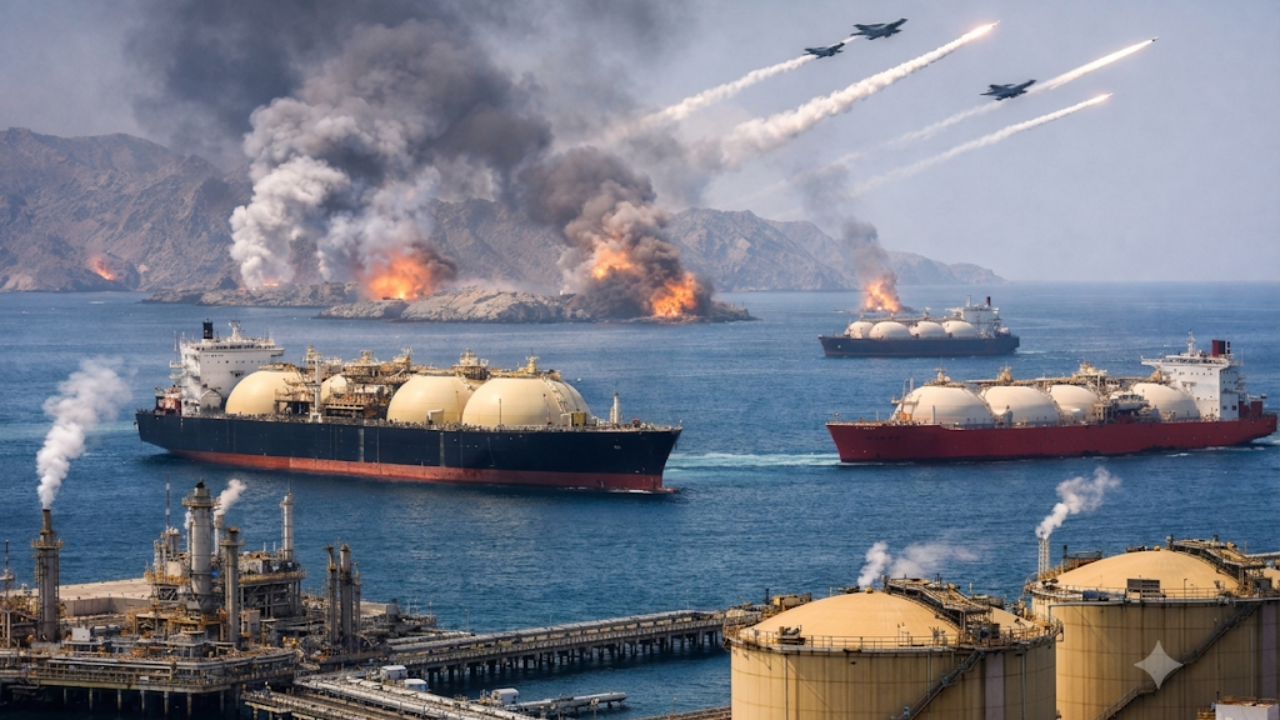
NEW YORK, New York — U.S. natural gas futures surged approximately 6% as energy markets reacted to growing concerns that conflict in the Middle East could disrupt global supplies and affect international energy trade. The sharp increase reflected fears among traders and investors that escalating tensions in one of the world’s most important energy-producing regions could create shortages, increase transportation risks, and place additional pressure on already volatile global markets.
The Middle East plays a critical role in the production and export of oil and natural gas, making developments in the region closely watched by governments, businesses, and energy companies worldwide. Any threat to production facilities, shipping routes, or export infrastructure has the potential to influence global prices and impact energy security.
Market analysts noted that geopolitical uncertainty often triggers immediate reactions in commodity markets as traders attempt to assess potential risks to future supply. The latest surge in natural gas futures highlighted concerns that disruptions could affect liquefied natural gas (LNG) shipments and alter global trade flows.
Although no widespread supply collapse was reported, the possibility of disruptions was enough to drive significant price movements. Investors increasingly focused on the potential economic consequences of a prolonged conflict and its implications for energy availability across multiple regions.
Middle East Conflict Sparks Market Volatility
Energy markets responded quickly as reports of continued instability in the Middle East raised concerns about the reliability of supply chains. The region contains some of the world’s largest energy reserves and serves as a major source of oil and natural gas exports for countries across Europe, Asia, and other parts of the world.
Traders closely monitored developments involving key transportation corridors and export facilities. Even the perception of risk can influence prices because energy markets often react before actual supply disruptions occur. Investors frequently adjust positions in anticipation of possible shortages or logistical challenges.
The surge in natural gas futures reflected broader uncertainty surrounding global energy security. Market participants evaluated scenarios ranging from temporary transportation delays to more significant interruptions affecting production and export capacity.
Analysts pointed out that natural gas markets have become increasingly interconnected through the growth of LNG trade. As a result, disruptions in one region can quickly affect prices and supply expectations in distant markets, including the United States.
The latest market movement underscored how geopolitical events continue to play a major role in shaping energy prices and investor sentiment.
Why Natural Gas Prices Responded So Strongly
Natural gas futures are influenced by a variety of factors, including supply levels, demand forecasts, weather conditions, storage inventories, and geopolitical developments. In this case, concerns about international supply disruptions became a dominant market driver.
The growing importance of LNG exports has strengthened connections between domestic and international gas markets. The United States has emerged as one of the world’s leading LNG exporters, meaning global developments can increasingly affect domestic pricing trends.
When traders anticipate tighter global supplies, they often bid prices higher to account for potential shortages. Increased demand for alternative supply sources can also contribute to market volatility as buyers compete for available shipments.
The Middle East remains strategically important because of its role in global energy production and transportation. Concerns about shipping routes, infrastructure security, and regional stability can influence market expectations even when production levels remain largely unchanged.
Financial markets also tend to react strongly during periods of geopolitical uncertainty. Investors often seek to protect themselves against potential disruptions by adjusting commodity positions, which can amplify price movements in energy markets.
The 6% jump demonstrated how sensitive natural gas markets remain to international developments and perceptions of risk.
Broader Economic and Energy Implications
Higher natural gas prices can have consequences beyond commodity trading. Businesses, utilities, manufacturers, and consumers often feel the effects when energy costs rise. Increased fuel expenses can influence electricity prices, industrial production costs, and overall inflation trends.
Governments and policymakers closely monitor energy markets because sustained price increases may affect economic growth and consumer spending. Rising energy costs can place pressure on households while also increasing operating expenses for companies dependent on fuel and electricity.
Energy analysts noted that the situation highlights the importance of diversified supply sources and resilient infrastructure. Countries around the world have invested heavily in expanding LNG import and export capabilities to improve flexibility during periods of market disruption.
The United States has become a significant player in global energy markets through its expanding natural gas production and export capacity. This position provides opportunities for American producers but also increases exposure to international events.
Market participants continue monitoring developments in the Middle East for signs that tensions could either escalate or ease. Future price movements will likely depend on the evolution of the conflict, supply conditions, and broader economic factors influencing energy demand.
For now, the sharp rise in futures prices reflects ongoing uncertainty and the market’s effort to evaluate potential risks to global energy supplies.
Market Overview
| Detail | Information |
|---|---|
| Commodity | U.S. Natural Gas Futures |
| Price Movement | Approximately 6% Increase |
| Primary Cause | Middle East Conflict Concerns |
| Market Focus | Global Supply Disruptions |
| Key Industry | Energy |
| Major Risk Factor | Export and Shipping Interruptions |
| Affected Regions | Global Energy Markets |
| U.S. Role | Major LNG Exporter |
| Economic Impact | Potential Higher Energy Costs |
| Investor Concern | Supply Security and Market Stability |
The sharp rise in U.S. natural gas futures demonstrates the significant influence geopolitical events continue to have on global energy markets. Concerns surrounding conflict in the Middle East prompted investors and traders to reassess supply risks, resulting in a notable increase in prices.
Although widespread disruptions had not yet materialized, markets reacted to the possibility that energy infrastructure, transportation routes, or export operations could be affected. The response reflects the interconnected nature of today’s global energy system, where developments in one region can influence pricing worldwide.
For businesses, consumers, and policymakers, the situation serves as a reminder of the importance of energy security and supply diversification. As countries continue investing in alternative sources and expanded infrastructure, resilience remains a key objective.
The coming weeks will be critical as market participants evaluate whether tensions escalate further or begin to stabilize. Until greater clarity emerges, energy prices are likely to remain sensitive to geopolitical developments and supply-related news from the region.
FAQ’s:
Why did U.S. natural gas futures rise?
Prices increased because traders feared that conflict in the Middle East could disrupt global energy supplies and exports.
How much did natural gas futures increase?
U.S. natural gas futures climbed approximately 6% during the market reaction.
Why is the Middle East important to energy markets?

The region is a major producer and exporter of oil and natural gas and plays a crucial role in global energy supply chains.
How can higher natural gas prices affect consumers?
Higher prices may contribute to increased electricity costs, heating expenses, and broader inflationary pressures.
What factors will influence future price movements?
Developments in the Middle East conflict, global supply conditions, LNG trade flows, and overall energy demand will likely determine future market trends.