
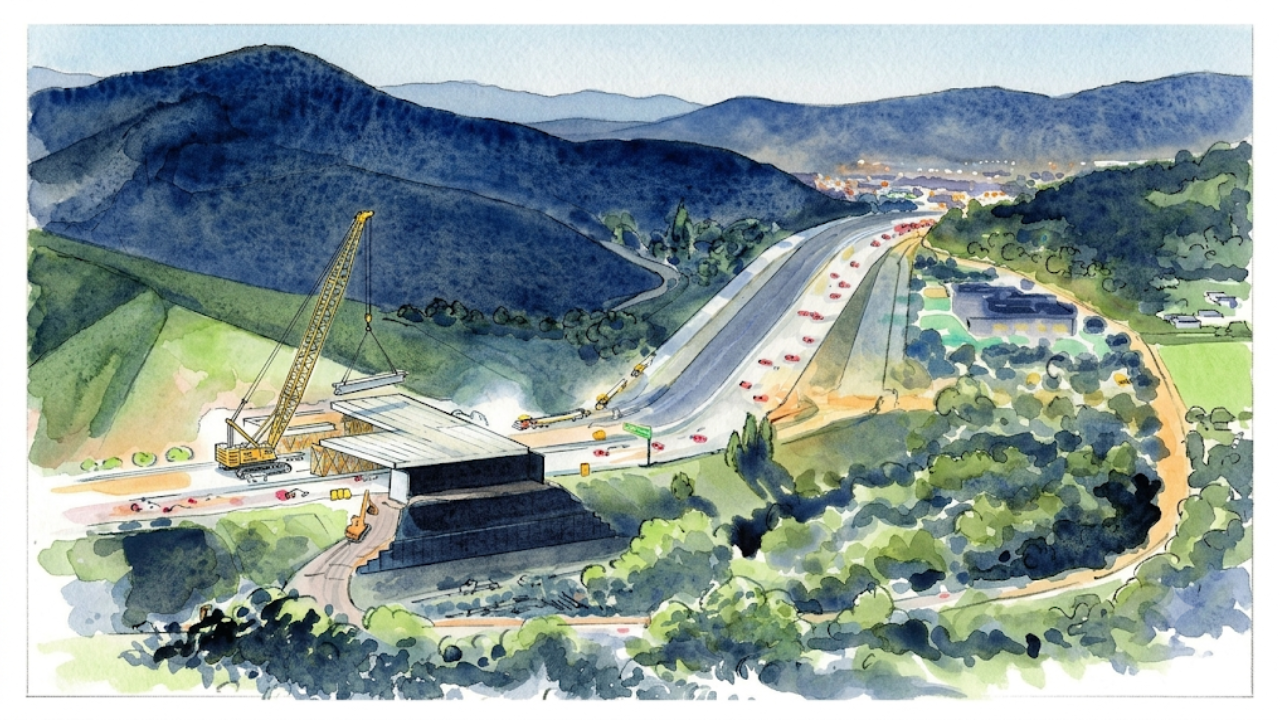
LOS ANGELES, California — A devastating California wildfire has become the unlikely inspiration for a new book that explores the hidden societies, communication systems, and complex social structures of animals. The project emerged from observations made in the aftermath of a major wildfire, where researchers, conservationists, and scientists began paying closer attention to how wildlife responds to environmental disasters and how animals interact within their own communities.
The book examines a growing body of scientific research suggesting that animals form sophisticated social networks that often resemble human communities in surprising ways. Advances in technology have enabled researchers to observe wildlife with unprecedented detail, revealing behaviors that were previously impossible to document.
What began as an effort to understand how animals survived and adapted following a destructive wildfire evolved into a broader exploration of the secret lives of species ranging from birds and mammals to marine animals and insects. The findings challenge traditional assumptions about animal intelligence, cooperation, and communication.
Scientists involved in the research argue that humans are only beginning to understand the complexity of the natural world. The book presents evidence that many species operate within organized social systems that influence everything from survival and migration to parenting and collective decision-making.
Wildfire Recovery Revealed Unexpected Wildlife Behavior
The inspiration for the book can be traced to observations made after a major California wildfire dramatically altered natural habitats. Wildfires often destroy vegetation, disrupt ecosystems, and force animals to adapt quickly to changing conditions. Researchers monitoring recovery efforts noticed patterns of cooperation and resilience among wildlife populations that attracted scientific attention.
As animals returned to burned landscapes, scientists observed behaviors suggesting coordinated responses to environmental challenges. Some species appeared to share information about food sources and safe habitats, while others formed temporary alliances that improved survival rates during recovery periods.
These observations encouraged researchers to investigate whether such behaviors were isolated responses to disaster or part of broader social systems that existed long before the wildfire occurred. What they discovered suggested that many animal populations maintain complex relationships that remain largely invisible to casual observers.
The wildfire effectively served as a natural experiment, exposing interactions that might otherwise have gone unnoticed. By studying how animals adapted to environmental disruption, researchers gained new insight into the sophisticated networks that support wildlife communities.
The findings ultimately inspired a deeper examination of animal societies and their importance within ecosystems.
Technology Unlocks the Secret World of Animals
A major theme of the book is the role technology has played in transforming wildlife research. Scientists now use advanced tracking devices, drones, remote cameras, satellite monitoring systems, artificial intelligence, and bioacoustic tools to study animal behavior in ways that were impossible just a few decades ago.
These technologies allow researchers to follow animals across vast distances, record communications, and monitor interactions without disturbing natural behaviors. Data collected through these methods has revealed intricate patterns of cooperation, leadership, migration, and information sharing among numerous species.
Researchers have documented examples of animals making collective decisions, recognizing individual group members, teaching younger generations, and coordinating responses to threats. Such discoveries have challenged longstanding beliefs that complex societies are unique to humans.
The ability to gather and analyze large volumes of behavioral data has significantly expanded scientific understanding of wildlife communities. Scientists increasingly describe certain animal populations as organized societies with their own forms of culture, traditions, and social structures.
The book argues that technological innovation is helping uncover a hidden dimension of the natural world that has existed for millions of years but remained largely beyond human observation.
Understanding Animal Societies and Conservation
The discoveries highlighted in the book have important implications for conservation efforts. Scientists believe that protecting wildlife requires understanding not only individual species but also the social networks that support their survival.
When habitats are destroyed by wildfires, development, or climate-related events, entire social structures can be disrupted. Researchers argue that conservation strategies should account for these relationships because the loss of key individuals or groups may affect entire populations.
The book also explores how animal societies contribute to ecosystem stability. Cooperative behaviors can help species locate resources, avoid predators, care for offspring, and adapt to environmental change. These interactions often play a critical role in maintaining biodiversity and ecological balance.
Conservationists suggest that recognizing the complexity of animal communities may encourage stronger protections for wildlife habitats. Understanding that animals live within organized social systems can influence how people think about environmental stewardship and ecosystem management.
The wildfire that inspired the book ultimately became a catalyst for broader conversations about the interconnectedness of nature and humanity’s responsibility to protect it.
Key Themes From the Book
| Detail | Information |
|---|---|
| Location | California |
| Inspiration | Wildfire Recovery Observations |
| Main Subject | Hidden Animal Societies |
| Research Tools | AI, Drones, Cameras, Tracking Devices |
| Scientific Focus | Animal Communication and Social Behavior |
| Key Discovery | Complex Wildlife Communities |
| Conservation Impact | Improved Habitat Protection Strategies |
| Technologies Used | Satellite and Bioacoustic Monitoring |
| Broader Message | Interconnected Ecosystems |
| Outcome | New Book on Animal Societies |
The story of how a California wildfire inspired a book about hidden animal societies highlights the unexpected ways scientific discoveries can emerge from environmental challenges. What began as an effort to study wildlife recovery evolved into a deeper investigation of the sophisticated social systems that shape animal behavior across ecosystems.
Advances in technology have allowed researchers to uncover remarkable evidence of communication, cooperation, and organization among numerous species. These findings challenge traditional views of animal intelligence and reveal a level of social complexity that was once difficult to imagine.
The book also emphasizes the importance of conservation and the need to understand wildlife as part of interconnected communities rather than isolated individuals. As scientific tools continue improving, researchers expect even more discoveries about the hidden societies that exist throughout the natural world.
Ultimately, the project demonstrates how environmental events such as wildfires can inspire new ways of understanding nature and encourage greater appreciation for the complexity of life on Earth.
FAQ’s:
What inspired the book about hidden animal societies?
The book was inspired by observations of wildlife behavior following a major California wildfire.
What does the book explore?
It examines animal communication, cooperation, social structures, and the hidden communities that exist among wildlife species.
How has technology helped researchers?

Tools such as drones, AI, satellite tracking, cameras, and acoustic monitoring systems have allowed scientists to observe animal behavior in greater detail.
Why are animal societies important?
They influence survival, reproduction, migration, resource sharing, and overall ecosystem stability.
What conservation lessons emerge from the research?
The findings suggest that protecting habitats and social networks is essential for maintaining healthy wildlife populations and ecosystems.