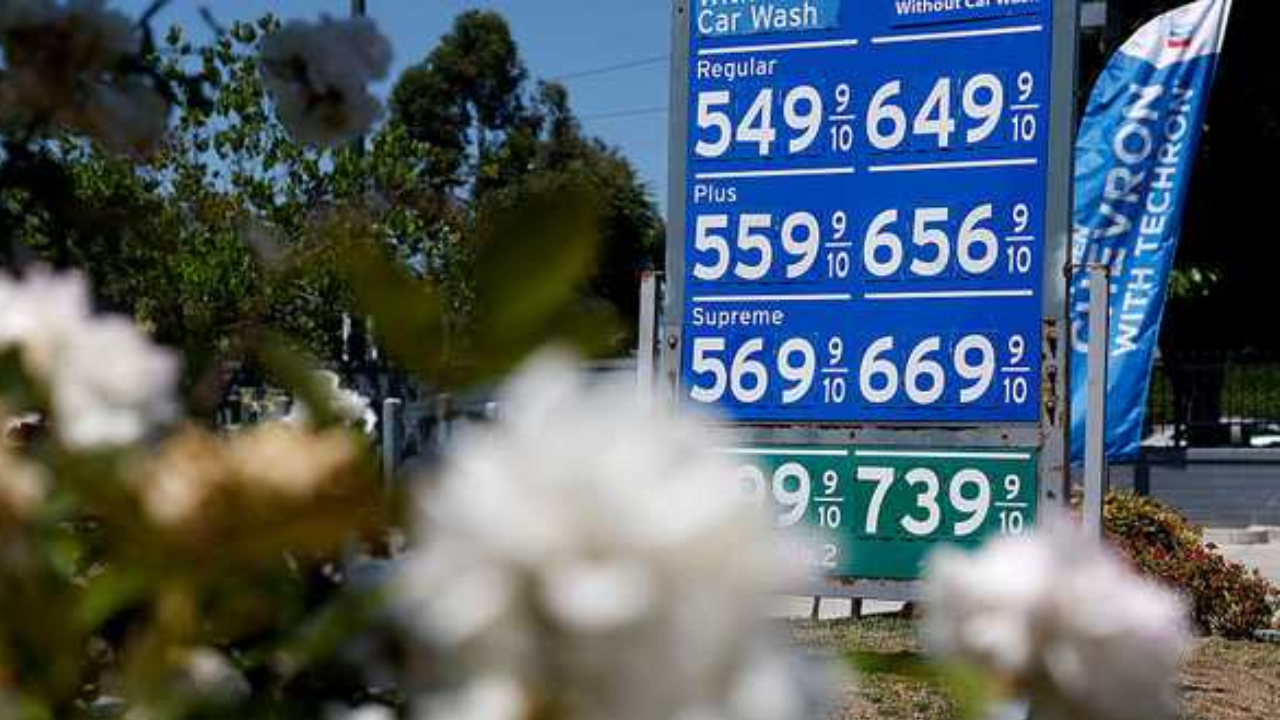
SAN FRANCISCO, California — A new lawsuit alleges that artificial intelligence-powered pricing software has enabled gas stations across California to coordinate fuel prices in ways that may have harmed consumers and increased costs at the pump. The case raises significant questions about the growing role of algorithms and AI-driven systems in setting prices across industries, as well as concerns about whether such technology can facilitate anti-competitive behavior.
According to the complaint, the software platform at the center of the dispute provided fuel retailers with real-time pricing recommendations and market intelligence that allegedly allowed competing businesses to align prices more closely than would occur in a fully competitive market. Plaintiffs argue that this technology effectively helped fuel sellers raise prices and reduce competition, resulting in higher costs for California drivers.
The lawsuit targets the use of advanced pricing tools that analyze market conditions, competitor pricing, demand trends, and other factors before generating recommendations for fuel retailers. Critics claim that while such systems are marketed as efficiency tools, they can also create conditions where businesses move prices in parallel, potentially harming consumers.
The allegations arrive at a time when regulators, lawmakers, and economists are increasingly examining how artificial intelligence and automated decision-making systems influence competition, pricing, and consumer welfare in modern markets.
Lawsuit Focuses on AI-Powered Fuel Pricing Technology
At the center of the legal dispute is pricing software reportedly used by gas station operators to determine fuel prices. The lawsuit alleges that the platform collects and analyzes extensive market data before generating recommendations regarding what retailers should charge customers.
Plaintiffs claim that when multiple competitors rely on the same pricing technology, the software can influence pricing decisions across an entire market. Rather than independently determining prices, businesses may follow algorithmic recommendations that reflect similar market conditions and objectives.
According to the complaint, the widespread adoption of AI-driven pricing systems may reduce traditional competitive pressures by encouraging retailers to respond similarly to market information. The lawsuit argues that such behavior can lead to fuel prices that remain higher than they otherwise would under normal competition.
Supporters of the lawsuit contend that consumers ultimately bear the financial burden when competing businesses rely on shared algorithmic insights that allegedly contribute to coordinated pricing patterns.
The legal challenge seeks to determine whether the use of such technology crosses legal boundaries established under antitrust and consumer protection laws.
Companies Deny Wrongdoing and Defend Pricing Practices
Businesses connected to the lawsuit have denied allegations of unlawful conduct and maintain that pricing software serves as a legitimate business tool designed to improve operational efficiency. Supporters of algorithmic pricing systems argue that companies remain responsible for making their own pricing decisions and are not required to follow software recommendations.
Industry representatives note that fuel prices are influenced by numerous factors, including crude oil costs, refining expenses, transportation fees, taxes, regional supply conditions, and consumer demand. They argue that fluctuations in these variables can naturally result in similar pricing patterns among competitors.
Defendants are expected to argue that the software merely provides information and analysis rather than directing or coordinating pricing decisions among separate businesses. They may also contend that technological tools help retailers respond more effectively to rapidly changing market conditions.
Legal experts note that proving algorithmic collusion can be challenging because courts must distinguish between lawful use of market information and behavior that unlawfully restricts competition. The case could therefore become an important test of how antitrust laws apply in the age of artificial intelligence.
As the litigation proceeds, both sides are expected to present economic analyses, industry data, and expert testimony regarding the operation and impact of AI-based pricing systems.
Growing Debate Over AI and Market Competition
The California fuel pricing lawsuit is part of a broader national conversation about artificial intelligence and competition policy. Regulators worldwide have increasingly focused on whether algorithms can facilitate anti-competitive behavior even when direct communication between competitors is absent.
Economists have noted that AI systems can process enormous amounts of market data and react to changing conditions far more quickly than human decision-makers. While this capability can improve efficiency, some experts worry that widespread use of similar algorithms could produce pricing outcomes that resemble coordination.
Consumer advocates argue that transparency and oversight are essential as AI becomes more deeply integrated into commercial decision-making. They believe regulators should carefully examine situations where algorithms influence prices paid by millions of consumers.
Business groups, however, warn against restricting technological innovation based solely on concerns about hypothetical harms. They argue that pricing software can increase efficiency, improve inventory management, and help businesses respond to market conditions more accurately.
The outcome of the lawsuit may help shape future legal standards governing artificial intelligence, algorithmic pricing, and competition in industries ranging from fuel sales to retail, travel, housing, and financial services.
Case Overview
| Detail | Information |
|---|---|
| Location | San Francisco, California |
| Legal Action | Consumer and Antitrust Lawsuit |
| Main Allegation | AI-Assisted Fuel Price Coordination |
| Industry Involved | Gas Stations and Fuel Retailers |
| Technology at Issue | AI Pricing Software |
| Consumer Concern | Higher Gasoline Prices |
| Key Legal Question | Potential Anti-Competitive Conduct |
| Defendants’ Position | Deny Wrongdoing |
| Regulatory Interest | AI and Market Competition |
| Status | Litigation Ongoing |
The lawsuit alleging that artificial intelligence software helped California gas stations coordinate fuel prices has brought renewed attention to the intersection of technology, competition, and consumer protection. Plaintiffs argue that algorithmic pricing tools enabled retailers to maintain higher prices, while defendants insist that the software represents a lawful and efficient business resource.
As AI continues expanding into commercial decision-making, regulators and courts face increasingly complex questions regarding how traditional antitrust principles should apply to modern technology. The California case may become an important benchmark for future disputes involving algorithmic pricing systems and market competition.
Regardless of the final outcome, the litigation underscores growing concerns about the role of artificial intelligence in shaping consumer prices and highlights the challenges policymakers face in balancing innovation with fair competition.
FAQ’s:
What does the lawsuit allege?
The lawsuit claims that AI-powered pricing software helped gas stations coordinate fuel prices, leading to higher costs for consumers.
Where was the lawsuit filed?
The case involves fuel pricing practices affecting consumers in California.
What technology is at the center of the dispute?

The lawsuit focuses on AI-driven pricing software used to analyze market conditions and generate fuel price recommendations.
Have the defendants admitted wrongdoing?
No. The companies involved deny the allegations and argue that the software is a lawful business tool.
Why is the case important?
The lawsuit could influence how courts and regulators address artificial intelligence, algorithmic pricing, and competition laws in the future.