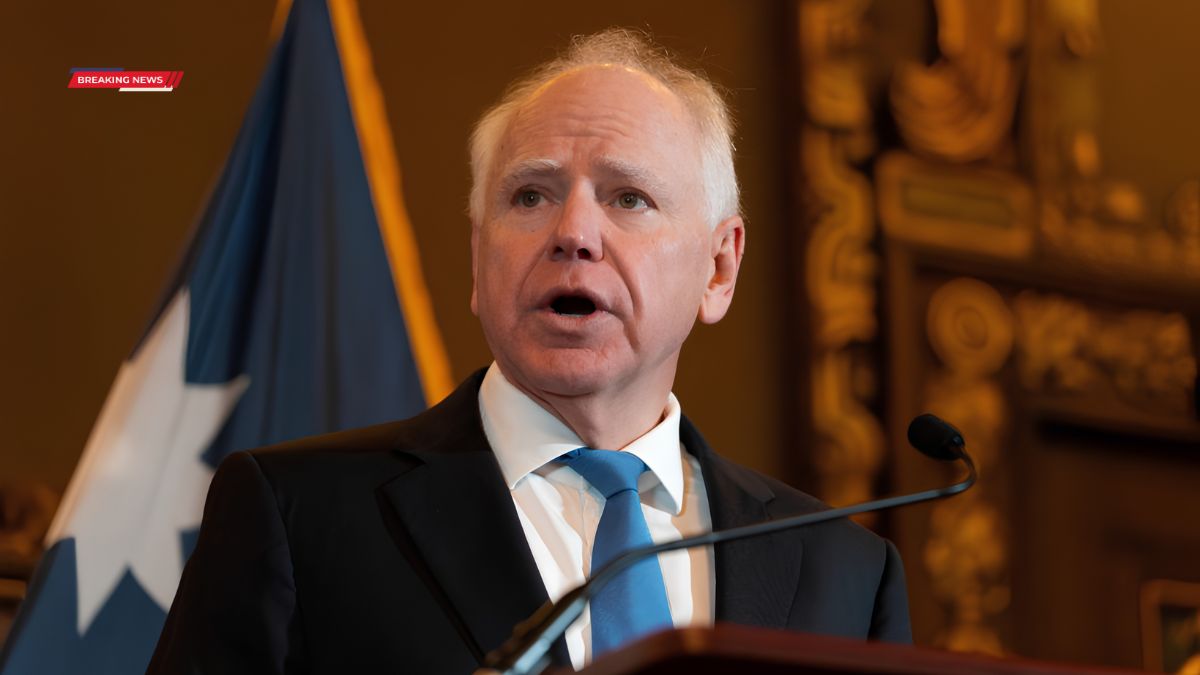
A federal judge has halted an effort by the Trump administration to subpoena Minnesota Gov. Tim Walz and other state and local officials, ruling that the Justice Department improperly used its investigative powers to pressure and retaliate against officials who declined to assist with federal immigration enforcement.
In a ruling unsealed Monday, U.S. District Judge Patrick Schiltz said the subpoenas lacked a legitimate investigative basis and were instead aimed at coercing Minnesota officials into cooperating with federal civil immigration efforts.
Ruling
Judge Schiltz found that the “dominant purpose” of the subpoenas was not to investigate criminal wrongdoing, but to harass and retaliate against state and local leaders for exercising their legal right not to participate in federal immigration enforcement.
“The evidence that the subpoenas were issued for unlawful reasons is overwhelming,” Schiltz wrote. He added that the Justice Department failed to identify “a single plausible investigatory justification” for the records it sought.
The judge concluded that the subpoenas were unlawful and blocked their enforcement.
Background
The subpoenas were issued in January as part of a Justice Department investigation into whether Walz and other Minnesota officials obstructed or impeded federal law enforcement actions related to immigration.
They were sent to the offices of Gov. Walz, Minnesota Attorney General Keith Ellison, Minneapolis Mayor Jacob Frey, St. Paul Mayor Kaohly Her, and officials in Ramsey and Hennepin counties.
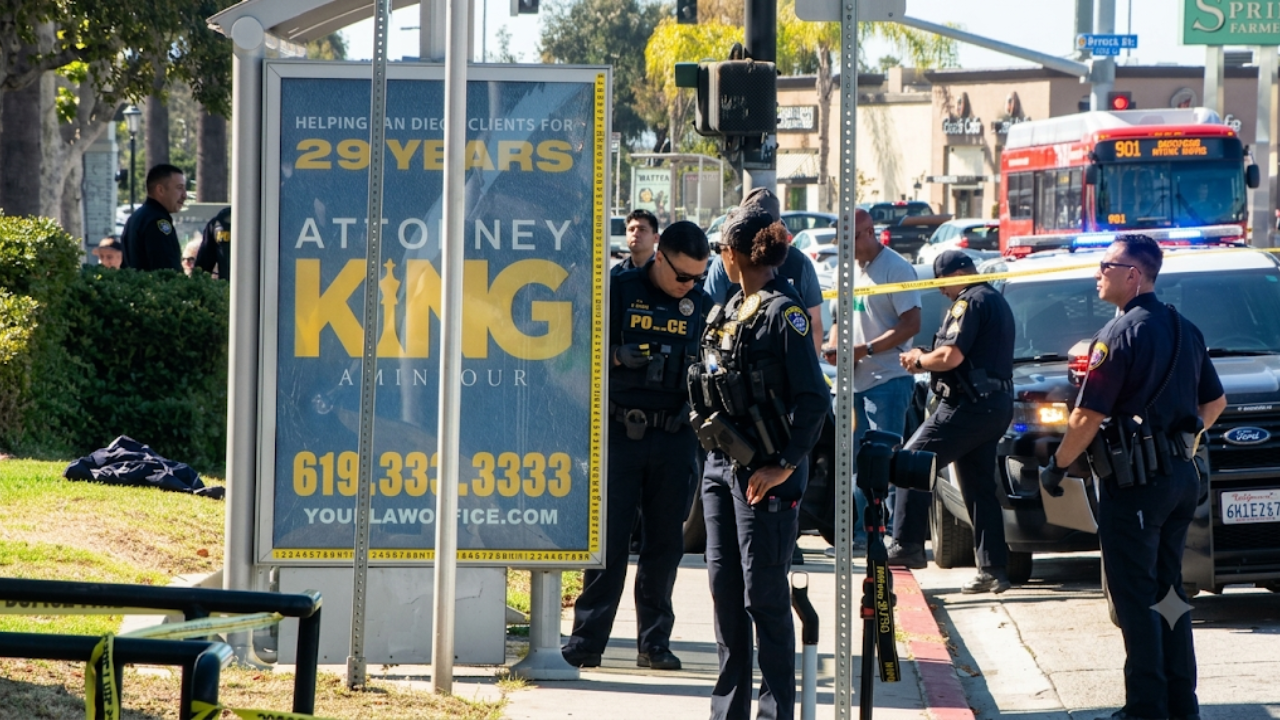
Tensions between the Trump administration and Minnesota’s Democratic leadership escalated earlier this year following clashes between federal immigration officers and protesters in the Minneapolis St. Paul area. The protests intensified after the fatal shootings of Renee Good and Alex Pretti by federal officers.
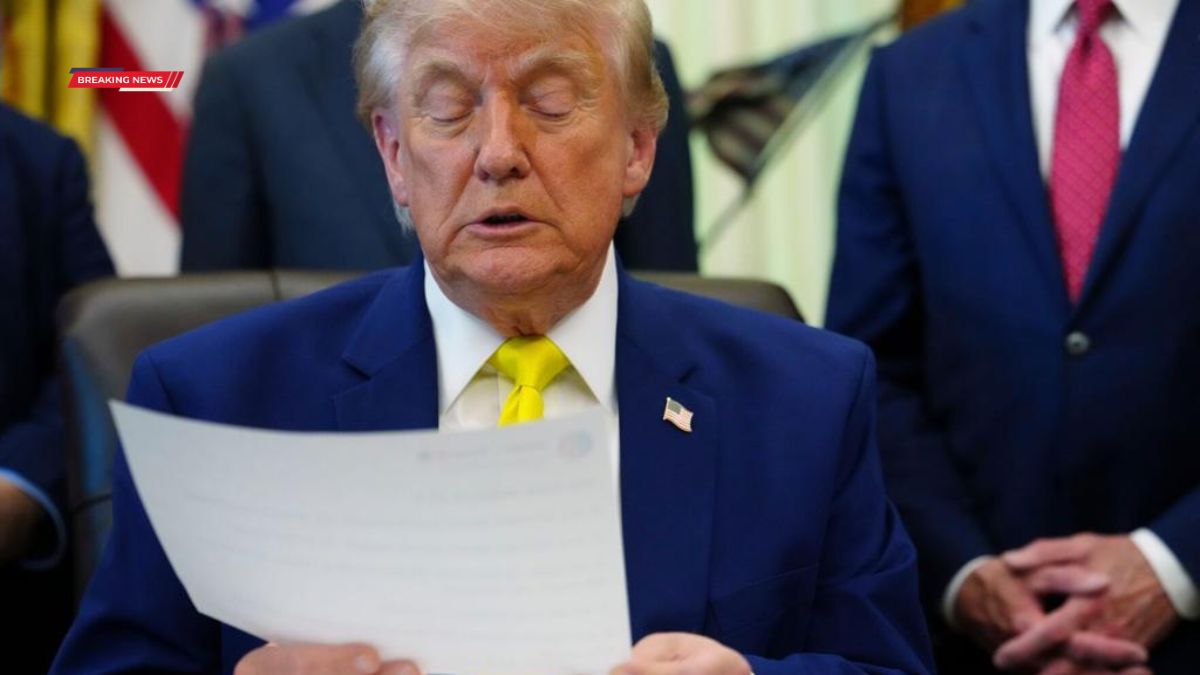
President Donald Trump accused Minnesota officials of encouraging protests that disrupted Immigration and Customs Enforcement operations and at one point threatened to invoke the Insurrection Act.
Judge’s Findings
Schiltz wrote that the connection between the subpoenas and any potential criminal violations was “extremely weak to nonexistent.” He noted that much of the material sought related to constitutionally protected speech and conduct.
The judge also emphasized that states are not legally required to use their resources to enforce federal civil immigration law.
“The Justice Department is not conducting a criminal investigation,” Schiltz wrote, “but is instead using the grand jury process for other unlawful purposes.”
Response
The Justice Department said in a statement that it “takes the unlawful obstruction of federal law enforcement operations extremely seriously” and maintained that it would continue to act in compliance with the law.
Walz called the ruling “a victory for the rule of law and our democracy,” arguing that the administration was targeting political opponents.
Ellison said the decision should concern Americans who value an independent justice system, while Mayor Her described the subpoenas as political retaliation. Frey said the investigation was never about law enforcement but about punishing officials for speaking on behalf of their constituents.
Broader Context
The ruling is the latest judicial rebuke of Justice Department actions under the Trump administration. In recent months, courts have dismissed indictments against several political opponents of the president, and grand juries have declined to return charges sought by federal prosecutors.
The decision also comes amid ongoing legal disputes between Minnesota officials and the federal government over immigration enforcement and investigations into shootings involving federal officers.
FAQs
Who was targeted by the subpoenas?
Minnesota Gov. Tim Walz and other state and local officials.
Why did the judge block the subpoenas?
He said they lacked a valid investigative purpose and were retaliatory.
What was the investigation about?

Alleged obstruction of federal immigration enforcement.
Does Minnesota have to enforce federal immigration law?
No, states are not required to enforce civil immigration law.
What happens next?
The subpoenas cannot be enforced under the judge’s ruling.