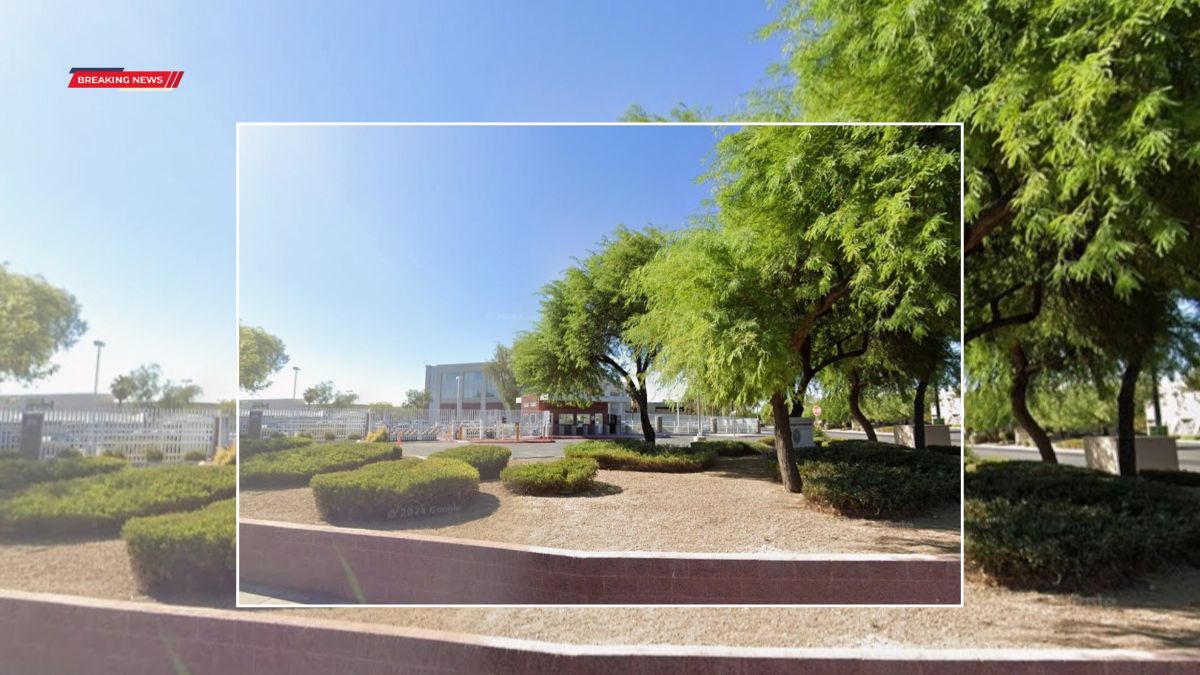
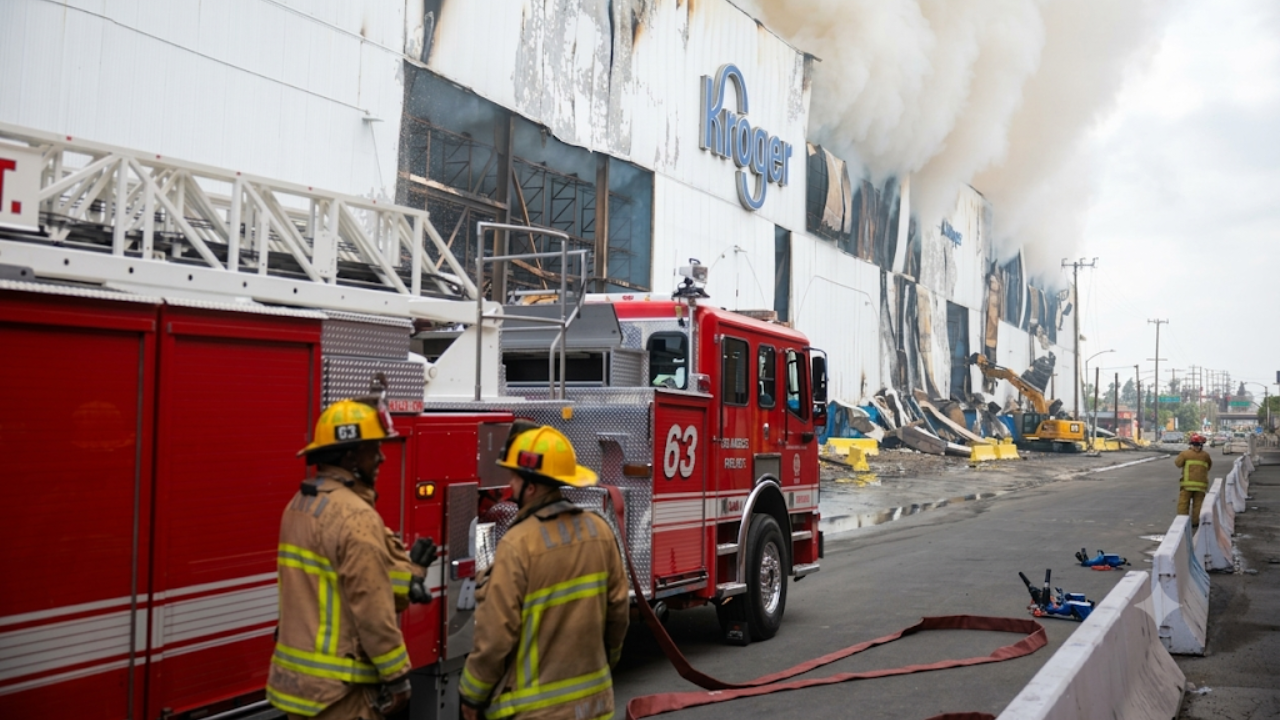
BOYLE HEIGHTS, Los Angeles, California — A massive fire at a cold storage facility in Boyle Heights continued burning six days after it first erupted, leaving many residents wondering why firefighters have been unable to fully extinguish the blaze. The prolonged emergency has required an extensive response from the Los Angeles Fire Department, with crews working around the clock to contain hotspots, monitor structural conditions, and protect surrounding neighborhoods from further danger.
The fire has become one of the most challenging industrial incidents faced by Los Angeles firefighters in recent months. Thick smoke, difficult building conditions, and the unique design of the cold storage facility have complicated suppression efforts. While authorities have made progress in controlling portions of the fire, officials say the structure continues to present significant obstacles that prevent a rapid resolution.
Residents in Boyle Heights and nearby communities have closely followed developments as emergency crews remain on scene. Questions about air quality, public safety, and the long duration of the operation have drawn widespread attention, prompting fire officials to explain why extinguishing the blaze has proven so difficult.
Unique Structure Creates Major Firefighting Challenges
According to fire officials, one of the biggest reasons the blaze has continued for so many days is the design of the cold storage facility itself. Cold storage buildings are often constructed with thick insulated walls and specialized materials intended to maintain low temperatures. While effective for refrigeration purposes, these features can create significant difficulties when a fire breaks out.
The insulation materials used inside such facilities can trap heat and allow fires to smolder deep within walls, ceilings, and other hidden spaces. As a result, firefighters may extinguish visible flames only to have hotspots continue burning out of sight. The structure essentially creates concealed compartments where heat and fire can persist for extended periods.
In addition, portions of the facility have suffered severe structural damage from the fire. Officials say unstable conditions inside the building have limited the ability of crews to conduct aggressive interior firefighting operations. Safety concerns have forced firefighters to rely heavily on defensive tactics from outside the structure rather than direct attacks on the remaining fire.
Why Firefighters Have Not Entered Certain Areas
Fire officials have emphasized that firefighter safety remains the top priority during the operation. The extended exposure to extreme heat has weakened sections of the building, increasing the risk of collapse. Engineers and fire personnel continue evaluating the structure to determine which areas can be accessed safely.
Because of these dangers, crews have had to carefully balance fire suppression efforts with safety considerations. Entering unstable portions of the facility could place firefighters at unacceptable risk. Instead, responders have focused on cooling the structure, preventing fire spread, and attacking hotspots from exterior positions whenever possible.
Another challenge involves locating hidden pockets of fire. Thermal imaging equipment has been used to identify areas retaining heat, but officials note that deeply embedded hotspots can be difficult to reach. Firefighters must often remove sections of material and conduct extensive monitoring before determining that an area is fully extinguished.
The complexity of the operation has required significant manpower and resources. Firefighters have remained on scene continuously, rotating personnel while maintaining suppression efforts and monitoring conditions throughout the facility.
Community Impact and Environmental Concerns
The ongoing fire has affected residents, businesses, and commuters in the Boyle Heights area. Smoke from the facility has periodically drifted into nearby neighborhoods, prompting air quality concerns and public health advisories. Officials have encouraged residents to stay informed about changing conditions and follow recommendations issued by emergency management agencies.
Environmental specialists have also been monitoring the incident to evaluate potential impacts from smoke and debris. Industrial fires can produce a variety of airborne particles, making air quality monitoring an important component of the response. Authorities continue collecting data and communicating findings to the public.
Local businesses near the facility have experienced disruptions due to road closures, emergency operations, and concerns about smoke. Residents have expressed frustration over the length of the incident but have also voiced support for firefighters working under difficult conditions. Community leaders have praised emergency crews for their efforts to protect nearby homes and commercial properties.
Despite the prolonged nature of the fire, officials report that containment efforts have prevented the blaze from spreading significantly beyond the original facility. Firefighters remain focused on bringing the incident under control while minimizing risks to surrounding areas.
Fire Overview
| Detail | Information |
|---|---|
| Incident Type | Industrial Cold Storage Facility Fire |
| Location | Boyle Heights, Los Angeles, California |
| Duration | Six Days and Ongoing |
| Responding Agency | Los Angeles Fire Department |
| Primary Challenge | Hidden Hotspots in Insulated Structure |
| Building Condition | Significant Structural Damage |
| Firefighting Strategy | Exterior Defensive Operations |
| Public Concerns | Smoke, Air Quality, Safety |
| Risk Factors | Building Instability, Collapse Potential |
| Investigation Status | Ongoing |
Six days after flames first erupted at the Boyle Heights cold storage facility, Los Angeles firefighters continue battling one of the region’s most difficult industrial fires. The building’s specialized construction, hidden hotspots, and structural instability have transformed what might have been a routine suppression effort into a lengthy and complex operation.
Officials say the prolonged response is not due to a lack of effort but rather the unique challenges posed by the facility itself. Firefighters must proceed carefully to avoid injuries while ensuring that concealed fire pockets do not reignite and spread. The combination of safety concerns and difficult access conditions has significantly slowed progress.
As crews remain on scene, authorities continue monitoring air quality, evaluating structural conditions, and working toward full extinguishment. Although residents are eager to see the fire finally brought under control, officials stress that patience and caution are essential when dealing with a blaze of this magnitude and complexity.
FAQ’s:
Where is the cold storage facility located?
The facility is located in Boyle Heights, a neighborhood in Los Angeles, California.
Why has the fire lasted so long?
The building’s insulated construction and hidden fire pockets have allowed hotspots to continue burning deep inside the structure.
Why can’t firefighters simply enter the building?

Severe structural damage and collapse risks have made certain areas unsafe for interior firefighting operations.
Has the fire affected nearby residents?
Yes. Smoke, air quality concerns, and temporary disruptions have affected residents and businesses near the facility.
Is the fire completely contained?
No. Firefighters continue working to extinguish remaining hotspots and monitor conditions at the site.