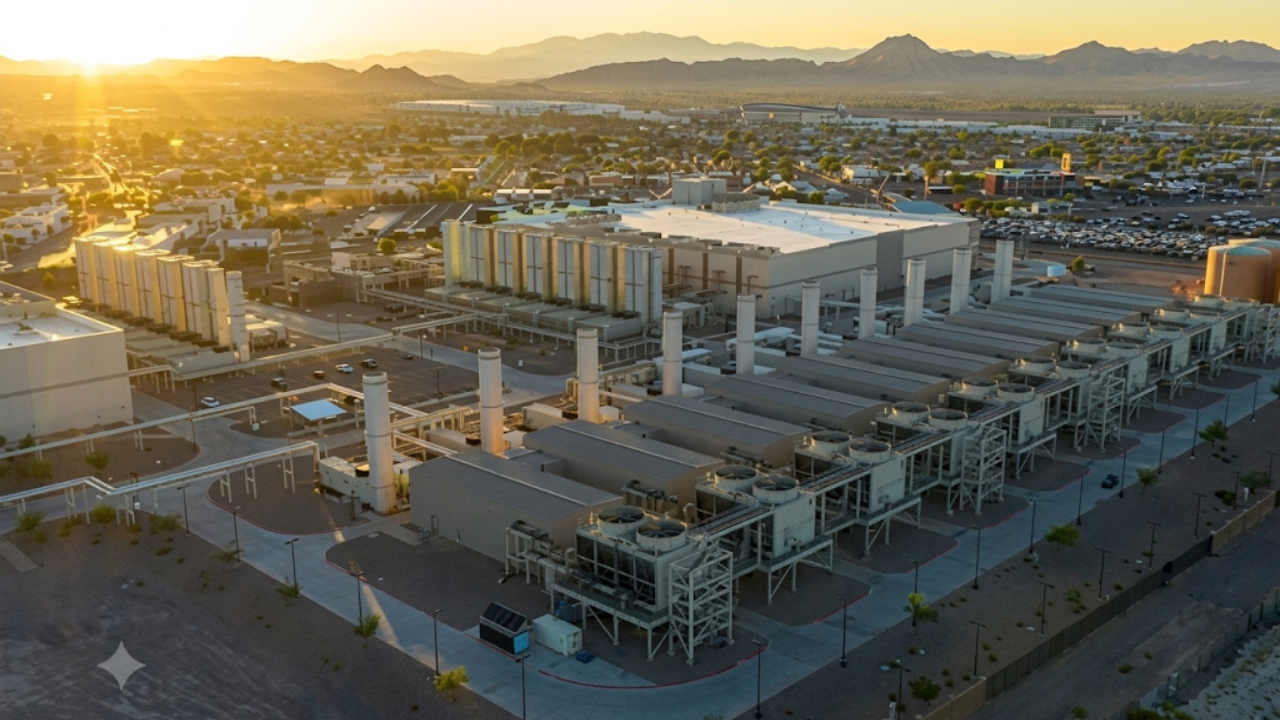
LAS VEGAS, Nevada — The national debate over the rapid growth of data centers has officially reached Southern Nevada as developers, utility providers, government officials, environmental advocates, and local residents weigh the potential benefits and drawbacks of new facilities planned for the region. Driven by the explosive growth of artificial intelligence, cloud computing, cryptocurrency operations, and digital services, data centers have become one of the fastest-growing sectors in the United States. While supporters argue these projects bring investment, jobs, and technological development, critics warn about their enormous demand for electricity, water, and land resources. As Southern Nevada explores opportunities to attract technology infrastructure, the community is increasingly confronting the same questions being asked across the country.
Why Data Centers Are Expanding Across the Country
Data centers serve as the backbone of the modern digital economy, storing and processing information for everything from streaming services and social media platforms to artificial intelligence systems and financial transactions. As businesses and consumers generate more digital data than ever before, demand for large-scale computing facilities has surged dramatically.
The rise of artificial intelligence has accelerated this trend even further. AI applications require vast computing power, leading technology companies to invest billions of dollars in new facilities capable of supporting advanced processing workloads. As a result, cities and regions nationwide are competing to attract these projects while simultaneously examining their long-term impacts on local infrastructure.
Southern Nevada Emerges as a Potential Technology Hub
Southern Nevada has increasingly attracted attention from technology companies seeking locations for future expansion. The region offers significant advantages, including available land, business-friendly policies, expanding infrastructure, and proximity to major western markets such as California, Arizona, and Utah.
Economic development officials view data centers as an opportunity to diversify Nevada’s economy beyond tourism, gaming, and hospitality. Supporters argue that attracting technology investment could strengthen economic resilience, create construction jobs, and generate long-term tax revenue. These potential benefits have made data center development an important topic among local policymakers and business leaders.
Concerns Over Energy and Water Consumption
One of the biggest concerns surrounding data centers involves their enormous consumption of electricity and water. Modern facilities operate around the clock and require substantial power to run servers, cooling systems, and network infrastructure.
In a desert region like Southern Nevada, water use has become a particularly sensitive issue. Environmental advocates and residents question whether large-scale facilities can operate sustainably amid ongoing concerns about drought conditions and long-term water availability in the Colorado River Basin. Energy demand is also under scrutiny, as utility providers work to balance growing consumption while maintaining reliability and pursuing renewable energy goals.
Supporters Point to Economic Opportunities
Proponents of data center development argue that the facilities can provide meaningful economic benefits. Construction projects often generate hundreds of temporary jobs while creating demand for contractors, engineers, electricians, and skilled trades workers.
Supporters also note that data centers contribute to local tax bases and can attract additional technology-related investment. Some business leaders believe the presence of advanced digital infrastructure could encourage other companies to establish operations in Southern Nevada, potentially creating a broader technology ecosystem in the region.
Critics Question Long-Term Community Benefits
While economic development advocates highlight investment opportunities, critics question whether data centers provide enough permanent employment relative to their size and resource consumption. Many modern facilities are highly automated and require relatively small workforces once construction is complete.
Community advocates argue that local governments should carefully evaluate whether incentives offered to attract data centers provide sufficient returns for taxpayers. Some residents have also expressed concerns regarding land use, environmental impacts, and the potential strain placed on existing infrastructure.
Artificial Intelligence Driving New Demand
Artificial intelligence has become one of the most significant factors behind the nationwide expansion of data centers. Training and operating AI systems require immense computational resources, leading technology companies to rapidly increase server capacity.
Industry experts believe demand for AI-related infrastructure will continue growing for years. As companies race to develop more powerful AI tools, data centers are becoming critical assets in the global technology economy. This trend is expected to influence development decisions throughout Southern Nevada and other regions competing for investment.
Nevada’s Energy Future Under the Spotlight
The discussion surrounding data centers has also renewed focus on Nevada’s broader energy strategy. Policymakers and utility providers must determine how future electricity demand will be met while supporting economic growth and environmental goals.
Some experts argue that Nevada’s abundant solar resources position the state well to support energy-intensive industries. Others caution that rapid development could require major infrastructure investments, including transmission upgrades and expanded generation capacity. These considerations are expected to remain central to future discussions about data center projects.
Local Governments Face Difficult Decisions
County and municipal leaders throughout Southern Nevada may increasingly face decisions regarding zoning approvals, infrastructure planning, and development incentives for data center proposals. These choices require balancing economic development goals with community concerns and environmental considerations.
Officials are expected to evaluate factors such as job creation, tax revenue, utility demands, traffic impacts, and long-term sustainability before approving major projects. Public input will likely play a significant role as additional proposals move through the review process.
Southern Nevada’s Place in the National Debate
The issues now being discussed in Southern Nevada mirror conversations taking place across the United States. Communities from Virginia to Texas, Arizona, and California are grappling with similar questions about balancing technological growth with resource management.
As demand for digital infrastructure continues expanding, Southern Nevada’s experience could become part of a larger national conversation about how and where future data centers should be built. The region’s unique environmental conditions make the debate especially significant as stakeholders seek solutions that support both innovation and sustainability.
Key Facts About the Data Center Debate
| Category | Details |
|---|---|
| Location | Southern Nevada |
| Industry | Data Centers and Technology Infrastructure |
| Main Driver | Artificial Intelligence and Cloud Computing |
| Key Benefits | Investment, tax revenue, economic diversification |
| Main Concerns | Water use, energy demand, environmental impact |
| Stakeholders | Residents, developers, utilities, officials |
| Economic Impact | Construction jobs and technology investment |
| Resource Requirements | Electricity, cooling systems, water |
| National Trend | Rapid expansion of AI-related infrastructure |
| Current Status | Ongoing debate and planning discussions |
The growing debate over data centers in Southern Nevada reflects a broader national discussion about technology, sustainability, and economic development. As artificial intelligence and digital services drive unprecedented demand for computing infrastructure, communities must decide how to balance opportunities for growth with concerns about resource consumption and environmental impacts.
For Southern Nevada, the stakes are particularly significant. The region has an opportunity to attract major investment and strengthen its role in the technology sector, but it must also address legitimate concerns regarding water availability, energy demand, and long-term community benefits. As new proposals emerge and discussions continue, the decisions made today could shape the region’s economic and technological future for decades to come.
FAQ’s:
What is a data center?
A data center is a facility that houses computer servers and networking equipment used to store, process, and distribute digital information.
Why are data centers expanding so rapidly?
Growth in cloud computing, online services, and artificial intelligence has dramatically increased demand for computing infrastructure.
Why is Southern Nevada being considered for data centers?

The region offers available land, business-friendly policies, growing infrastructure, and proximity to major western markets.
What concerns do residents have?
Many concerns focus on electricity usage, water consumption, environmental impacts, and whether projects provide enough long-term community benefits.
How does artificial intelligence affect data center demand?
AI systems require massive computing power, making data centers essential for training and operating advanced AI technologies.