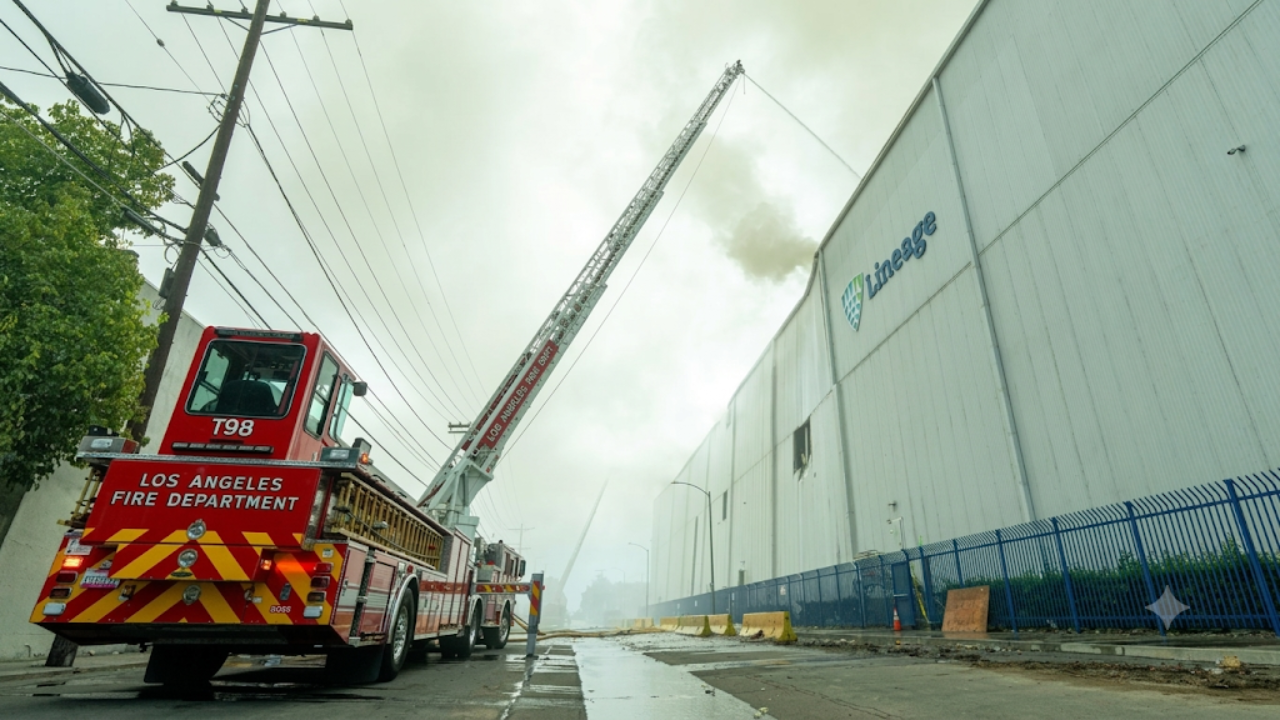
BOYLE HEIGHTS, Los Angeles, California — As firefighters continue battling the massive warehouse fire in Boyle Heights, many residents have been left confused by differing air quality readings reported by various monitoring systems. While some sensors indicated unhealthy conditions, others showed moderate or even acceptable air quality levels, leading to questions about which measurements are most accurate and whether nearby communities face health risks.
Environmental experts, air quality specialists, and public health officials say the differing readings are not unusual during a large industrial fire. Factors such as monitor location, wind direction, smoke density, pollutant type, and the technology used by monitoring systems can all influence reported results. As concerns about smoke exposure continue, authorities are working to provide accurate information to residents while monitoring conditions around the clock.
Massive Fire Produces Complex Air Pollution Conditions
The Boyle Heights fire generated thick plumes of smoke visible across much of Los Angeles. The burning warehouse released a mixture of particles and gases into the atmosphere, creating rapidly changing environmental conditions throughout the area.
Experts explain that smoke from large industrial fires behaves differently than pollution from everyday traffic or manufacturing. The concentration of pollutants can change significantly within a short distance, meaning one neighborhood may experience poor air quality while another nearby area records much lower pollution levels.
Why Air Quality Monitors Show Different Results
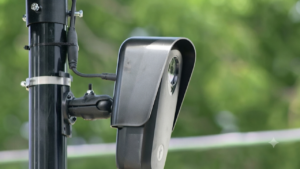
One of the main reasons readings vary is because monitoring devices are located in different places. Government-operated stations often measure regional air quality, while smaller community sensors may capture conditions at a much more localized level.
Air quality specialists note that smoke plumes do not spread evenly. A monitor directly beneath a smoke path may report hazardous conditions, while another station just a few miles away may detect far fewer pollutants. This difference can make readings appear inconsistent even when both systems are functioning correctly.
Wind Conditions Play a Major Role
Meteorologists say changing wind patterns significantly affected air quality readings during the Boyle Heights fire. Wind speed and direction influence how smoke travels and where pollutants accumulate.
At certain times, smoke drifted toward residential neighborhoods and commercial districts, causing temporary spikes in pollution readings. As winds shifted, those same areas experienced cleaner conditions while other locations saw increases in airborne particles. These constant changes contributed to the varying reports observed throughout the day.
Different Monitors Measure Different Pollutants
Another factor is that air quality devices do not always measure the same contaminants. Some monitors primarily track fine particulate matter known as PM2.5, while others focus on ozone, carbon monoxide, nitrogen dioxide, or additional pollutants.
Because industrial fires release a complex mix of substances, one monitoring station may detect elevated particle levels while another highlights different pollutants. Experts emphasize that understanding which pollutants are being measured is essential when interpreting air quality data.
Public Agencies Continue Monitoring Conditions
Multiple agencies have been involved in monitoring conditions surrounding the Boyle Heights fire. Environmental regulators, local health departments, emergency management teams, and air quality agencies have all been collecting information to assess potential health impacts.
Officials say continuous monitoring helps authorities identify changing conditions and issue recommendations when necessary. Data gathered from multiple sources provides a broader understanding of air quality across the region rather than relying on a single monitoring location.
Health Concerns Remain a Priority
Public health experts stress that smoke exposure can affect individuals differently depending on age, medical conditions, and proximity to the fire. People with asthma, respiratory illnesses, heart conditions, and other health concerns may be especially vulnerable.
Officials encouraged residents experiencing irritation, breathing difficulties, or other symptoms to limit outdoor activity and follow health guidance. Authorities also recommended keeping windows closed and using air filtration systems when possible during periods of elevated smoke.
Residents Express Frustration Over Mixed Information
Many Boyle Heights residents reported confusion after seeing conflicting air quality information from different websites, applications, and monitoring networks. Some residents questioned whether the area was safe while others sought clarification regarding potential health risks.
Experts acknowledge that conflicting numbers can create uncertainty. However, they emphasize that differences often reflect localized conditions rather than errors. Understanding how and where data is collected can help explain why readings may not always match.
Technology Differences Affect Results
Air quality monitoring equipment varies in sophistication, accuracy, and purpose. Regulatory-grade monitors used by government agencies undergo extensive calibration and quality control procedures, while low-cost community sensors provide faster but sometimes less precise measurements.
Environmental scientists explain that both types of monitoring systems serve important roles. Government stations provide highly accurate long-term data, while community sensors offer real-time localized information that may help identify rapidly changing conditions during emergencies.
Lessons From the Boyle Heights Fire
The ongoing fire has highlighted the importance of public understanding of air quality monitoring. Experts say residents increasingly rely on smartphone apps and online platforms for environmental information, making it essential to explain how monitoring systems work.
Officials believe the incident may encourage greater investment in air quality education, improved communication strategies, and expanded monitoring networks. Better public understanding can help residents make informed decisions during future emergencies involving smoke or hazardous air conditions.
Ongoing Investigation and Environmental Assessment
While firefighters continue addressing the warehouse fire, investigators are also working to determine its cause and assess environmental impacts. Air quality monitoring remains an important component of those efforts.
Authorities will continue evaluating data collected throughout the incident to understand how pollutants moved through surrounding communities. The findings may help improve emergency response planning and environmental monitoring strategies in the future.
Key Facts About the Air Quality Concerns
| Category | Details |
|---|---|
| Incident | Boyle Heights warehouse fire |
| Location | Boyle Heights, Los Angeles, California |
| Main Concern | Differing air quality readings |
| Key Pollutants | Smoke particles, PM2.5, combustion-related emissions |
| Monitoring Sources | Government stations and community sensors |
| Factors Affecting Readings | Wind, location, monitor type, pollutant type |
| Public Health Focus | Respiratory and cardiovascular risks |
| Agencies Involved | Environmental and public health authorities |
| Investigation Status | Ongoing |
| Community Impact | Air quality concerns and public confusion |
The differing air quality readings reported during the Boyle Heights warehouse fire have generated understandable concern among residents seeking accurate information about potential health risks. Experts explain that variations in monitor locations, wind patterns, pollutant types, and monitoring technology can all contribute to differences in reported air quality data.
As emergency crews continue responding to the fire and investigators assess its environmental impact, authorities remain focused on providing timely updates and protecting public health. While differing readings may appear confusing, specialists emphasize that multiple monitoring systems together offer the most complete picture of conditions across the affected region. The incident serves as an important reminder of the complexities involved in tracking air pollution during major emergencies and the value of transparent communication between agencies and the public.
FAQ’s:
Why are air quality readings different during the Boyle Heights fire?
Different monitor locations, wind conditions, pollutant types, and technologies can produce varying readings.
Are some air quality monitors more accurate than others?
Government regulatory monitors are generally more precise, while community sensors provide valuable real-time localized information.
What pollutants are officials most concerned about?

Fine particulate matter (PM2.5) and other smoke-related pollutants are primary concerns during large fires.
Can smoke conditions change quickly?
Yes. Wind shifts and changes in fire behavior can significantly alter air quality within minutes.
What should residents do during periods of poor air quality?
Officials recommend limiting outdoor exposure, keeping windows closed, and using air filtration systems if available.