
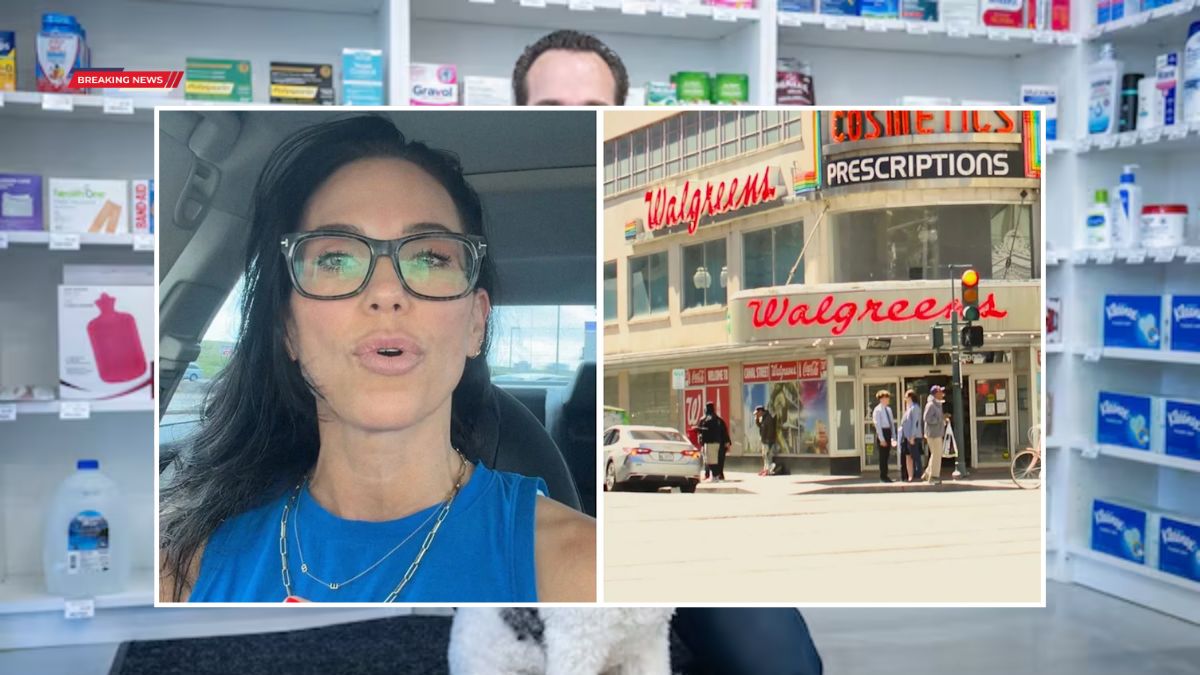
A California woman says she significantly reduced the cost of her dog’s prescription medication by asking her veterinarian for a written prescription and filling it at a retail pharmacy instead. Her experience, shared on TikTok, has sparked a broader conversation about veterinary drug pricing, consumer awareness, and how pet owners manage rising costs.
Experience
Ashley, who posts under the handle @texas.yogi, said she took her dog to the veterinarian for a routine skin condition. The diagnosis was straightforward and the prescribed treatment was a commonly used antibiotic.
When the visit concluded, she said she was charged $115 for the medication at the clinic.
“When they went to ring me out, they charged me $115 for a very common antibiotic,” Ashley said in her video. “I’m like, no.”
Instead of paying for the medication at the vet’s office, Ashley asked for a printed prescription. According to her account, the clinic provided it without issue.
She then went to Walgreens, where the same medication was priced at $30. After using a coupon available through the pharmacy’s mobile app, the final cost dropped to $20.
Savings
Ashley said her family uses similar strategies for other pet medications, including flea and tick prevention products. In those cases, she said they purchase the medications at Costco, where prices are often lower.
Several commenters on her video noted that a Costco membership is not required to use Costco’s pharmacy services, a detail some pet owners may not be aware of.
Ashley acknowledged that the tip may be obvious to some but said it was something she personally learned only after years of paying higher prices.
“Maybe that’s common knowledge,” she said. “I didn’t know that for a few years.”
Perspective
The video drew a range of reactions online, including from people who work in veterinary practices. One commenter identifying as a veterinary clinic practice manager explained that smaller clinics often face higher costs when purchasing, storing, and dispensing medications.
According to that commenter, veterinary clinics operate on a much smaller scale than large retail pharmacies and do not receive the same bulk pricing discounts. Medication prices, they said, can reflect inventory management, staff time, regulatory requirements, and the convenience of immediate dispensing.
Other commenters responded by pointing to broader economic pressures facing consumers.
One reply noted that while supporting local businesses is important, many households are currently focused on basic financial survival. Several commenters framed the issue as a choice between affordability and loyalty rather than a criticism of veterinary professionals.
Pricing
Research has shown that veterinary medication prices can vary widely. A Consumer Reports investigation published in 2013 found that markups on veterinary drugs often start at 100 percent over wholesale prices and can exceed 160 percent.
Earlier research from market research firm LHK Partners found even larger disparities for some medications, including markups of more than 500 percent on prednisone, 800 percent on tramadol, and over 1,000 percent on amoxicillin.
Industry groups note that these figures reflect differences in distribution, scale, and business models rather than uniform pricing practices across clinics.
Rights
Under the American Veterinary Medical Association’s ethics guidelines, veterinarians are required to provide a written prescription upon a client’s request. Many states also have laws that mandate this practice.
Pet owners are legally allowed to take those prescriptions to outside pharmacies, including retail chains and warehouse clubs. However, consumer advocates say many clients are unaware that this option exists unless they specifically ask.
Ashley’s experience highlights that the ability to compare prices can result in significant savings, particularly for common medications that are also prescribed to humans.
Context
Rising veterinary costs have become a growing concern for pet owners nationwide. Expenses related to medication, diagnostics, and preventive care have increased alongside inflation and supply chain pressures.
While veterinarians emphasize the value of in-clinic dispensing for convenience and continuity of care, consumer stories like Ashley’s reflect an increasing focus on cost comparison and transparency.
The Big Lead reported that it reached out to Ashley, Costco, and the American Veterinary Medical Association for comment.
FAQs
Can vets provide written prescriptions?
Yes, veterinarians must provide them upon request in most states.
Can pet prescriptions be filled at human pharmacies?
Yes, many common pet medications are available at retail pharmacies.
Do you need a Costco membership for the pharmacy?

No, Costco pharmacy services are open to non-members.
Why are vet medications sometimes more expensive?
Costs can reflect smaller-scale purchasing and in-clinic dispensing.
Are pet owners required to buy meds from the vet?
No, owners can fill prescriptions elsewhere if they choose.
















Trump Predicts Starmer Exit as Pressure Builds on UK Prime Minister