UCLA Study Finds LA Fentanyl Users Taking Opioid Doses Far Beyond Treatment Guidelines

Published On:
UCLA Study

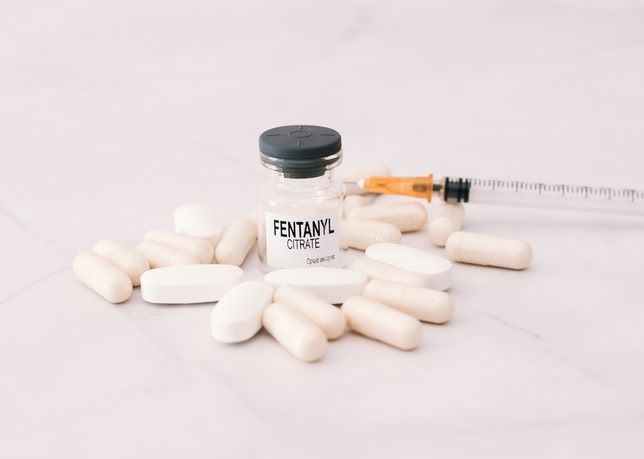
People who regularly use illicit fentanyl on the streets of Los Angeles are consuming opioid doses far higher than what addiction treatment standards typically account for, according to a new UCLA-led study. Researchers say the extreme levels of exposure may help explain why many individuals struggle to start or remain on medications for opioid use disorder.

The study estimates that regular fentanyl users in Los Angeles are taking opioid doses equivalent to nearly 8,900 milligrams of morphine per day on average. That level of tolerance, researchers say, presents major challenges for both withdrawal management and medication-based treatment.

Study

According to UCLA Health, the research was conducted by Drug Checking Los Angeles and published in the peer reviewed journal Drug and Alcohol Dependence. The study was led by researcher Morgan Godvin, with Chelsea Shover serving as senior author.

The team combined laboratory analysis of street drug samples with survey data from people who reported regular fentanyl use. Their goal was to better understand how much opioid exposure people are actually experiencing in real-world settings.

Measuring Street Drug Exposure

Researchers analyzed fentanyl and fluorofentanyl samples using liquid chromatography mass spectrometry to determine drug purity. They then paired those results with self reported information about how much fentanyl participants used each day and how they used it.

By accounting for route specific absorption and uncertainty through statistical modeling, the researchers calculated morphine milligram equivalents, a standard way of comparing opioid potency across substances.

The study examined 509 drug samples and survey responses from 47 regular fentanyl users.

Comparison to Lethal Doses

The estimated average daily exposure of roughly 8,887 morphine milligram equivalents translates to fentanyl levels that researchers say are about 60 times higher than the 2 milligrams often cited as potentially lethal for someone without opioid tolerance.

The U.S. Drug Enforcement Administration has warned that even very small amounts of fentanyl can be deadly, depending on body size and tolerance. Officials have also noted that some counterfeit pills and street drugs contain fentanyl at or above lethal levels.

Implications for Treatment

Medications such as methadone and buprenorphine are widely recognized as effective treatments that reduce overdose risk, according to the National Institute on Drug Abuse.

However, the study’s authors say the extremely high opioid tolerance observed among Los Angeles fentanyl users makes starting these medications more complex. Patients may experience severe withdrawal symptoms or find standard dosing insufficient, creating barriers to treatment engagement.

Clinics and harm reduction programs in the region are already seeing these challenges firsthand, the researchers noted.

Limitations of the Findings

The authors emphasized that the study has limitations. Participants were drawn from a voluntary, convenience sample of people using a community drug checking service, which may not represent all fentanyl users in Los Angeles.

They also cautioned that drug supply characteristics, routes of use, and adulterants vary by region. As a result, the findings should be viewed as an indicator of extremely high exposure rather than a precise measure that applies nationwide.

Funding and Next Steps

The research was supported in part by the Centers for Disease Control and Prevention’s Overdose Data to Action program, along with grants from the National Institute on Drug Abuse and the National Institutes of Health.

Senior author Chelsea Shover said the findings highlight how dramatically opioid exposure has changed in recent years and called for expanded drug checking services, broader naloxone distribution, and easier access to medications for opioid use disorder.

Researchers say understanding real world fentanyl exposure is critical for adapting treatment approaches and reducing overdose deaths in Los Angeles and beyond.

FAQs

Who led the UCLA fentanyl study?

The study was led by Morgan Godvin with Chelsea Shover.

How much opioid exposure was estimated?

About 8,887 morphine milligram equivalents per day.

How many drug samples were tested?

Why does tolerance affect treatment?

High tolerance makes medication induction more difficult.

Where was the study published?

In the journal Drug and Alcohol Dependence.

Leave a Comment