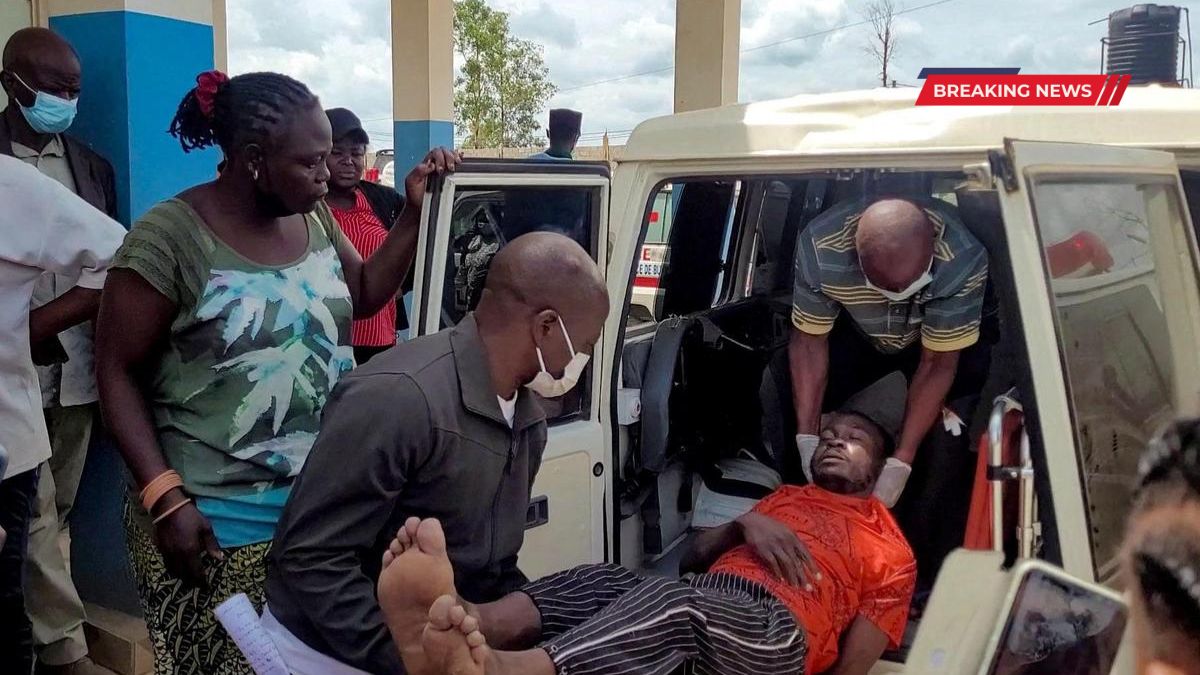
The World Health Organization has declared the ongoing Ebola outbreak in Central Africa a “public health emergency of international concern” following rising cases in the Democratic Republic of the Congo and neighboring Uganda.
Health officials said the outbreak involves the Bundibugyo strain of Ebola virus, a type for which there are currently no approved vaccines or specific therapeutics. The declaration is intended to strengthen international coordination and support response efforts in affected regions.
As of Saturday, the World Health Organization reported eight laboratory-confirmed cases and 246 suspected cases in the Ituri province of the Democratic Republic of the Congo, along with 80 suspected deaths linked to the outbreak.
Uganda has also reported two laboratory-confirmed cases, including one death, involving individuals who had traveled from the DRC.
Cases
The majority of reported infections remain concentrated in northeastern areas of the Democratic Republic of the Congo.
| Country | Confirmed Cases | Suspected Cases | Reported Deaths |
|---|---|---|---|
| Democratic Republic of the Congo | 8 | 246 | 80 suspected |
| Uganda | 2 | Not reported | 1 confirmed |
According to WHO officials, there are still major uncertainties regarding the actual scale of the outbreak.
“There are significant uncertainties to the true number of infected persons and geographic spread associated with this event at the present time,” the WHO said in a statement.
Health experts are also investigating possible transmission chains and links between confirmed and suspected cases.
Strain
The outbreak involves the Bundibugyo virus species, one of several strains of Ebola.
Unlike the Zaire strain, which has approved vaccines and treatments available in some regions, the Bundibugyo strain currently has no licensed vaccine or targeted therapeutic options.
| Ebola Strain | Vaccine Availability |
|---|---|
| Zaire Ebola Virus | Available |
| Bundibugyo Virus | No approved vaccine |
The lack of available vaccines may complicate containment efforts, particularly in remote regions with limited healthcare infrastructure.
History
This marks the 17th Ebola outbreak recorded in the Democratic Republic of the Congo since the virus was first identified in Central Africa during the 1970s.
The DRC has experienced multiple Ebola outbreaks over recent decades due to a combination of environmental, geographic, and healthcare challenges. Previous outbreaks have varied in size and severity, with some spreading across borders into neighboring countries.
The World Health Organization has previously declared international public health emergencies for major Ebola outbreaks, as well as for COVID-19 and mpox.
Response
International health agencies and local governments are increasing surveillance and response operations as the outbreak develops.
The U.S. Centers for Disease Control and Prevention said Friday that it is closely monitoring the situation and working with health officials in the DRC.
In a statement to reporters, CDC Acting Director Jay Bhattacharya said the agency remains engaged in supporting response efforts.
“CDC has extensive experience and expertise in responding to Ebola outbreaks,” Bhattacharya said during a media briefing.
He added that the agency is prepared to provide resources and apply lessons learned from previous outbreaks.
Risk
The CDC currently considers the risk to the American public to be low.
Health officials noted that Ebola spreads through direct contact with bodily fluids of infected individuals or contaminated materials. It does not spread through the air like influenza or COVID-19.
Symptoms of Ebola may include:
- Fever
- Fatigue
- Muscle pain
- Vomiting
- Diarrhea
- Internal or external bleeding in severe cases
Early detection and isolation remain critical to limiting transmission during outbreaks.
Challenges
Public health experts say several factors could complicate containment efforts, including limited healthcare access, difficulties tracking transmission chains, and cross-border movement between the DRC and Uganda.
WHO officials are continuing to assess the geographic spread of infections while coordinating with regional health ministries and international partners.
The declaration of a public health emergency of international concern is designed to mobilize funding, increase international cooperation, and strengthen disease surveillance in affected regions.
Health agencies are expected to provide additional updates as investigations continue and more testing data becomes available in the coming days.
FAQs
Where is the Ebola outbreak happening?
The outbreak is centered in the DRC and Uganda.
What Ebola strain is involved?
The Bundibugyo strain is causing the outbreak.
Is there a vaccine for this strain?

No approved vaccine currently exists.
What is the U.S. risk level?
CDC says the public risk is low.
How does Ebola spread?
Through direct contact with bodily fluids.