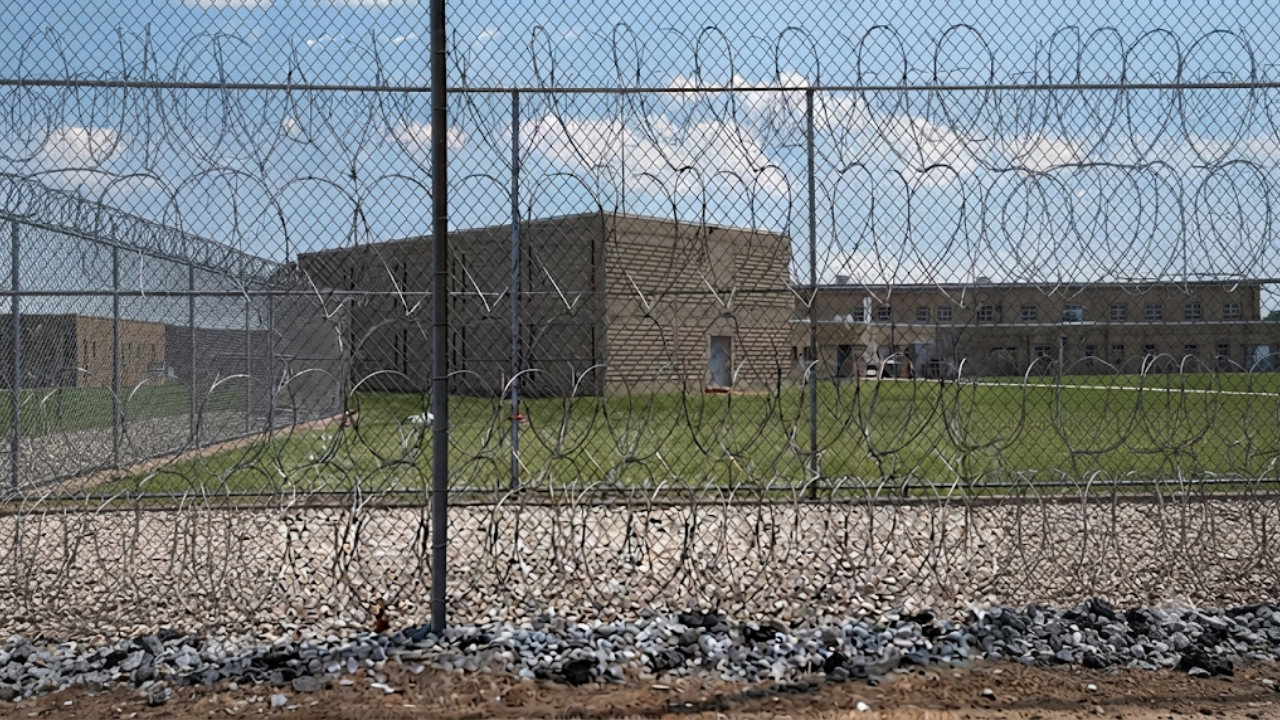
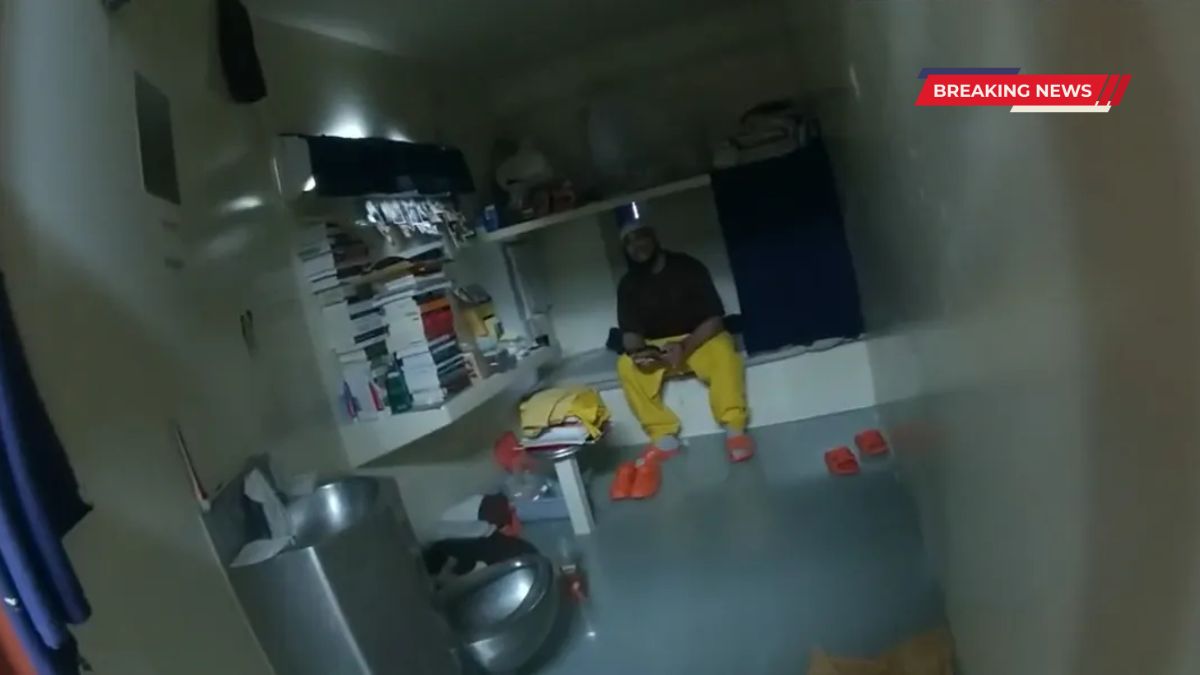
A man believed to have spent more time in Santa Rita Jail than any other inmate has been transferred to state prison after an Alameda County judge reduced his sentence but declined to order his release.
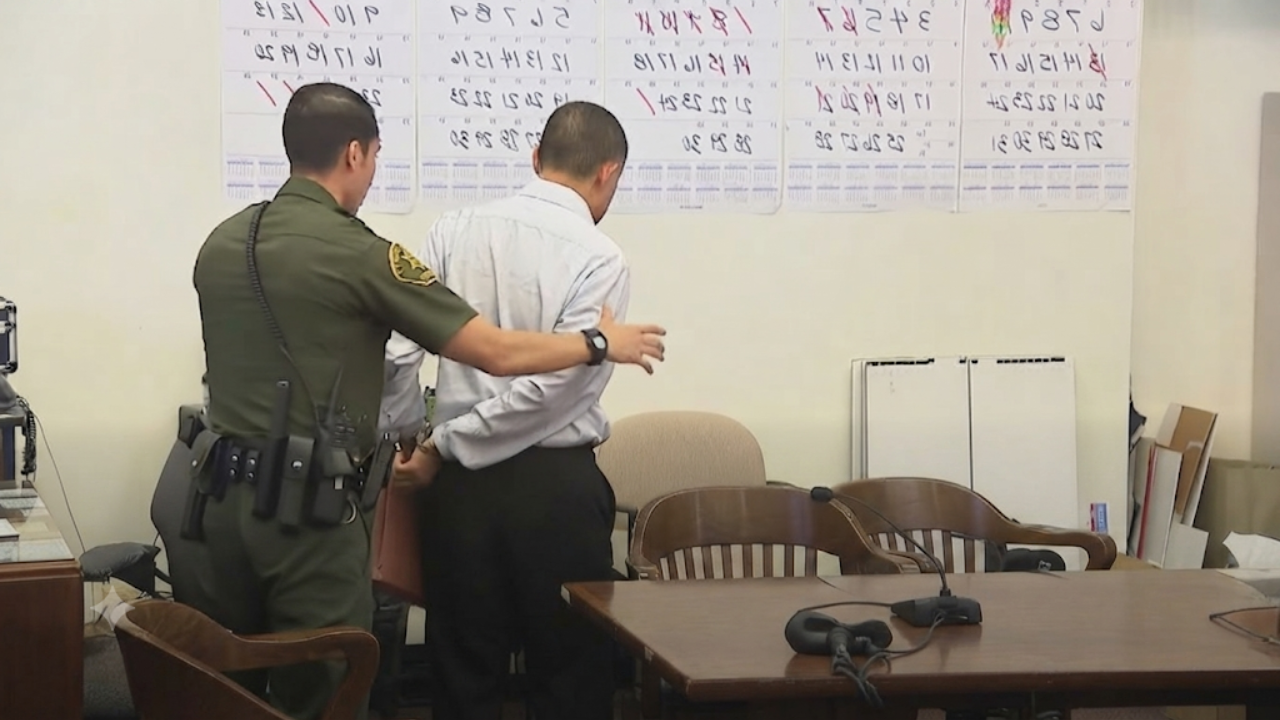
Leonard Jones, who spent approximately 13 years in Santa Rita Jail while challenging multiple criminal convictions, was resentenced this week to 46 years in prison. Shortly after the hearing in Oakland, authorities transferred him to North Kern State Prison.
Jones had originally been serving a 59-year sentence connected to a 2013 attempted murder conviction in San Leandro.
His attorney has already announced plans to appeal the new sentence.
Hearing
The resentencing hearing took place Tuesday before Alameda County Superior Court Judge Thomas Stevens.
Deputy District Attorney Edward Viera-Ducey argued that Jones should continue serving his original 59-year sentence, stating in court filings that he remained a danger to the public.
Defense attorney Daniel Shriro, however, argued that Jones had already spent more than a decade incarcerated under unusually difficult circumstances while fighting other criminal cases that were later overturned.
Shriro asked the court to release Jones immediately, citing the time already served and changes in California sentencing laws.
Instead, the judge imposed a reduced sentence of 46 years.
Sentence
Judge Stevens resentenced Jones within the mid-level range for attempted murder and removed several sentencing enhancements connected to the case.
However, the court allowed one firearm enhancement to remain in place. That enhancement, related to discharging a firearm, added 20 years to the sentence.
| Case Detail | Information |
|---|---|
| Defendant | Leonard Jones |
| Original Sentence | 59 years |
| New Sentence | 46 years |
| Time Served at Santa Rita | 13 years |
| Current Location | North Kern State Prison |
| Conviction | Attempted murder |
The attempted murder conviction stemmed from a 2013 shooting in San Leandro in which a 22-year-old man was shot in the ankle.
Appeal
Shriro criticized the resentencing decision and confirmed that an appeal has already been filed.
“I think this is the wrong sentence for a lot of reasons,” Shriro said after the hearing.
According to the defense, one major disagreement involved whether Jones’ claims qualified under California’s Racial Justice Act.
Shriro argued that prosecutors exercised implicit bias when charging Jones, who is Black, with attempted murder rather than a lesser offense such as assault with a deadly weapon.
The defense contended that the victim’s injury – a gunshot wound to the ankle – did not support such a severe charge.
Judge Stevens ultimately agreed with another judge’s earlier finding that any Racial Justice Act challenge would need to be raised separately through a habeas petition rather than during resentencing proceedings.
Trauma
The defense also argued that the court failed to properly weigh Jones’ childhood trauma during sentencing.
According to court filings, Jones experienced severe trauma at age 17 when his father killed his mother.
Shriro submitted an evaluation from a clinical social worker stating that Jones’ early experiences were highly relevant to understanding how he responded to stress and conflict later in life.
California law now requires courts to consider certain forms of childhood trauma as mitigating factors during sentencing.
The defense argued that this history should have resulted in a more substantial sentence reduction.
Fiancé Statement
Jones’ fiancé, Patience Rodak, expressed mixed emotions following the hearing.
While she acknowledged the sentence reduction, she said she remained disappointed that Jones was not released after spending more than a decade in jail.
“We believe this case reflects larger systemic issues within the criminal justice system,” Rodak said in a statement following the hearing.
She also pointed to what she described as racial disparities in sentencing practices and the impact of sentencing enhancements on Black defendants.
Rodak stated that Jones had endured difficult treatment during his incarceration but continued pursuing legal options and rehabilitation efforts.
Background
Jones became known in Alameda County because of the unusually long period he spent housed at Santa Rita Jail instead of a state prison.
Typically, jail facilities hold inmates awaiting trial or sentencing, while longer prison sentences are served within the California Department of Corrections system.
Jones remained at Santa Rita for years while challenging multiple criminal convictions through the court system.
His case also drew public attention because Alameda County previously agreed to a $7 million settlement involving the family of another inmate who died after allegedly being neglected at Santa Rita Jail.
Although unrelated to Jones’ case, the settlement intensified broader scrutiny surrounding conditions at the jail.
Next Steps
Jones is now being held at North Kern State Prison as the appeal process moves forward.
His attorney is expected to continue challenging both the sentence length and the legal rulings surrounding racial bias and trauma considerations.
Appeals involving resentencing decisions can take months or years to resolve, particularly when broader constitutional or procedural questions are involved.
For now, the transfer marks the end of Jones’ lengthy stay at Santa Rita Jail, where he spent more than 13 years awaiting the outcome of ongoing legal battles tied to his convictions and sentence.
FAQs
Who is Leonard Jones?
He is a longtime Santa Rita Jail inmate.
Why was Jones resentenced?
A judge reduced his original prison sentence.
What was Jones convicted of?

He was convicted of attempted murder.
Where was Jones transferred?
He was moved to North Kern State Prison.
Will Jones appeal the new sentence?
Yes, his attorney plans to appeal.