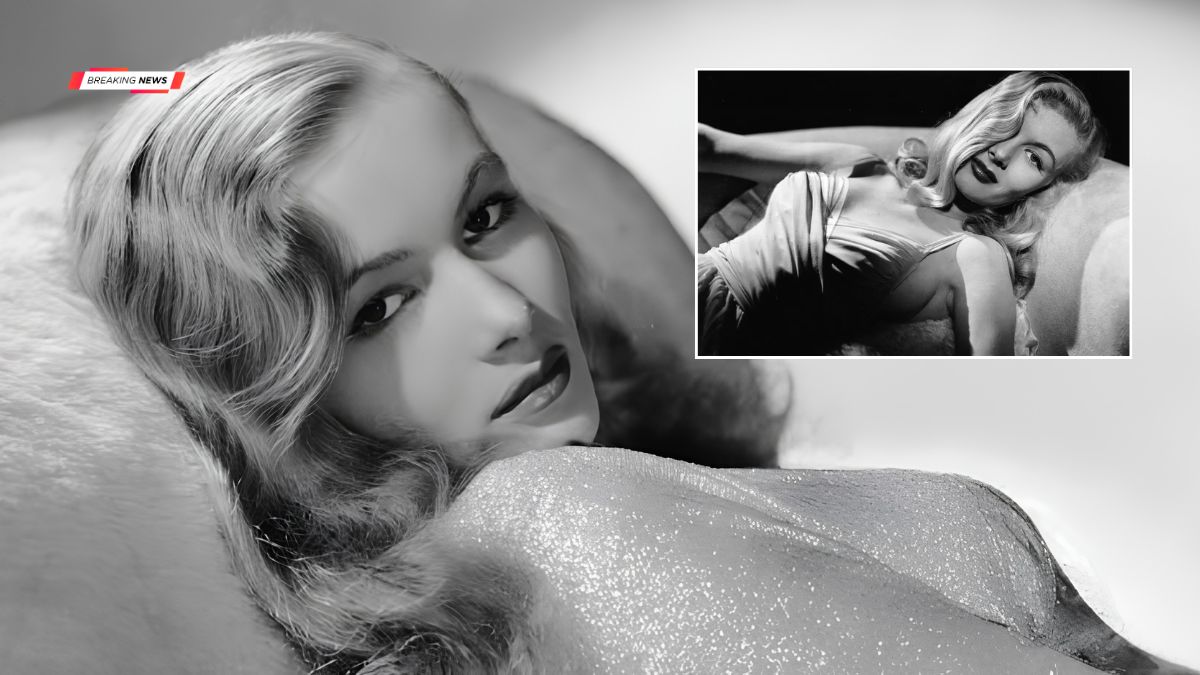
Veronica Lake became one of Hollywood’s brightest stars during the 1940s, captivating audiences with her unforgettable beauty, mysterious charm, and signature peek-a-boo hairstyle. She seemed destined for a lifetime of fame, yet her story took a dramatically different turn. Personal struggles, professional setbacks, and changing times gradually pushed her away from the spotlight.
Years later, many fans were surprised to discover the once-glamorous actress working as a waitress in New York. However, the reality behind her later years was more nuanced than the headlines suggested. Her life remains one of the most compelling stories from Hollywood’s Golden Age.
Beginnings
Born Constance Frances Marie Ockelman on November 14, 1922, in Brooklyn, New York, Veronica Lake experienced hardship early in life. Her father died in an industrial accident when she was still a child, leaving her family facing emotional and financial challenges. After relocating to Florida and later California, she developed an interest in acting and began taking professional lessons.
To establish herself in the entertainment industry, she adopted the stage name Veronica Lake. The new identity marked the beginning of a career that would quickly attract Hollywood’s attention.
Breakthrough
Lake’s major breakthrough came in 1941 with the film I Wanted Wings. Audiences immediately noticed her distinctive appearance and calm on-screen presence. Paramount Pictures quickly recognized her potential and cast her in a series of high-profile productions.
Within a short period, Veronica Lake had become one of the studio’s most recognizable stars, appearing in films that made her popular with audiences across the United States and abroad.
Fashion
One feature made Veronica Lake instantly recognizable – her famous peek-a-boo hairstyle. The flowing blonde hair that partially covered one eye became one of the defining fashion trends of the 1940s.
Women across America copied the style, making it one of the decade’s most influential beauty trends. During World War II, however, the hairstyle also created an unexpected safety concern. Women working in defense factories sometimes wore similar hairstyles around industrial machinery. Lake later participated in public campaigns encouraging workers to pin their hair back while on the job.
Success
Veronica Lake became closely associated with the film noir genre through her successful partnership with Alan Ladd. Together, they appeared in several well-known films, including This Gun for Hire and The Blue Dahlia.
She also demonstrated her versatility in lighter productions. Sullivan’s Travels and I Married a Witch showed audiences that she could perform comedy with the same confidence she brought to dramatic roles.
| Notable Films | Release Year |
|---|---|
| I Wanted Wings | 1941 |
| This Gun for Hire | 1942 |
| Sullivan’s Travels | 1941 |
| I Married a Witch | 1942 |
| The Blue Dahlia | 1946 |
Challenges
Although her public image reflected glamour and success, Lake faced increasing difficulties behind the scenes. She later said that Hollywood often treated actors as commercial products rather than individuals.
She also developed a reputation for being difficult to work with. Whether the criticism was entirely fair remains a matter of debate, but it affected how studios and colleagues viewed her and influenced future opportunities.
Tragedy
In 1943, while filming The Hour Before the Dawn, Lake suffered a serious fall on set. The accident contributed to the premature birth of her son, who died shortly afterward.
The loss deeply affected her personal life and added to the pressures she was already experiencing during one of the busiest periods of her career.
Decline
During the mid-1940s, alcohol became an increasing problem in Lake’s life. It affected both her personal relationships and her professional reliability.
At the same time, Hollywood studios began promoting a new generation of actors. Combined with her changing professional reputation, these developments led Paramount Pictures to end its relationship with one of its former leading stars.
Struggles
Although Lake continued acting throughout the 1950s, the roles became less prominent and less frequent. Financial difficulties followed as marriages ended, tax problems surfaced, and stable employment became more difficult to secure.
The glamorous lifestyle she had once enjoyed gradually gave way to a much simpler way of living.
Rediscovery
One of the most widely discussed moments in Veronica Lake’s later life came in 1962. A New York Post reporter found her working as a waitress in the cocktail lounge of Manhattan’s Martha Washington Hotel under the name Connie de Toth.
The report quickly attracted national attention and surprised many people who remembered her as one of Hollywood’s leading actresses.
Reality
Many newspaper stories suggested that Lake had become completely destitute, but she later challenged that portrayal. After readers sent her money, she returned the donations.
Lake explained that she had chosen the work because she enjoyed interacting with people and preferred earning her own living. She objected to being portrayed as someone seeking sympathy or financial assistance.
Return
The publicity surrounding the waitress story unexpectedly renewed public interest in her career. She received opportunities to appear in stage productions and television programs.
Although she never returned to the level of fame she enjoyed during the 1940s, the renewed attention reminded audiences of her lasting contribution to Hollywood history.
Reflection
In 1970, Lake published her autobiography, Veronica. In the book, she openly discussed her struggles with alcoholism, her marriages, professional disappointments, and her experiences in the film industry.
The autobiography provided readers with a personal account of the challenges that existed behind the glamour of classic Hollywood.
Finale
Lake’s final screen appearance came in the low-budget horror film Flesh Feast. Although the film received limited attention, it marked the end of a career that had once placed her among Hollywood’s biggest stars.
Years of heavy drinking seriously affected her health. In 1973, after becoming ill while in Vermont, doctors diagnosed advanced liver disease.
Veronica Lake died on July 7, 1973, at the age of 50 from acute hepatitis and acute kidney injury associated with years of alcoholism.
Legacy
Despite the challenges she faced in her later years, Veronica Lake remains one of the most recognizable figures of Hollywood’s Golden Age. Her influence continues to be seen in fashion, film noir, and popular culture. Her signature hairstyle and memorable performances remain closely associated with classic American cinema.
Her story continues to resonate because it reflects both the opportunities and the pressures of life in the studio era. Veronica Lake achieved extraordinary success at a young age, experienced a highly public career decline, and later worked to tell her own story on her own terms. Her legacy endures not only because of her films, but also because her life offers a thoughtful perspective on the realities behind Hollywood fame.
FAQs
Why was Veronica Lake famous?
She was a leading 1940s film noir actress.
What was Veronica Lake’s real name?
Constance Frances Marie Ockelman.
Why did Veronica Lake work as a waitress?

She chose the job and supported herself.
What made Veronica Lake’s hairstyle famous?
Her peek-a-boo hairstyle became a 1940s trend.
When did Veronica Lake pass away?
She died on July 7, 1973, at age 50.