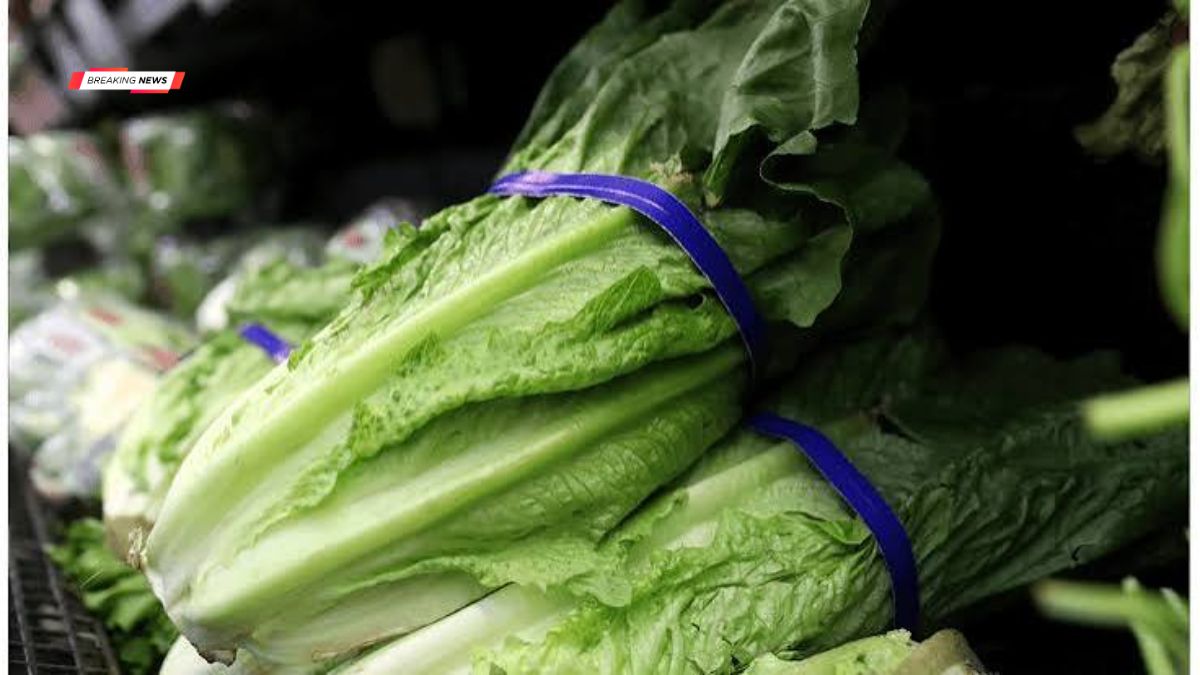
Health officials in Michigan are investigating a large outbreak of cyclosporiasis that has sickened more than 3,000 people across Michigan and Ohio. While investigators say lettuce and salad greens have emerged as a common food among reported cases, no specific product, grower, or supplier has been identified.
Officials emphasize that the investigation is ongoing and that other foods have not been ruled out.
Outbreak
As of Monday morning, Michigan had reported 2,640 confirmed cases of cyclosporiasis, including 44 hospitalizations.
Ohio has reported 361 cases since June 1, with at least 46 people hospitalized.
Combined, the two states have recorded more than 3,000 illnesses linked to the parasite.
| State | Confirmed Cases | Hospitalizations |
|---|---|---|
| Michigan | 2,640 | 44 |
| Ohio | 361 | At least 46 |
Investigation
Michigan Chief Medical Executive Dr. Natasha Bagdasarian said early findings have repeatedly pointed to lettuce as a commonly reported food among those who became ill.
However, health officials said there is currently no confirmed source, and investigators have not identified a specific type of lettuce, grower, distributor, or supplier.
The U.S. Centers for Disease Control and Prevention (CDC) said multiple states have reported an increase in Cyclospora infections in recent weeks.
As of July 10, cases had been reported in 31 states, although officials have not confirmed that all are connected to the same outbreak.
Illness
Cyclosporiasis is an intestinal infection caused by the parasite Cyclospora cayetanensis.
People typically become infected by consuming contaminated food or water. Symptoms often appear about one week after exposure and can include:
- Watery diarrhea
- Stomach cramping
- Bloating
- Dehydration
- Fatigue
Treatment generally consists of a 7- to 10-day course of the antibiotic combination sulfamethoxazole-trimethoprim.
Challenges
Health officials say tracing the source of Cyclospora outbreaks is more difficult than many other foodborne illnesses.
Unlike bacteria such as Salmonella or E. coli, the parasite is more difficult to genetically analyze, making it harder to link illnesses to a specific food source.
Investigators also face the challenge of asking patients to remember foods they ate several weeks before becoming sick.
Michigan officials are interviewing confirmed patients and reviewing grocery loyalty card records and restaurant receipts to identify possible common exposures.
Surveillance
The CDC recently reduced the scope of its FoodNet surveillance system following staffing and funding changes.
FoodNet previously tracked eight foodborne pathogens, including Cyclospora. It now routinely monitors only Salmonella and a specific strain of E. coli, although Cyclospora cases continue to be reported through other national surveillance systems.
Federal health officials said they continue to work with state agencies to identify the source of the outbreak.
Prevention
Michigan health officials recommend several precautions while the investigation continues:
- Thoroughly wash fresh produce before eating.
- Purchase whole heads of lettuce instead of pre-cut varieties when possible.
- Remove and discard the outer leaves of lettuce.
- Wash inner leaves before preparing meals.
- Cook fruits and vegetables when appropriate.
Officials also said there is currently no evidence linking the outbreak to recreational water, and no nationwide food recall has been issued.
The investigation remains active as health officials continue interviewing patients and analyzing food exposure data to determine the source of the outbreak.
FAQs
What may be causing the outbreak?
Investigators are examining lettuce and salad greens.
How many cases have been reported?
More than 3,000 cases in Michigan and Ohio.
What causes cyclosporiasis?

It is caused by the Cyclospora parasite.
Has a food recall been issued?
No nationwide recall has been announced.
What are common symptoms?
Diarrhea, cramping, bloating, and dehydration.