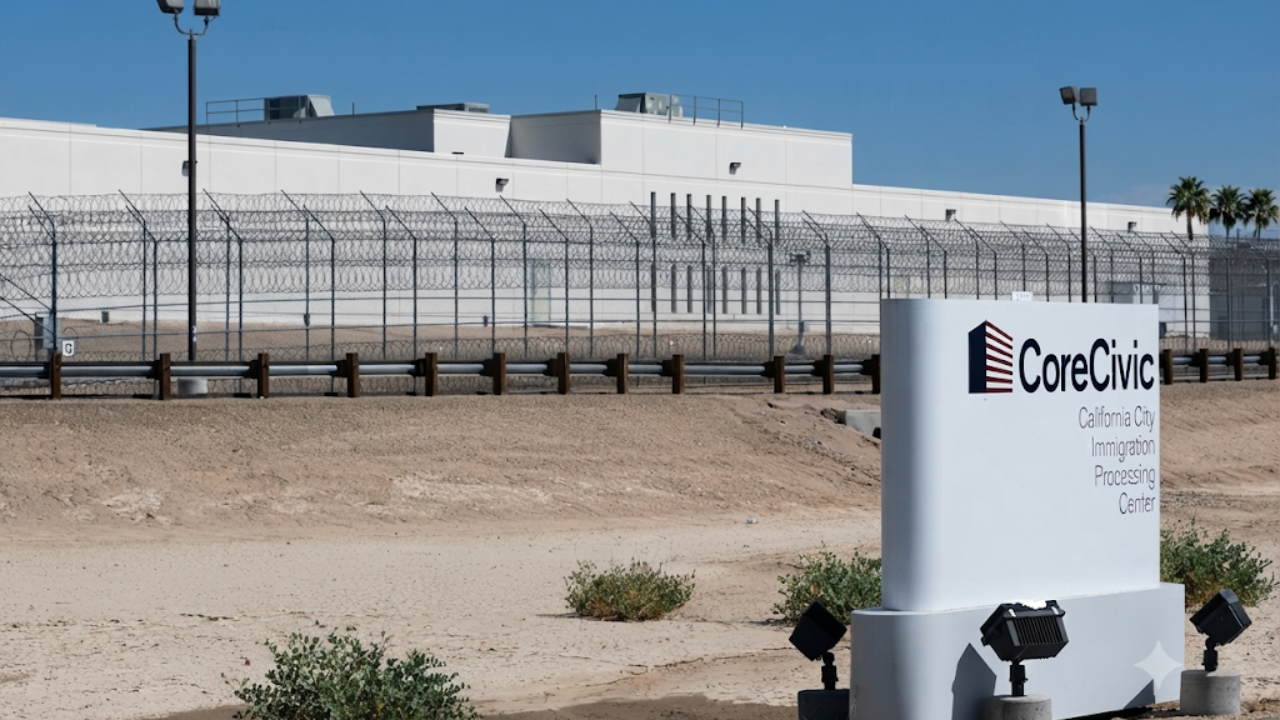
A private prison company has sold two immigrant detention centers in McFarland, California, and Calexico, California, to the federal government in a significant development involving immigration detention infrastructure. The transaction transfers ownership of the facilities from a private operator to federal authorities while allowing the centers to continue playing a role in the nation’s immigration detention system.
The sale has drawn attention from immigration advocates, policymakers, and local communities because it reflects ongoing changes in how detention facilities are owned and managed. Although the ownership structure has changed, federal officials are expected to continue determining how the facilities will operate under existing immigration enforcement policies.
Federal Government Takes Ownership of Two Facilities
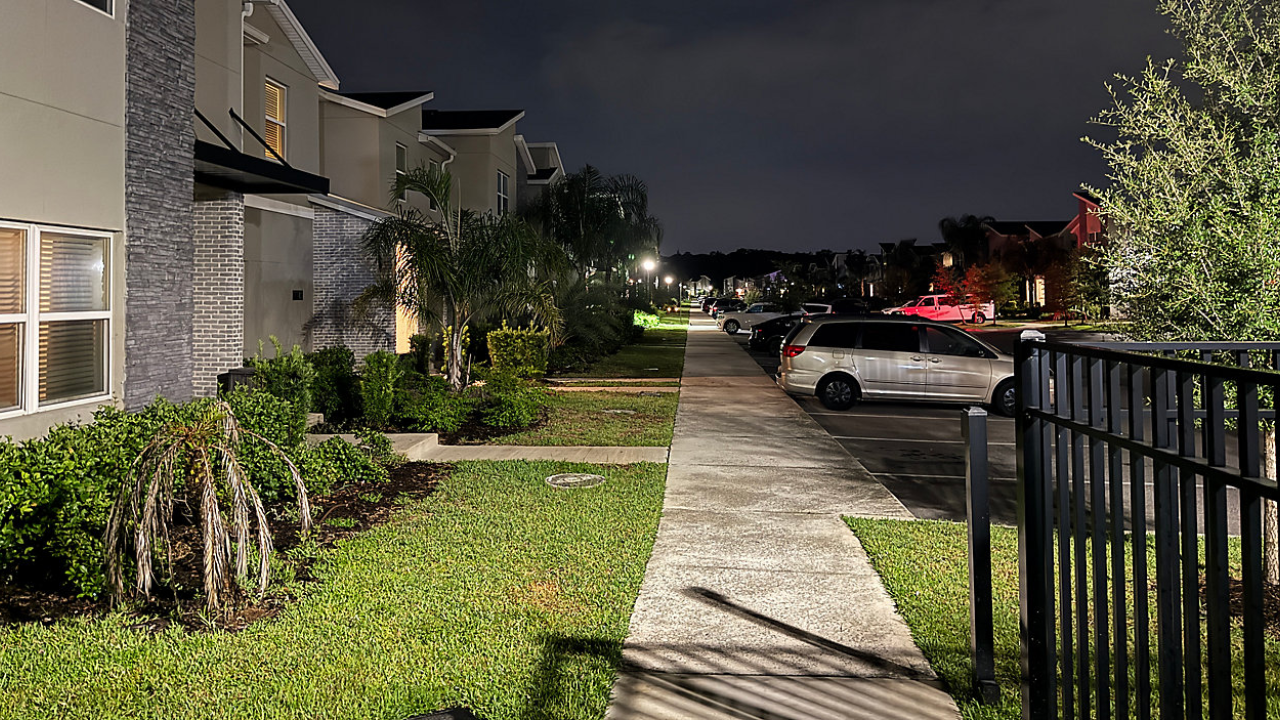
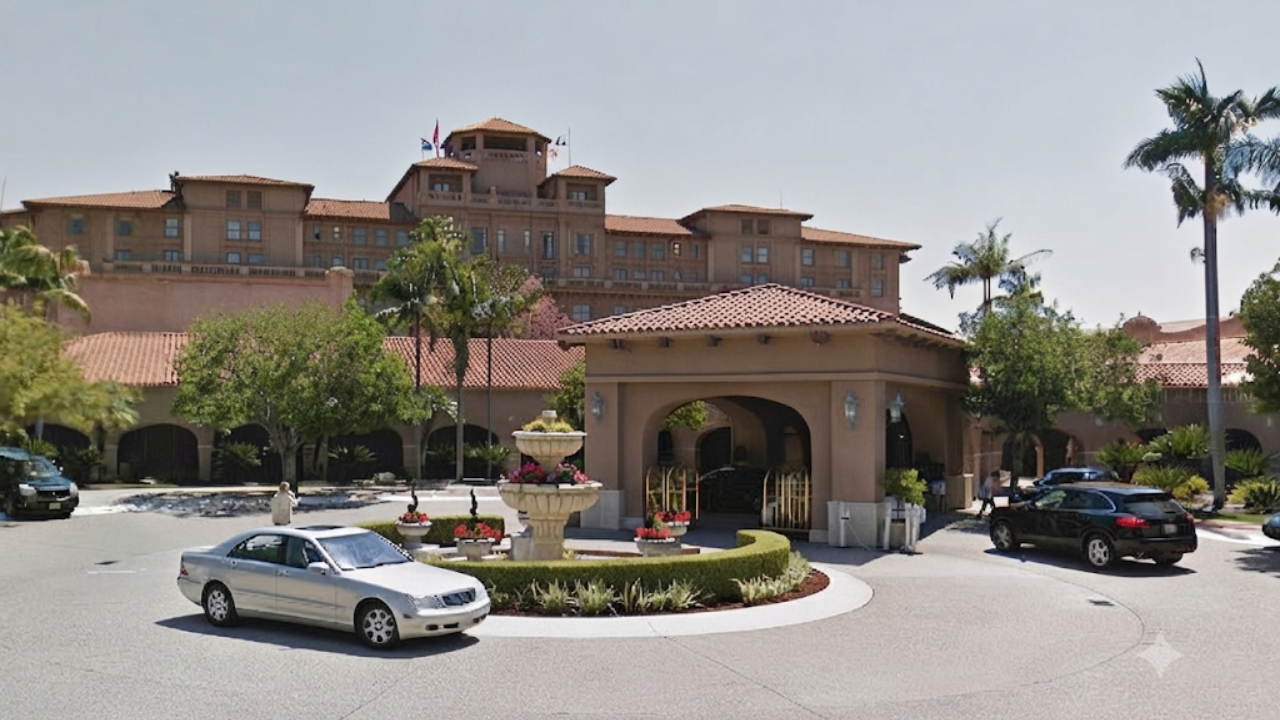
The two detention centers involved in the transaction are located in McFarland, Kern County, California, and Calexico, Imperial County, California, both of which have served as immigration detention facilities for individuals held while their immigration cases proceed through the legal system. The acquisition transfers ownership from the private prison company to the federal government.
Federal officials have indicated that the facilities remain important components of immigration operations because of their locations near major transportation routes and, in the case of Calexico, close to the United States-Mexico border. The transfer of ownership is expected to provide the federal government with greater direct control over the facilities while maintaining their operational role.
Background of the Detention Centers
Both detention centers have been used for immigration detention for several years and have housed individuals awaiting immigration hearings, transfers, or other legal proceedings. Like many immigration detention facilities across the country, they have periodically been the subject of public debate regarding detention policies, facility conditions, and the role of private companies in managing correctional institutions.
Supporters of federal ownership argue that direct government control may improve oversight and accountability. Others believe broader immigration policy reforms remain necessary regardless of who owns detention facilities. The sale has therefore become part of a larger national conversation about immigration enforcement and detention practices.
Reactions to the Ownership Change
The transfer has generated varied reactions from public officials, immigration advocacy organizations, and community leaders. Some observers view the sale as a practical administrative decision that ensures continued federal access to detention space. Others believe it represents a meaningful shift away from private ownership of immigration detention infrastructure.
Local communities near the facilities are also monitoring the transition because detention centers often affect employment, local economies, and government partnerships. While ownership has changed, officials have not indicated that the facilities will immediately cease operations or significantly alter their current functions.
What the Sale Could Mean Going Forward
The acquisition may influence how the federal government manages detention facilities in the future. Direct ownership can provide agencies with greater flexibility regarding maintenance, security improvements, and long-term planning without relying entirely on private property arrangements.
Immigration policy experts note that the purchase itself does not automatically change detention policies or legal procedures. Decisions involving detention capacity, immigration enforcement priorities, and facility operations remain subject to federal law, agency policies, and future administrative decisions.
Transaction Summary
| Detail | Information |
|---|---|
| Transaction | Sale of two immigrant detention centers |
| Previous Owner | Private prison company |
| New Owner | Federal government |
| Facility Locations | McFarland, California, and Calexico, California |
| Counties | Kern County and Imperial County |
| Facility Purpose | Immigration detention |
| Primary Focus | Ownership transfer |
| Policy Area | Immigration and detention operations |
| Current Status | Facilities transferred to federal ownership |
| Broader Impact | Ongoing discussion over immigration detention management |
The federal government’s purchase of two California immigrant detention centers marks a notable change in the ownership of facilities that have played an important role in immigration detention. While the transaction shifts ownership from a private company to the federal government, the facilities are expected to remain part of the nation’s immigration detention system.
The development has renewed discussion about detention policies, government oversight, and the future of immigration enforcement infrastructure. As federal agencies continue managing these facilities, policymakers, advocacy groups, and local communities will closely watch how the ownership change affects operations and broader immigration policy.
FAQ’s:
Which detention centers were sold?
The facilities are located in McFarland, California, and Calexico, California.
Who purchased the detention centers?
The federal government acquired the two immigrant detention facilities from a private prison company.
Will the facilities continue operating?

Officials have indicated that the facilities are expected to continue serving immigration detention functions under federal ownership.
Why is the sale significant?
The transaction transfers ownership from a private company to the federal government, changing who controls the facilities while contributing to broader discussions about immigration detention.
Does the ownership change alter immigration policy?
No. The sale changes ownership of the facilities but does not automatically change federal immigration laws or detention policies.