A federal judge has ruled that President Trump’s Jan. 6 pardons do not cover the man accused of planting pipe bombs outside the Republican and Democratic National Committee headquarters in Washington, D.C., clearing the way for the case to proceed.
U.S. District Judge Amir Ali denied a defense motion to dismiss the charges against Brian Cole Jr., finding that the scope of the pardons was limited to people convicted of offenses tied directly to the events of Jan. 6, 2021. Cole, the judge noted, had not been convicted and was not even charged at the time the pardons were issued.
Ruling
In a three-page opinion issued Monday, Judge Ali said the language of the pardon proclamation was clear. Even if Cole’s alleged actions were related to the broader events surrounding Jan. 6, the pardons applied only to individuals who had already been convicted of crimes connected to that day.
Ali wrote that Cole was charged months after the pardon was issued, which places his case outside the boundaries of the clemency order. The judge agreed with Justice Department arguments that the pardon did not extend to uncharged conduct discovered later.
Defense Argument
Cole’s attorneys argued that the case should be dismissed because his alleged conduct was closely tied to the same political events that culminated in the Jan. 6 attack on the U.S. Capitol. Court filings cited statements attributed to Cole in which he told the FBI he traveled to Washington to attend a protest related to the 2020 election.
The defense also pointed out that while the pipe bombs were allegedly planted on Jan. 5, 2021, they were discovered the following afternoon, on Jan. 6, as the Capitol attack was unfolding. Based on that timeline, they argued the conduct fell within the spirit and intent of the pardons.
Judge Ali rejected that interpretation, emphasizing that the legal effect of the pardon depended on its specific wording, not its broader political context.
Charges
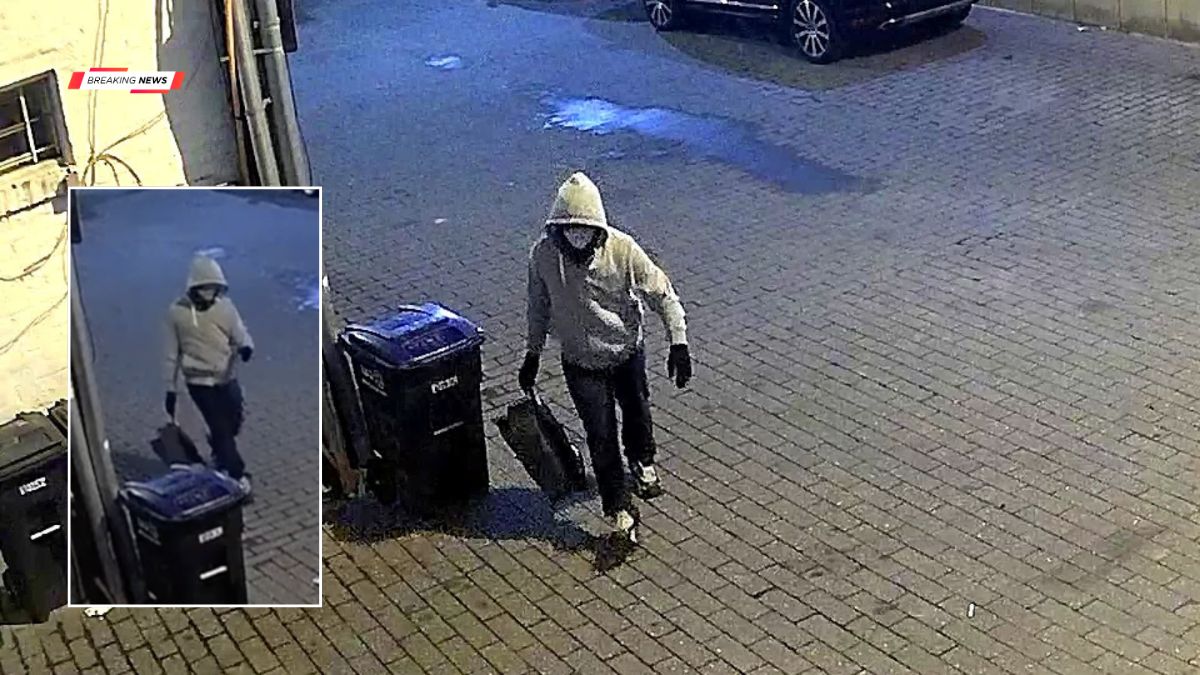
Cole was charged last year, nearly five years after the pipe bombs were placed, with interstate transportation of explosives and malicious attempt to use explosives. Authorities have said the devices did not detonate but were determined to be viable.
In April, federal prosecutors added additional counts, including terrorism-related charges and allegations involving weapons of mass destruction. Cole has pleaded not guilty to all charges.
| Key Date | Development |
|---|---|
| Jan. 5, 2021 | Pipe bombs allegedly planted |
| Jan. 6, 2021 | Devices discovered near party offices |
| Last year | Cole formally charged |
| April | Additional terrorism charges added |
| Monday | Judge denies motion to dismiss |
Pardon Context
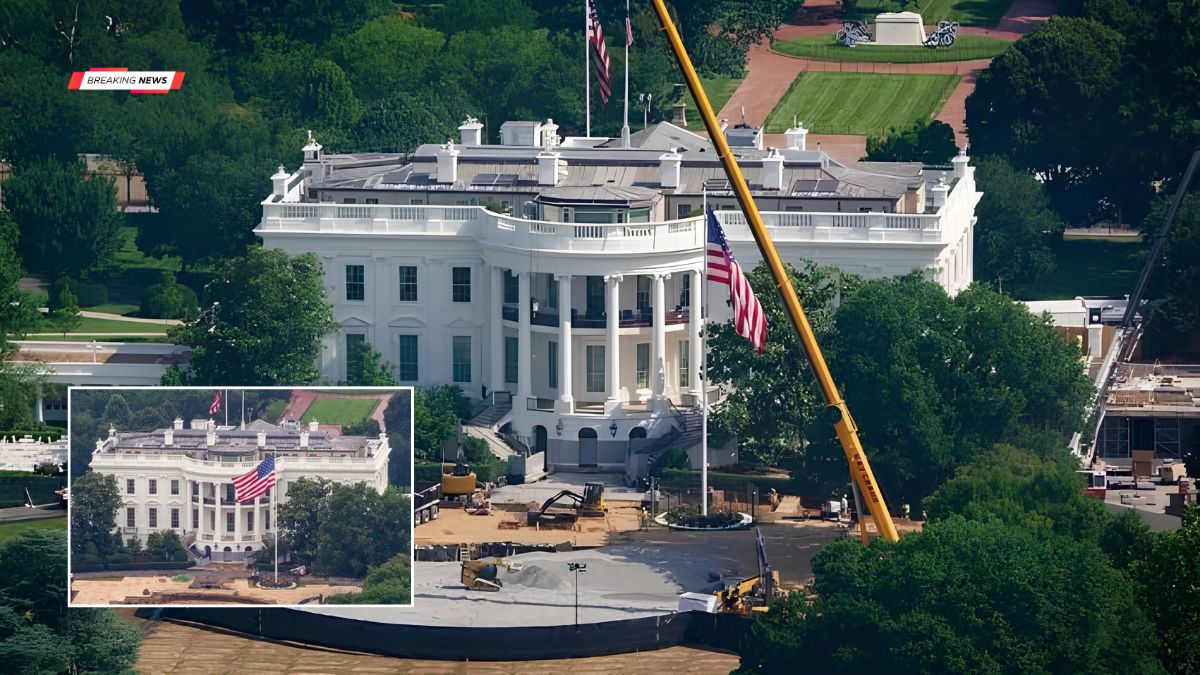
President Trump issued sweeping Jan. 6 pardons during the first hours of his return to the White House last year. The clemency covered roughly 1,500 people accused or convicted of crimes connected to the Capitol riot, ranging from unlawful entry to assaults on law enforcement officers.
The ruling in Cole’s case underscores the limits of those pardons and signals that courts are likely to scrutinize attempts to extend them beyond their stated terms.
Next Steps
With the dismissal motion denied, the case against Cole will continue in federal court. Prosecutors are expected to move forward with pretrial proceedings as they prepare to present evidence related to the pipe bombs.
No trial date has been announced, and further hearings are expected in the coming months.
FAQs
Who is Brian Cole Jr.?
He is the man accused of planting pipe bombs in Washington, D.C.
What did the judge decide?
The judge ruled Trump’s Jan. 6 pardons do not apply to Cole.
Why don’t the pardons apply?
They cover only people convicted before the pardon was issued.
What charges does Cole face?
Explosives, terrorism, and weapons-related federal charges.
Has Cole pleaded guilty?
No, he has pleaded not guilty to all charges.