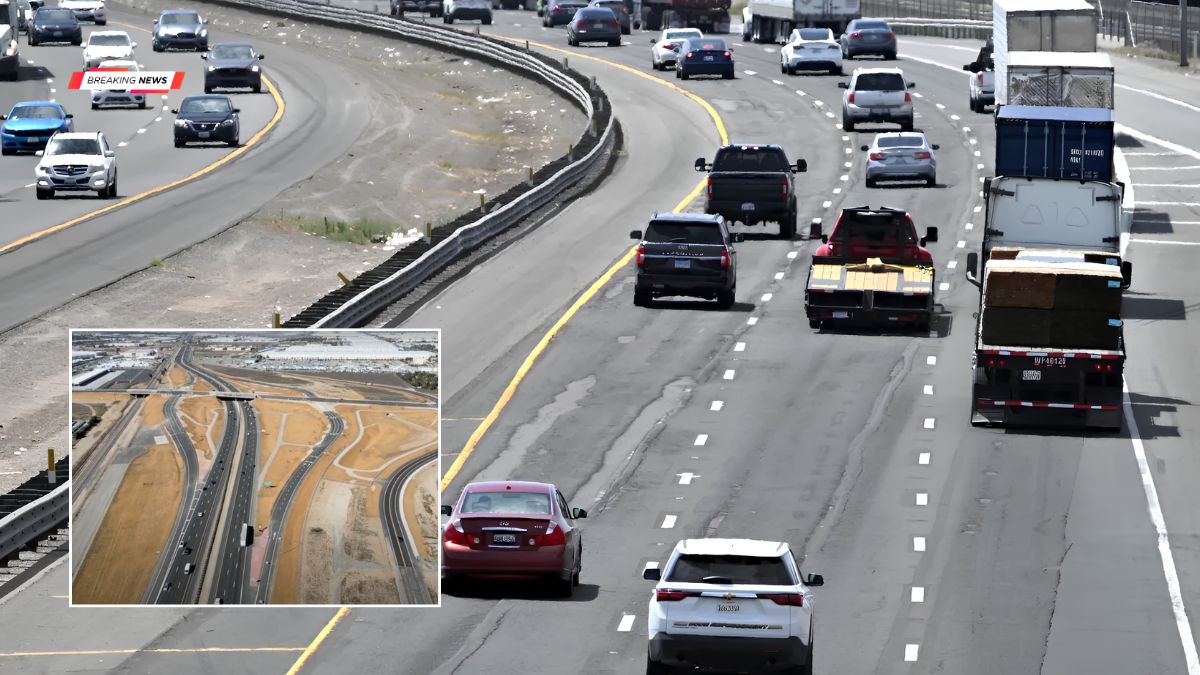

Sacramento, California, USA — California’s latest gasoline tax increase has renewed debate over fuel affordability, with critics arguing that the higher tax adds to the financial burden on motorists already paying some of the highest fuel prices in the United States. The increase has placed Governor Gavin Newsom and state lawmakers under renewed scrutiny as drivers, business groups, and political opponents question the impact of rising transportation costs on households and the broader economy.
Supporters of the tax adjustment maintain that the additional revenue is necessary to maintain and improve California’s transportation infrastructure, including highways, bridges, and local roads. Opponents, however, argue that the increase comes at a difficult time for consumers facing elevated living expenses and inflationary pressures.
The issue has become part of a broader political discussion over energy policy, transportation funding, and the balance between infrastructure investment and consumer affordability.
Gas Tax Increase Raises Costs for California Drivers
The latest adjustment to California’s gasoline excise tax means motorists are paying slightly more for every gallon of fuel purchased across the state. While the increase itself represents only a portion of the final pump price, critics argue that it contributes to California’s already high gasoline costs.
Fuel prices in California are influenced by numerous factors, including state fuel taxes, environmental regulations, refinery capacity, crude oil prices, seasonal fuel blends, transportation costs, and market supply and demand. As a result, California drivers often pay more than motorists in many other states.
For commuters who rely on personal vehicles for work, education, or daily travel, even modest increases in gasoline prices can significantly affect monthly household budgets. Businesses operating vehicle fleets also face higher operating expenses that may ultimately be passed on to consumers.
State officials emphasize that the tax adjustment follows existing transportation funding laws designed to keep pace with inflation and infrastructure maintenance needs.
Supporters and Critics Clash Over Transportation Funding
Supporters of California’s fuel tax argue that the revenue generated is essential for maintaining one of the nation’s largest transportation networks. Funding supports highway repairs, bridge maintenance, traffic safety improvements, and other critical infrastructure projects throughout the state.
Transportation officials note that maintaining roads becomes increasingly expensive due to inflation, construction costs, and growing infrastructure demands. They argue that stable funding helps reduce long-term repair expenses while improving roadway safety and reliability.
Critics, however, contend that California residents are already coping with high housing costs, insurance premiums, and overall living expenses. They argue that increasing fuel taxes places additional financial pressure on working families, small businesses, and commercial transportation companies.
Some political leaders have called for suspending or reducing the gas tax during periods of elevated fuel prices, while others advocate alternative funding mechanisms for transportation infrastructure.
Political Debate Surrounds Governor Gavin Newsom
The fuel tax increase has become another point of political disagreement involving Governor Gavin Newsom and California’s energy and transportation policies. Political opponents argue that state leaders should prioritize lowering consumer costs rather than implementing tax increases during periods of economic uncertainty.
Supporters of the governor respond that the adjustment is part of long-established funding formulas rather than a newly enacted tax policy. They also point to ongoing investments in road improvements, public transit, electric vehicle infrastructure, and climate-related transportation initiatives.
The debate reflects broader differences regarding California’s long-term transportation strategy, environmental policies, and fiscal priorities. While some lawmakers favor expanding infrastructure investment through existing fuel taxes, others propose shifting toward alternative road funding models as electric vehicle adoption continues increasing.
The discussion is expected to continue as policymakers consider future transportation funding needs.
Long-Term Outlook for California Transportation
Transportation experts note that California faces growing challenges in financing highway maintenance as fuel consumption patterns evolve. The increasing popularity of electric vehicles may gradually reduce gasoline tax revenues, prompting discussions about future road funding alternatives.
Several proposals under consideration nationally include mileage-based road user charges, vehicle registration adjustments, weight-based fees, and expanded transportation funding through other revenue sources. Each option presents unique financial, administrative, and political considerations.
In the meantime, California officials continue balancing infrastructure investment with concerns about consumer affordability. Maintaining safe highways, repairing aging bridges, and supporting economic growth remain central priorities for transportation agencies.
As fuel prices fluctuate due to changing global energy markets, the debate surrounding gasoline taxes is likely to remain an important issue for California policymakers, businesses, and motorists alike.
Key Facts
| Category | Details |
|---|---|
| Topic | California gasoline tax adjustment |
| Location | Sacramento, California, USA |
| State | California |
| Main Issue | Higher fuel costs following gas tax increase |
| Supporters’ Position | Revenue supports transportation infrastructure |
| Critics’ Position | Higher costs burden consumers and businesses |
| Affected Groups | Motorists, commuters, trucking companies, businesses |
| Funding Purpose | Roads, bridges, highway maintenance, transportation projects |
| Ongoing Debate | Transportation funding and affordability |
| Current Status | Gas tax adjustment in effect |
California’s latest gasoline tax increase has intensified discussion over how the state should balance transportation infrastructure funding with the financial pressures facing drivers. While supporters argue that the additional revenue is necessary to maintain roads and public infrastructure, critics believe the increase contributes to already high fuel prices and rising living costs.
As policymakers continue debating long-term transportation funding solutions, California motorists remain affected by a combination of fuel taxes, market conditions, environmental regulations, and global energy prices. The conversation is expected to continue as state leaders evaluate future infrastructure investments and alternative methods of financing California’s transportation system.
FAQ’s:
Where is the gas tax increase taking effect?
The adjustment applies throughout California, with state transportation policy administered from Sacramento, California, USA.
Why was the gas tax increased?
State officials say the adjustment helps fund road maintenance, bridge repairs, highway improvements, and other transportation infrastructure projects.
Why are California fuel prices generally higher?

Gasoline prices are influenced by fuel taxes, environmental regulations, refinery capacity, crude oil prices, transportation costs, and market conditions.
Who is criticizing the increase?
Political opponents, some business organizations, and consumer advocates argue that higher fuel taxes increase financial pressure on drivers and businesses.
Could California change how it funds roads in the future?
Yes. Policymakers continue discussing alternatives such as mileage-based road charges and other funding mechanisms as vehicle technology and fuel consumption patterns evolve.