
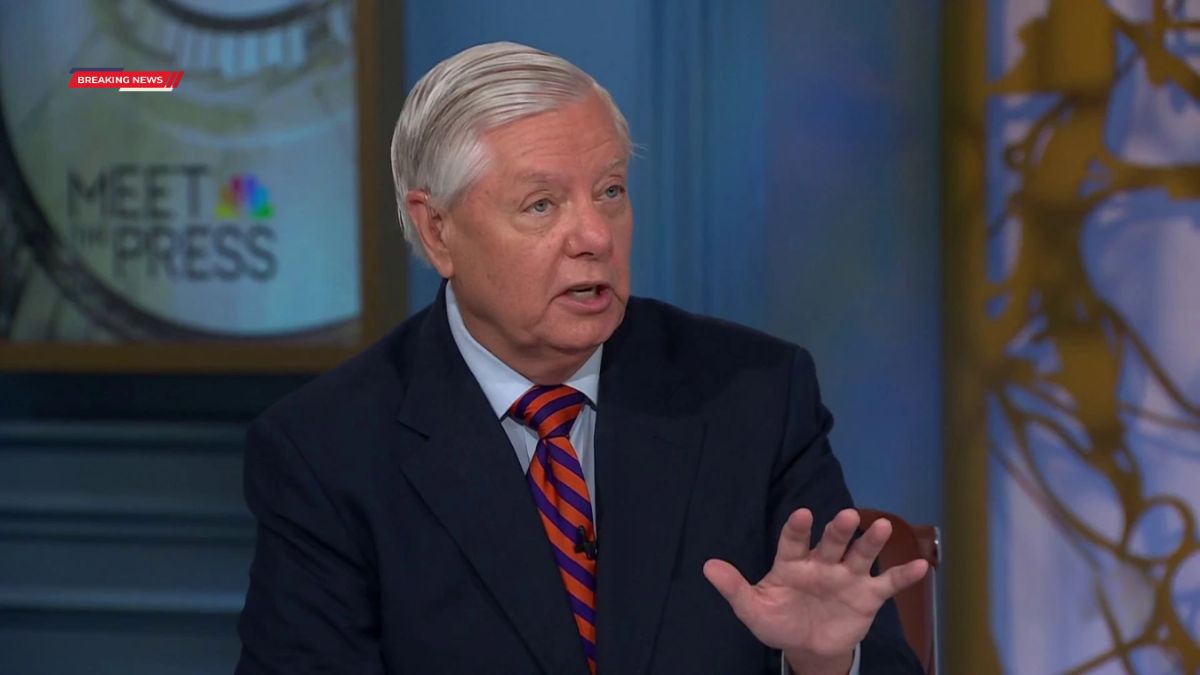
Tensions in the Middle East are rising again, with the Strait of Hormuz emerging as a central pressure point in U.S.-Iran relations. Senator Lindsey Graham has warned that the United States would use force if Iran challenges American control of the strategic waterway. His remarks, made during an appearance on CBS’ “Face the Nation,” reflect a dual-track approach that combines continued diplomacy with clear military contingency planning.
The Strait of Hormuz plays a critical role in the global economy. Any disruption to traffic through the narrow passage can quickly affect oil prices, shipping routes, and broader financial markets. Graham’s comments suggest the Trump administration is preparing for multiple outcomes as talks with Iran continue under strained conditions.
Context
Graham said the United States should continue diplomatic discussions with Iran, even though he believes those talks are unlikely to succeed. He argued that financial relief offered to Iran would not be sufficient to rebuild the country or significantly alter its political direction. According to Graham, pursuing diplomacy helps demonstrate restraint while keeping alternative options available.
He also said he spent more than four hours with President Donald Trump on June 19 discussing the situation. Based on those conversations, Graham indicated the administration has a defined plan if negotiations collapse, including direct action related to the Strait of Hormuz.
Hormuz
The Strait of Hormuz is one of the world’s most important maritime chokepoints. An estimated one-fifth of global oil consumption moves through the strait each day, linking energy producers in the Persian Gulf with international markets.
Key factors explaining its strategic importance include:
| Factor | Impact |
|---|---|
| Global oil flow | About 20% of daily oil trade |
| Energy markets | Prices react quickly to disruptions |
| Regional leverage | Significant influence for coastal states |
| Security risks | High due to narrow geography |
Because of this concentration of traffic, even limited interference can have outsized economic effects.
Threats
During the interview, Graham said the United States would respond decisively if Iran attempts to block or challenge U.S. control of the strait. He stated that American forces would secure the waterway and ensure uninterrupted passage for commercial shipping.
Graham also suggested that U.S. control could include charging transit fees and using the situation to broaden regional diplomatic arrangements such as the Abraham Accords. He said Saudi Arabia would be expected to take part in any expanded framework, further reshaping regional alignments.
Diplomacy
Despite the firm language, Graham emphasized that diplomacy remains the preferred first step. He described negotiations as a necessary effort to test whether a peaceful outcome is possible and to clarify responsibility if talks fail.
This position aligns with concerns raised by several Republican senators, including Ted Cruz, John Cornyn, and Bill Cassidy, who have publicly questioned the use of U.S. funds in dealings with Iran without clear assurances.
Iran
Iran has accused both the United States and Israel of violating ceasefire agreements. Iranian state media reported that Tehran previously restricted access to the Strait of Hormuz in response to what it described as continued Israeli military operations in Lebanon.
These actions highlight Iran’s ability to use geography as leverage. At the same time, repeated threats involving the strait risk drawing broader international opposition, particularly from countries dependent on stable energy supplies.
Markets
Financial markets remain sensitive to developments in the region. Even the possibility of disruption in the Strait of Hormuz can push oil prices higher and increase volatility in currency and equity markets.
Energy analysts note that uncertainty alone can affect pricing, as traders factor in geopolitical risk. A prolonged standoff or military escalation would likely amplify those effects.
Outlook
Graham’s remarks underscore how quickly negotiations could give way to confrontation if talks fail. The Trump administration appears focused on preventing Iran from using the Strait of Hormuz as a bargaining tool, while still keeping diplomatic channels open.
For now, discussions continue amid heightened caution. Whether diplomacy can stabilize the situation or whether stronger measures will follow remains a key question for regional security and global energy markets.
FAQs
Why is the Strait of Hormuz strategically important?
It carries about 20% of the world’s oil trade.
What did Lindsey Graham say about Iran?
He warned of military action if the strait is contested.
Is the U.S. still pursuing talks with Iran?

Yes, diplomatic efforts are continuing.
How do Hormuz tensions affect oil prices?
Even threats can push prices higher.
Why does Iran focus on the strait?
It provides economic and strategic leverage.










Trump Predicts Starmer Exit as Pressure Builds on UK Prime Minister