LOS ANGELES, California — The City of Los Angeles is moving forward with a major traffic safety initiative by contracting with Verra Mobility to launch what officials describe as the largest speed safety program in California. The program represents a significant expansion of automated enforcement technology aimed at reducing speeding-related crashes and improving road safety across high-risk corridors in the city.
City officials say the initiative is part of a broader effort to address persistent traffic fatalities and severe injuries caused by excessive speeding. Los Angeles has long struggled with dangerous road conditions, and transportation authorities have increasingly turned to technology-driven solutions to enforce speed limits and change driver behavior.
The partnership with Verra Mobility will enable the deployment of advanced speed detection systems across selected locations, marking a shift toward large-scale automated enforcement in one of the nation’s largest metropolitan areas.
What the Los Angeles Speed Safety Program Includes
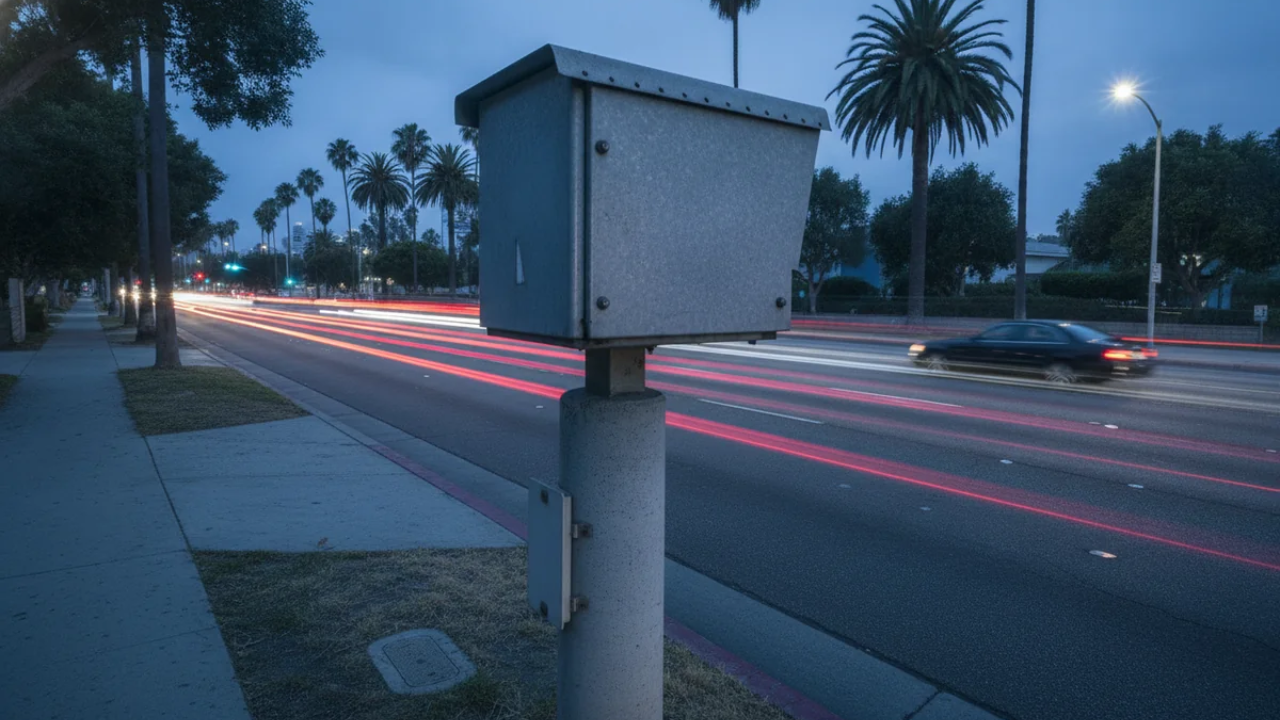
The speed safety program will introduce automated speed enforcement systems across multiple high-risk areas in Los Angeles. These systems typically use camera-based technology to detect speeding vehicles, capture evidence, and issue citations to vehicle owners.
The program is expected to target locations with historically high rates of collisions, particularly those involving pedestrians, cyclists, and vulnerable road users. City transportation planners have identified these corridors using crash data analysis, focusing on areas near schools, residential neighborhoods, and busy urban streets.
Verra Mobility, a transportation technology company specializing in traffic enforcement solutions, will support the city in deploying and managing the system. This includes installation of equipment, data processing, and operational support for citation enforcement.
Officials emphasize that the program is designed not only to issue fines but also to deter dangerous driving behavior by increasing the perceived risk of enforcement in speeding hotspots.
Why Los Angeles Is Expanding Automated Speed Enforcement
Los Angeles has faced ongoing challenges with traffic safety, including a high number of fatalities and severe injuries linked to speeding. City officials have pointed to speeding as one of the leading contributors to serious crashes, particularly in densely populated urban areas.
Traditional enforcement methods, such as police patrols and traffic stops, have proven limited in scale due to staffing constraints and the size of the city. As a result, transportation authorities have increasingly explored automated solutions to supplement law enforcement efforts.
The new program reflects a policy shift toward “Vision Zero” goals, which aim to eliminate traffic deaths and severe injuries through engineering, enforcement, and education. Automated speed enforcement is considered a key tool in achieving these targets by providing consistent monitoring in areas where manual enforcement is difficult.
Supporters of the initiative argue that automated systems can create long-term behavioral changes among drivers by increasing compliance with speed limits, especially in areas with high pedestrian activity.
Public Debate and Concerns Over Speed Cameras
While city officials and safety advocates support the expansion of automated enforcement, the program has also sparked public debate. Critics have raised concerns about privacy, fairness, and the potential for over-reliance on automated ticketing systems.
Some community members worry that speed cameras could disproportionately impact lower-income drivers if fines become a significant financial burden. Others question whether automated enforcement will effectively reduce dangerous driving behavior or simply generate revenue for the city.
Transportation officials, however, maintain that the primary goal of the program is safety rather than revenue generation. They emphasize that all deployment locations are selected based on crash data and documented safety risks, not financial considerations.
The city has also indicated that public education campaigns will accompany the rollout of the program to inform drivers about the new enforcement measures and encourage safer driving habits.
Key Facts About LA Speed Safety Program
| Category | Details |
|---|---|
| Location | Los Angeles, California |
| Program Type | Automated speed safety enforcement |
| Technology Partner | Verra Mobility |
| Goal | Reduce speeding-related crashes and fatalities |
| Enforcement Method | Speed detection cameras and automated citations |
| Target Areas | High-risk corridors, schools, residential zones |
| Policy Framework | Vision Zero traffic safety initiative |
| Key Issue Addressed | Speeding-related traffic deaths and injuries |
| Program Scale | Largest speed safety program in California |
| Expected Outcome | Improved compliance with speed limits |
The launch of Los Angeles’ speed safety program in partnership with Verra Mobility marks a major step in the city’s efforts to address persistent traffic safety challenges. By expanding automated enforcement across high-risk corridors, officials aim to reduce speeding and improve protection for pedestrians, cyclists, and drivers alike.
While the program has generated debate over privacy and fairness concerns, city leaders argue that the urgency of traffic-related deaths requires innovative and scalable solutions. As implementation begins, the effectiveness of the program will likely be closely watched by other cities considering similar technology-driven approaches.
The initiative positions Los Angeles at the forefront of automated traffic enforcement in California, reflecting a broader shift toward data-driven public safety strategies in urban transportation planning.
FAQ’s:
What is the Los Angeles speed safety program?
It is an automated enforcement system using cameras to detect and deter speeding across city streets.
Who is partnering with the city?
Los Angeles has contracted Verra Mobility to implement the program.
Why is the program being launched?

To reduce speeding-related crashes, injuries, and traffic fatalities.
Where will the cameras be installed?
In high-risk areas such as school zones, residential neighborhoods, and busy corridors.
Is the program focused on revenue generation?
Officials say the primary goal is traffic safety, not generating revenue.