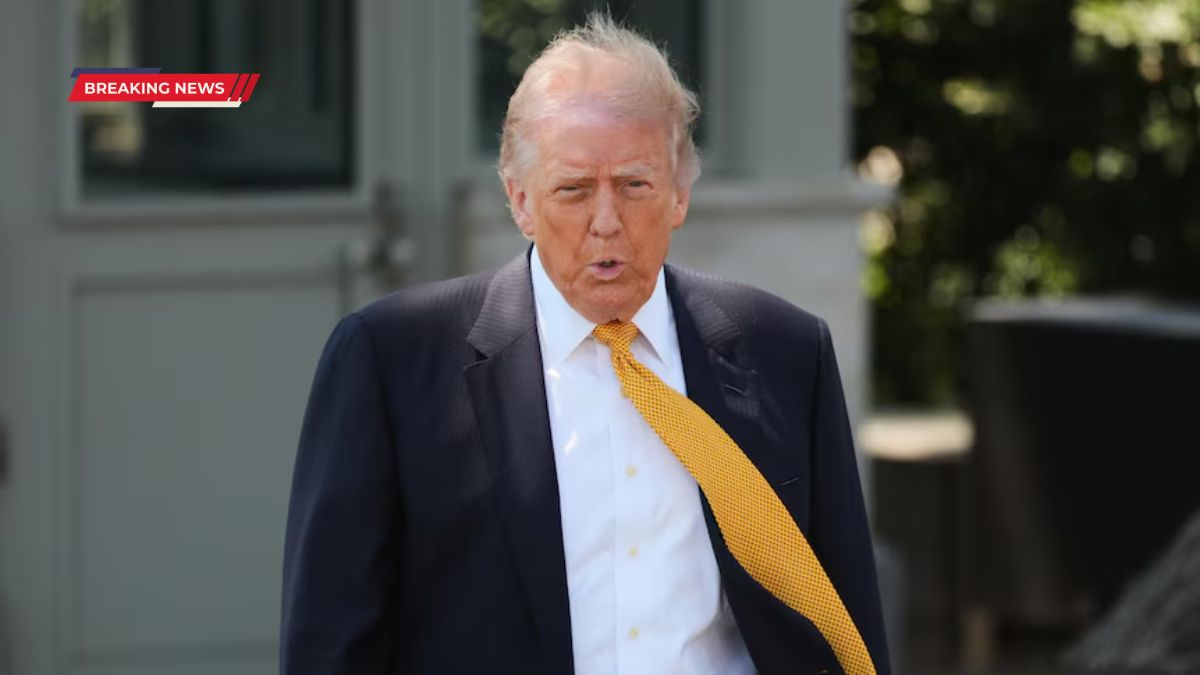
The prospect of a U.S.–Iran agreement is again drawing global attention after President Donald Trump said a deal to end the conflict would be signed on Sunday. His comments, posted on Truth Social, were quickly followed by more cautious statements from Iranian officials, highlighting uncertainty around timing and final approval. The contrast between confidence in Washington and restraint in Tehran has left governments and markets waiting for clarity.
Background
On Saturday, President Trump said an agreement to end the war with Iran was scheduled to be signed the following day. He added that the Strait of Hormuz would be opened immediately after the signing, restoring free passage through one of the world’s most important maritime trade routes.
The Strait of Hormuz is a narrow waterway connecting the Persian Gulf to global shipping lanes. Roughly one fifth of the world’s oil supply and a large share of liquefied natural gas exports move through it. Any closure or restriction has historically affected global energy prices within hours.
Trump also suggested that the United States would, at a later stage, work with Iran to remove enriched uranium from the country. While no details were provided, the statement pointed to nuclear issues being part of the broader understanding.
Iran
Iranian state media responded with caution. The Fars News Agency quoted a source close to Iran’s negotiating team as saying that Iran had not yet made a final decision on the proposed agreement. According to the report, political, legal, and technical reviews were still underway.
Iranian Foreign Ministry spokesperson Esmaeil Baghaei reinforced that message, saying that while an agreement could be signed in the coming days, it would not happen immediately. He added that hesitation from the other side required Iran to be careful in discussing timelines publicly.
These remarks suggest that, from Iran’s perspective, negotiations may be advanced but not complete. Tehran has repeatedly emphasized the need for guarantees and detailed review, particularly given past agreements that later unraveled.
Diplomatic Signals
Additional signals came from regional leaders. Pakistani Prime Minister Shehbaz Sharif said the United States and Iran were closer to a peace deal than ever before, indicating that finalization could happen within 24 hours, followed by technical level talks next week. President Trump reposted Sharif’s comments, amplifying their visibility.
Pakistan’s Deputy Prime Minister Mohammad Ishaq Dar said he had discussed the anticipated agreement with Saudi Arabia’s foreign minister. According to Dar, both sides welcomed the negotiations reaching what appeared to be a final stage, with an electronic signing ceremony expected soon.
Despite these positive signals, a senior Trump administration official said the United States was not fully confident the agreement would be signed, underscoring the remaining uncertainty.
Energy Implications
The potential reopening of the Strait of Hormuz is one of the most closely watched aspects of the proposed deal. Energy markets often react strongly to developments involving the strait because of its central role in global supply.
| Factor | Significance |
|---|---|
| Oil flows | Around 20 percent of global oil passes through |
| Gas exports | Key route for LNG shipments |
| Market sensitivity | Prices react quickly to disruptions |
If shipping through the strait resumes without restrictions, oil prices could face downward pressure. Lower energy costs would ease inflation concerns in many economies, particularly those dependent on imported fuel.
Market Response
Financial markets are currently balancing optimism with caution. Trump’s statement points to a breakthrough, while Iran’s response suggests further negotiation and review. This gap has limited immediate market reaction.
A confirmed agreement could support equity markets, especially sectors sensitive to fuel costs such as transportation and manufacturing. Emerging markets in the Middle East could also benefit from improved regional stability.
If talks are delayed or collapse, energy prices could rise again, feeding inflation and complicating central bank policy decisions. As a result, investors are closely monitoring official confirmations rather than political statements alone.
Risks and Uncertainty
Despite encouraging language, risks remain. Trump concluded his post with a warning that alternatives exist if the process fails, a comment widely interpreted as a reminder of military pressure.
Iran’s careful language indicates unresolved issues, potentially related to sanctions relief, enforcement mechanisms, or nuclear oversight. These points have historically been difficult to resolve and could slow progress.
Past experience also weighs heavily. Previous U.S.–Iran agreements have faced challenges due to changes in political leadership and mutual distrust. Signing an agreement would mark only the first step, with implementation likely to be complex.
What Comes Next
Attention is now focused on whether a formal signing takes place and how both sides describe it. A completed agreement could reshape regional relations, stabilize energy markets, and provide Iran with significant economic relief.
If no signing occurs, uncertainty is likely to persist, with continued volatility in energy prices and geopolitical risk assessments. For now, governments, businesses, and investors remain in wait-and-see mode, aware that even small developments could have wide-reaching effects.
FAQs
When did Trump say the deal would be signed?
He said the agreement would be signed on Sunday.
Why is Iran cautious about the timing?
Iran says reviews are still underway.
Why is the Strait of Hormuz important?

It carries about 20 percent of global oil.
How could markets react to a deal?
Energy prices may fall and stocks could rise.
Is the agreement guaranteed?
No, officials say it is not fully certain.