Long-running negotiations over how to divide Colorado River water took a sharper turn this week as Utah leaders warned that states pursuing lawsuits against one another could risk losing federal conservation funding. The comments come as deadlines loom and the federal government prepares to step in with its own plan for managing the river.
At a Senate hearing Wednesday, Senator Mike Lee of Utah, who chairs the Senate Energy and Natural Resources Committee, said states that sue other basin states over Colorado River operations should not expect continued federal financial support.
Lee said Congress should not reward litigation between states with additional funding, arguing that federal taxpayers should not be asked to subsidize interstate legal disputes. His comments came as negotiations among the seven Colorado River basin states remain stalled.
Funding
At stake is roughly $354 million in federal conservation funding available to the lower basin states Arizona, California, and Nevada. The money was authorized under the 2022 Inflation Reduction Act and is intended to support water conservation efforts.
Those funds are set to expire at the end of September, adding pressure to already strained negotiations. The threat to withhold funding raises the stakes for states considering legal action to protect their water interests.
Dispute
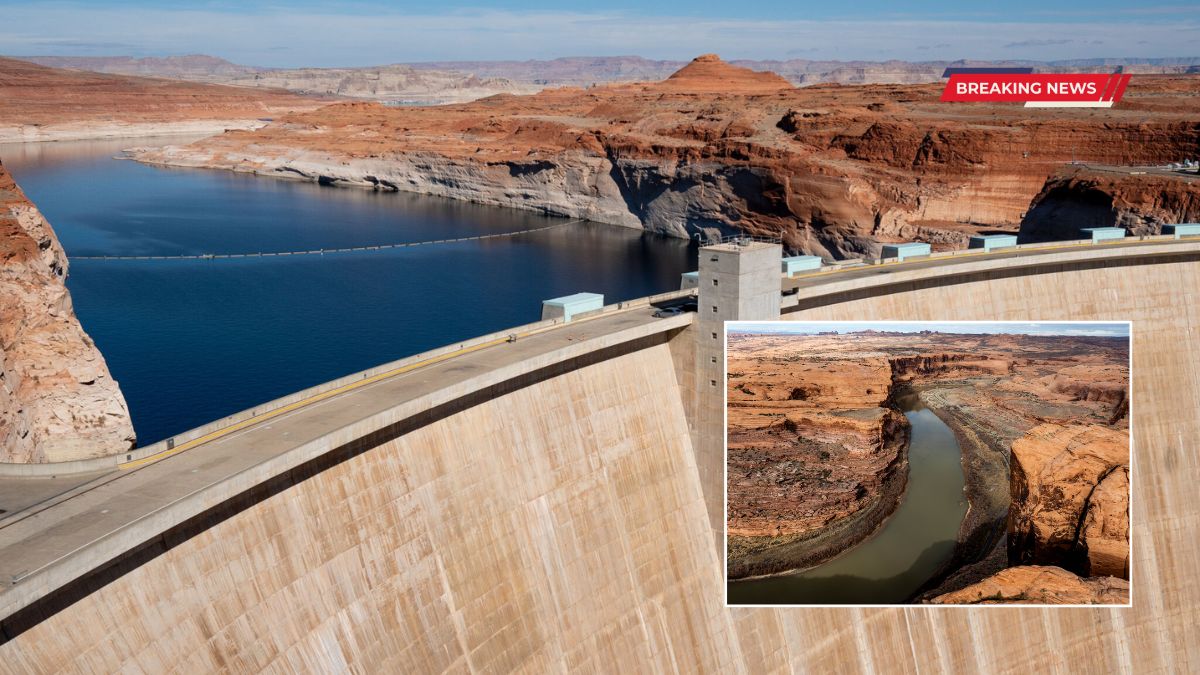
The Colorado River supplies water to nearly 40 million people across seven states. Utah is one of four upper basin states and is currently deadlocked with the three lower basin states over long-term water allocations.
Arizona officials have publicly indicated that litigation may be an option if negotiations fail. That prospect has drawn criticism from Utah leaders, who argue lawsuits would deepen conflict rather than produce solutions.
Utah’s Position
In an interview set to air Sunday on Inside Utah Politics with Lindsay Aerts, Amy Haas, executive director of Utah’s Colorado River Authority, said Utah believes federal funding should encourage cooperation, not conflict.
Haas said states that threaten or pursue lawsuits against other states over compact claims should not be rewarded with additional federal money. She emphasized that Utah’s priority is finding workable solutions for managing the river, rather than engaging in prolonged legal battles.
ABC4 News reached out to Arizona Governor Katie Hobbs for comment but had not received a response as of publication.
Federal Role
Because the states have missed two deadlines to reach an agreement, the Bureau of Reclamation, part of the U.S. Department of the Interior, is now finalizing a federally imposed plan to allocate Colorado River water for the next decade. That plan is expected to be completed by October.
Haas said Utah wants to keep its options open if the federal plan conflicts with existing law. She noted that while Utah opposes states suing other states, it may consider challenging a federal plan if it believes the proposal violates the 1922 Colorado River Compact or the National Environmental Policy Act.
Outlook
Haas acknowledged that an agreement among all seven states before October appears unlikely. She said negotiations are effectively at an impasse, largely due to a long-term imbalance between water supply and demand on the river.
Despite the deadlock, Haas said Utah remains willing to return to the table if meaningful discussions resume. Until then, states are preparing for the possibility that federal officials will decide how Colorado River water is shared for years to come.
FAQs
What did Senator Mike Lee say?
He warned states could lose funding if they sue other states.
How much funding is at risk?
About $354 million in federal conservation funds.
Which states share the Colorado River?

Seven states across the upper and lower river basins.
What happens if states cannot agree?
The federal government will impose a water plan.
Is Utah considering legal action?
Utah may challenge a federal plan if needed.