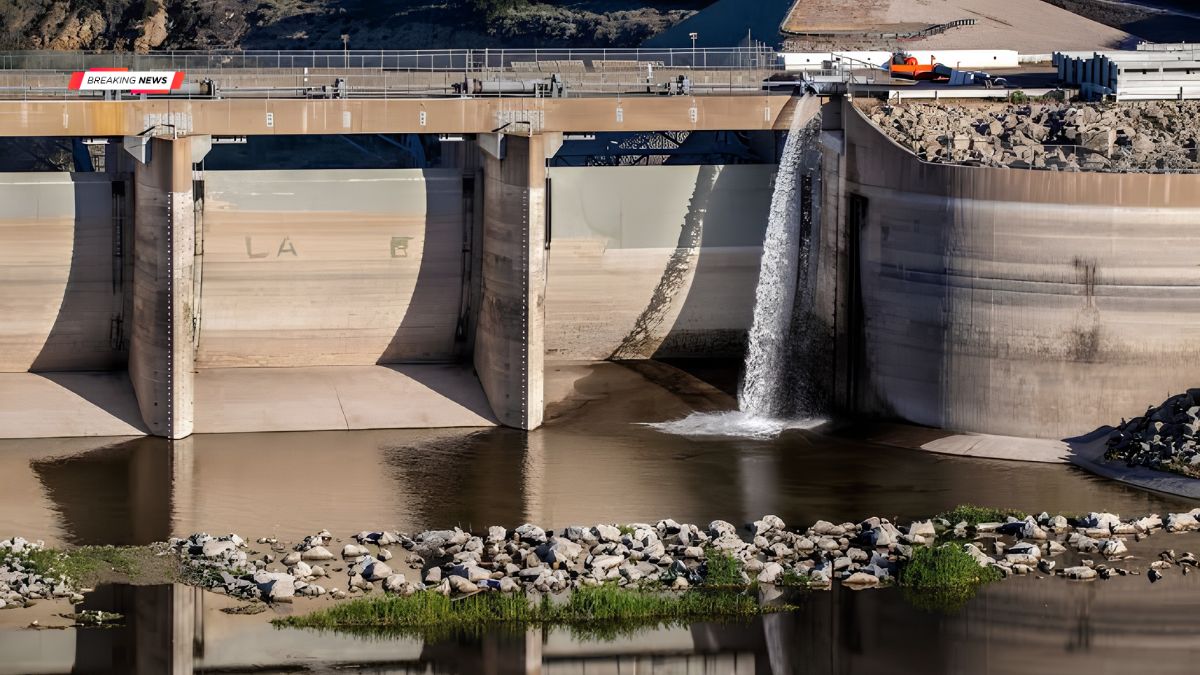
California Governor Gavin Newsom announced Thursday that the state is making $46 million available to address ongoing water contamination at the California-Mexico border, citing delays by the federal government in repairing key wastewater infrastructure tied to the long-running Tijuana River crisis.
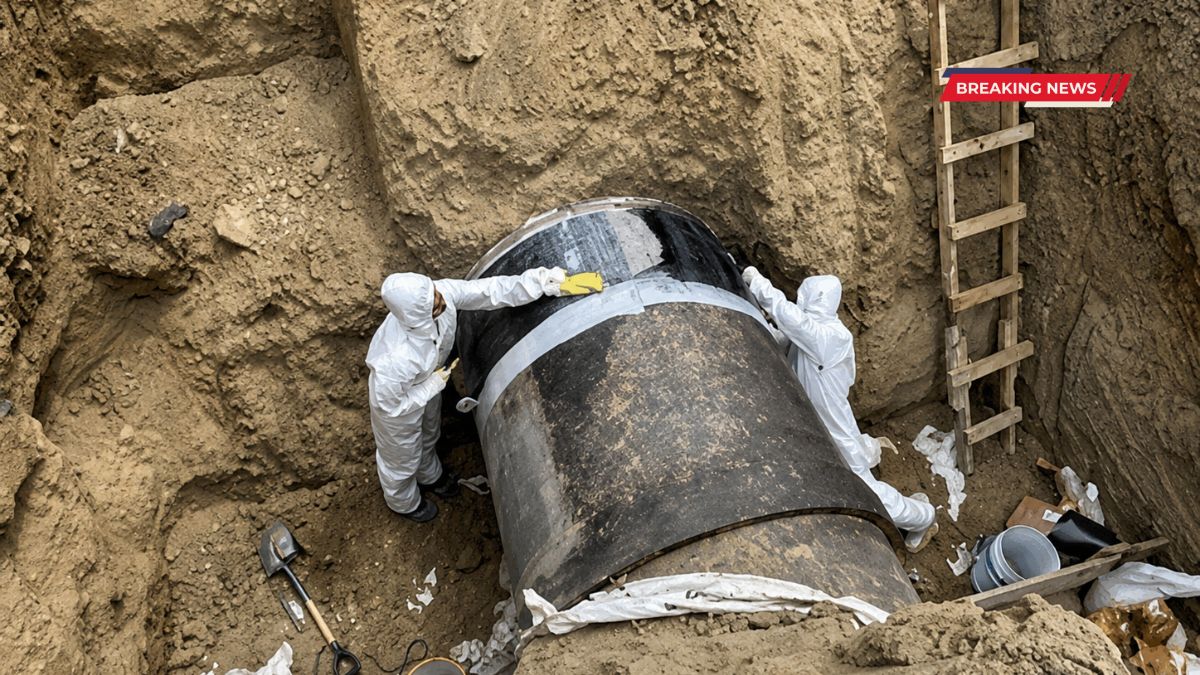
The funding, approved by voters under Proposition 4, is intended to support projects that reduce pollution and protect public health while the state continues to press the federal government to complete repairs at the South Bay International Wastewater Treatment Plant. That facility, operated by the federal government, is central to managing sewage flows from Mexico into Southern California.
The newly announced funds add to roughly $38 million California has already spent since 2019 on water quality improvements in the region.
Funding
The State Water Resources Control Board opened the grant application process on Thursday, allowing eligible agencies and organizations to apply for funding aimed at addressing contamination in the Tijuana River and the New River. The program focuses on reducing bacteria, trash, and sediment, improving public health protections, and supporting environmental restoration and mitigation.
At least one project tied to each river will be selected. Planning and research grants are capped at $750,000 per project, while implementation projects can receive up to $10 million, with potential increases to $20 million pending approval. No more than $3 million of the total funding will go toward planning or research efforts.
Officials said the competitive grant process is designed to prioritize projects that deliver measurable, on-the-ground improvements.
Federal Role
The Tijuana River wastewater treatment facility in San Ysidro is managed by the federal government through the International Boundary and Water Commission. State officials say longstanding underinvestment and delayed repairs have allowed untreated sewage, trash, and debris to cross into the United States during storm events and system failures.
Despite commitments from federal officials, including a pledge in 2025 from the U.S. Environmental Protection Agency to deliver a full solution, the state says permanent repairs have not yet been completed.
Governor Newsom has urged the federal government to expand and repair the treatment plant and to coordinate with Mexico on infrastructure projects intended to reduce cross-border pollution.
Rivers
The Tijuana River flows from Mexico into southern San Diego County, where it has been affected by sewage, industrial waste, and trash originating upstream in Tijuana. Pollutants often collect in channels such as Smuggler’s Gulch before reaching coastal areas, leading to repeated beach closures and air quality concerns.
The New River crosses the border near Calexico and flows north toward the Salton Sea. While U.S. discharges meet regulatory standards, water entering from Mexico often contains untreated sewage and industrial and agricultural waste, largely due to aging infrastructure in Mexicali.
State Efforts
California has funded a range of projects aimed at reducing pollution and mitigating health impacts, including trash capture systems, sediment basins, habitat restoration, and air quality improvements. State officials say those efforts have helped limit damage but cannot fully resolve the problem without federal action on wastewater infrastructure.
The new $46 million allocation is intended to bridge gaps while federal agencies work toward longer-term repairs.
Applications
Grant applications will be accepted from June 11 at 8 a.m. through August 31 at 5 p.m. Submissions must be made through the State Water Board’s FAAST online system. A webinar will be held to assist applicants, with details available on the Proposition 4 U.S.-Mexico Border Grant Program webpage.
Funding for the program comes from Proposition 4, the Safe Drinking Water, Wildfire Prevention, Drought Preparedness, and Clean Air Bond Act approved by California voters in 2024.
FAQs
What is the $46 million funding for?
It supports projects to reduce pollution in border rivers.
Which rivers are affected?
The Tijuana River and the New River.
Where does the funding come from?

From Proposition 4, approved by voters in 2024.
Who manages the wastewater plant?
The federal government oversees the treatment facility.
When is the application deadline?
Applications close on August 31 at 5 p.m.