A fugitive wanted in connection with two killings in California has been located and taken into custody in Laos after evading authorities for approximately eight years. The arrest brings an end to a prolonged international manhunt that involved multiple law enforcement agencies tracking the suspect across borders and continents.
Authorities confirmed that the suspect had been wanted for two separate homicide cases in California before disappearing from the United States. For years, investigators pursued leads suggesting that he had fled overseas, ultimately narrowing his possible location to Southeast Asia, where he was eventually discovered and detained.
The California Killings and Initial Investigation
The case originated in California, where the suspect was allegedly involved in two separate killings that triggered a major criminal investigation. Law enforcement agencies quickly identified him as a person of interest and later as a suspect after gathering evidence linking him to both homicide cases.
Following the incidents, investigators attempted to locate the suspect within the United States but found that he had already fled the country. Authorities believe he left soon after the killings, likely using false identification or assistance from travel networks to avoid detection.
Once it became clear that the suspect had escaped internationally, the case transitioned into a federal-level manhunt involving coordination between U.S. law enforcement agencies and international partners. The seriousness of the allegations, combined with the suspect’s disappearance, elevated the case into a long-term fugitive investigation.
International Manhunt and Tracking Efforts
Over the course of eight years, investigators followed multiple leads across different countries in an effort to locate the fugitive. Agencies worked with international law enforcement organizations, including those specializing in cross-border criminal tracking and extradition coordination.
Authorities gradually narrowed the suspect’s possible whereabouts, eventually focusing on Southeast Asia as a likely region of residence. Intelligence sharing, travel pattern analysis, and tip-offs contributed to building a clearer picture of his movements over time.
Investigators faced significant challenges during the search, including limited cross-border cooperation at certain stages and the suspect’s efforts to remain under the radar. Despite these obstacles, law enforcement continued to pursue leads until credible information placed him in Laos.
Arrest in Laos and Custody Transfer
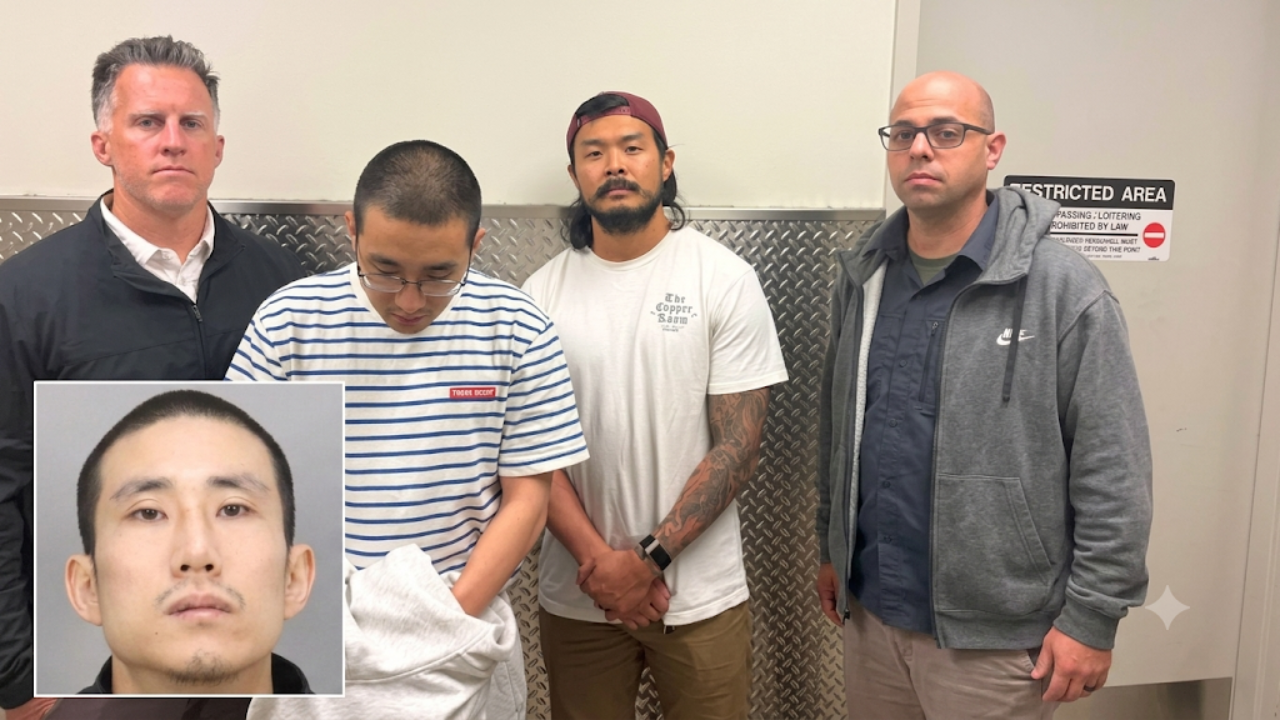
The fugitive was ultimately located in Laos, where local authorities, working in coordination with international partners, carried out the arrest operation. Officials confirmed that the suspect was taken into custody without major incident.
Following his detention, arrangements were made to initiate extradition proceedings so that he could be returned to California to face charges related to the two killings. The process is expected to involve diplomatic and legal coordination between U.S. and Laotian authorities.
Law enforcement agencies emphasized that the arrest demonstrates the effectiveness of long-term international cooperation in pursuing fugitives who attempt to evade justice by fleeing abroad.
Case Overview Table
| Category | Details |
|---|---|
| Origin | California, United States |
| Case Type | Double homicide investigation |
| Suspect Status | Arrested after 8 years on the run |
| Arrest Location | Laos |
| Investigation Scope | International manhunt |
| Agencies Involved | U.S. law enforcement, international partners |
| Method of Tracking | Intelligence sharing, global coordination |
| Outcome | Suspect apprehended abroad |
| Next Step | Extradition to the United States |
| Duration of Flight | Approximately 8 years |
Role of International Cooperation
The successful location and arrest of the suspect highlight the importance of international cooperation in modern law enforcement. Agencies across multiple countries contributed intelligence and operational support that ultimately led to the fugitive’s capture.
Organizations such as international policing networks play a key role in sharing data on wanted individuals, travel records, and identity verification, which can help locate suspects even years after they initially flee. In this case, sustained collaboration ensured that the investigation did not lose momentum over time.
Officials noted that fugitives who attempt to escape across borders often rely on complex concealment strategies, but long-term investigative persistence can still lead to successful outcomes.
Community and Legal Response
The arrest has been welcomed by investigators and individuals connected to the original California homicide cases. While details of the victims and specific circumstances remain part of the ongoing legal process, authorities emphasized that the arrest represents a significant step toward justice.
Legal proceedings in California are expected to resume once extradition is completed. Prosecutors will likely present the original evidence collected during the homicide investigations, along with any additional information obtained during the fugitive’s time abroad.
The case also serves as a reminder of the enduring nature of serious criminal investigations, where even years after an incident, law enforcement continues efforts to bring suspects to justice.
The arrest of a fugitive in Laos after eight years on the run brings closure to a complex and long-running international manhunt connected to two killings in California. Through persistent investigation and cross-border cooperation, authorities were able to track, locate, and detain the suspect despite years of evasion.
As extradition proceedings move forward, the case returns to the California justice system, where the suspect will face charges related to the original homicides. The resolution of this case underscores the reach of international law enforcement collaboration and the long-term commitment required to resolve serious violent crime investigations.
FAQ’s:
What was the suspect wanted for?
The suspect was wanted in connection with two killings in California.
How long was he on the run?
He evaded authorities for approximately eight years.
Where was he found?

He was located and arrested in Laos.
What happens next?
He is expected to be extradited to the United States to face charges.
How was he tracked down?
Law enforcement used international cooperation, intelligence sharing, and investigative leads over several years.