The United States carried out additional military strikes on targets inside Iran early Thursday, according to U.S. Central Command (CENTCOM), marking a significant escalation in a rapidly deteriorating standoff between Washington and Tehran.
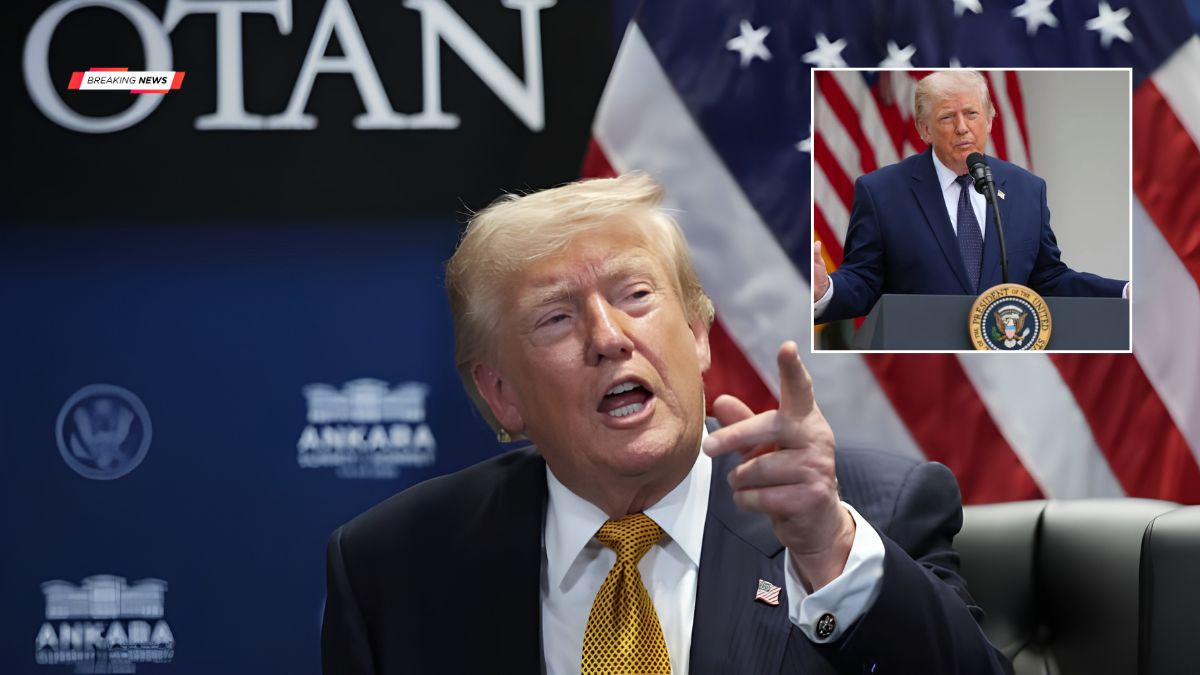
The strikes came just hours after President Donald Trump said the U.S. would hit Iran “hard” if diplomatic efforts failed, as tensions continued to rise despite a fragile, months-long ceasefire arrangement.
Strikes
CENTCOM confirmed on social media that U.S. forces struck multiple targets inside Iran, describing the operation as a response to what it called continued Iranian aggression.
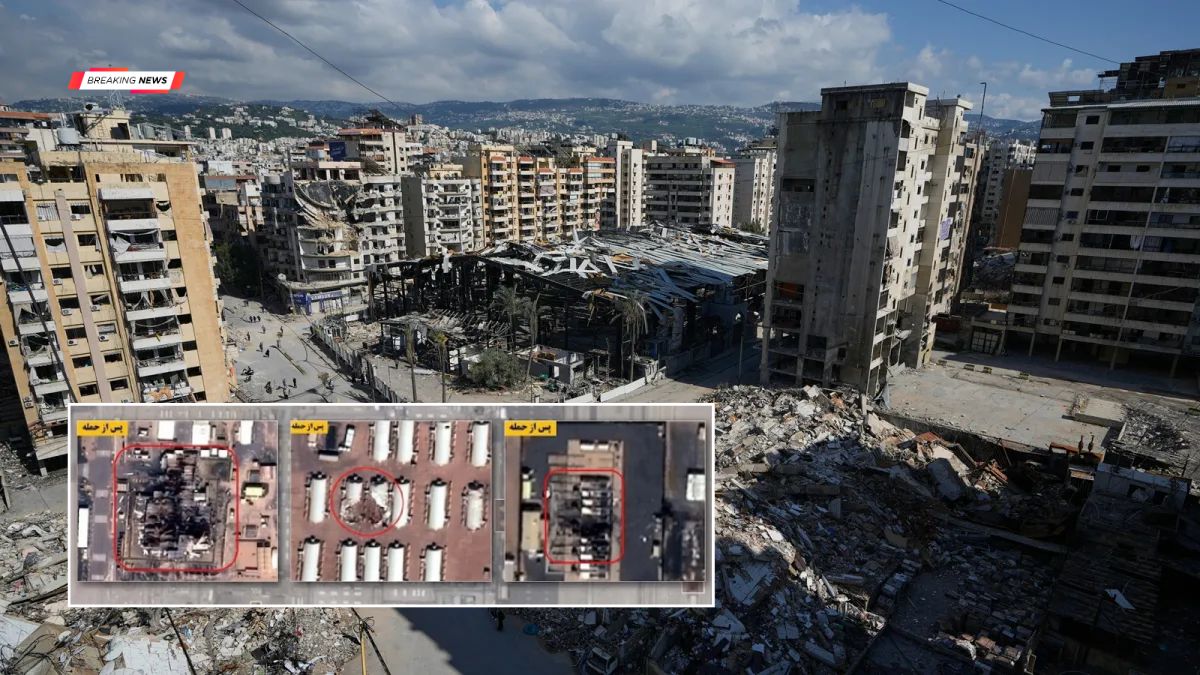
According to U.S. officials familiar with the operation, the strikes hit a range of military-related infrastructure, including ammunition depots, command-and-control facilities, and storage warehouses.
Iranian state-linked media reported explosions in several locations and said air defense systems were activated in response to incoming strikes.
Escalation
The latest operation follows an earlier wave of U.S. strikes conducted a day prior, which reportedly targeted nearly 20 sites inside Iran. Those strikes were described by U.S. officials as retaliation for the downing of an American military helicopter near the Strait of Hormuz.
In response, Iranian forces launched drones toward U.S. allied positions in the region, further heightening concerns about broader regional escalation.
Despite the exchange of fire, U.S. officials have stated that the existing ceasefire framework remains in effect, though it has become increasingly strained.
Diplomacy
For weeks, U.S. and Iranian negotiators have engaged in indirect discussions aimed at stabilizing the situation. Topics have included maintaining the ceasefire, reducing military activity in the region, and addressing long-standing disputes over Iran’s nuclear program and maritime access.
However, progress has been limited. Iranian officials have accused Washington of sending conflicting signals and undermining diplomatic efforts through continued military action.
Statements
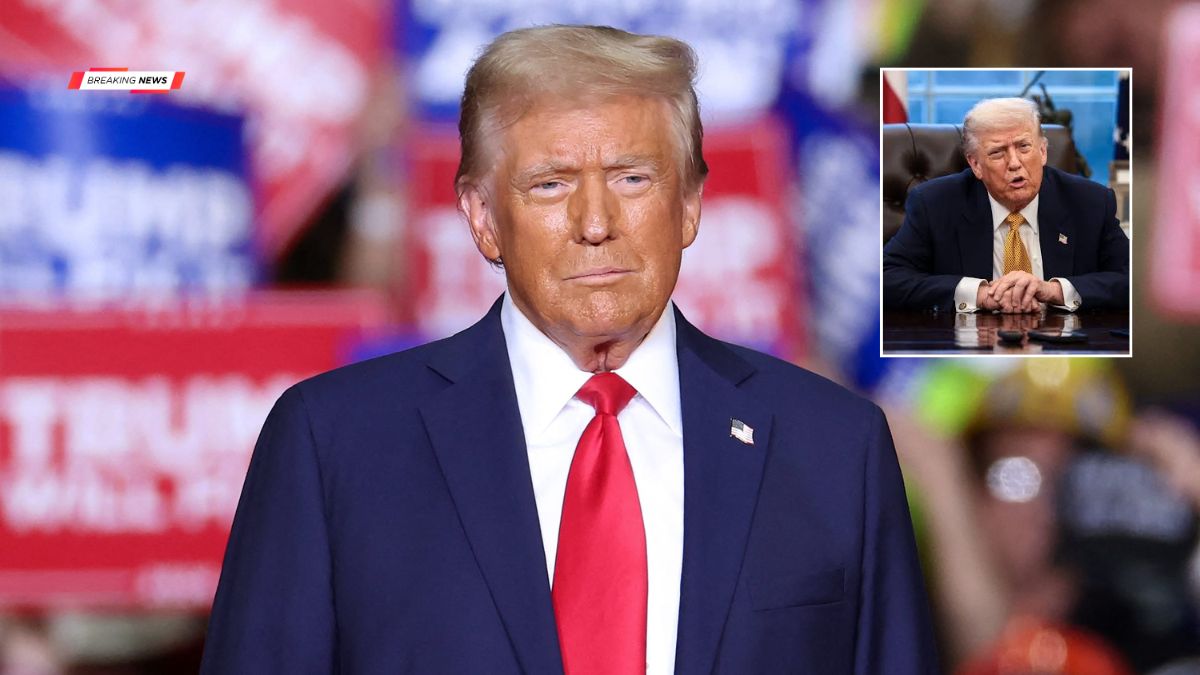
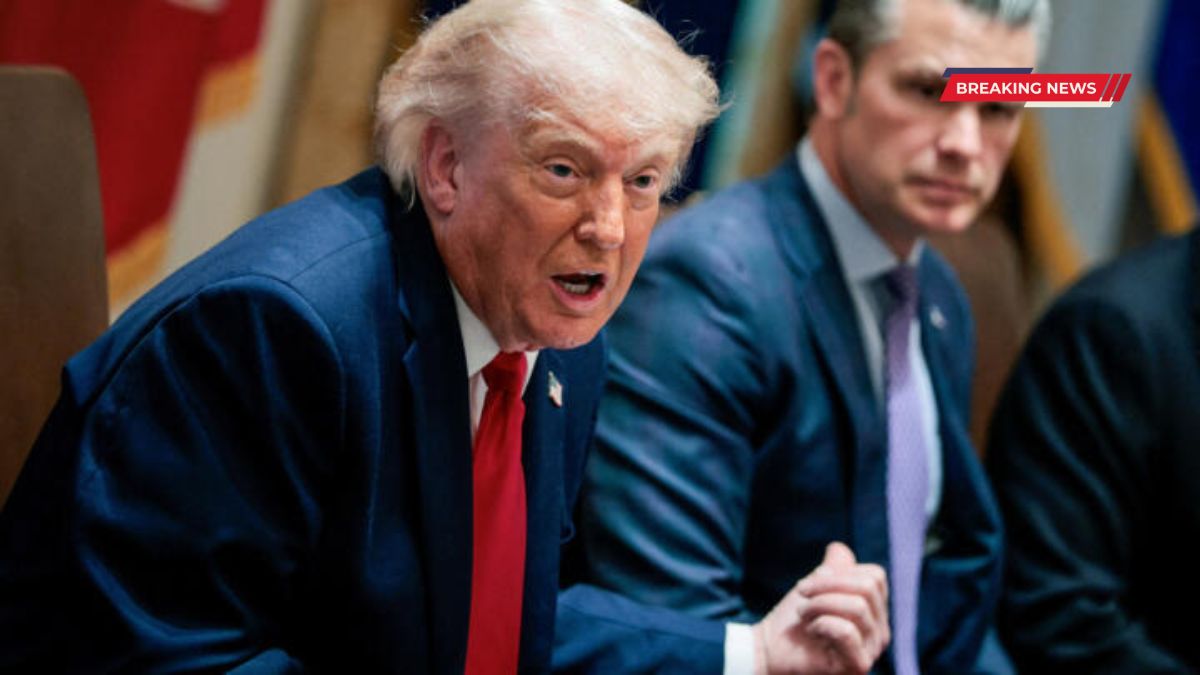
President Trump said on Wednesday that Iran had delayed negotiations and warned that further strikes were possible.
He stated that Iran had “taken too long to negotiate a deal” and would “pay the price” if an agreement was not reached.
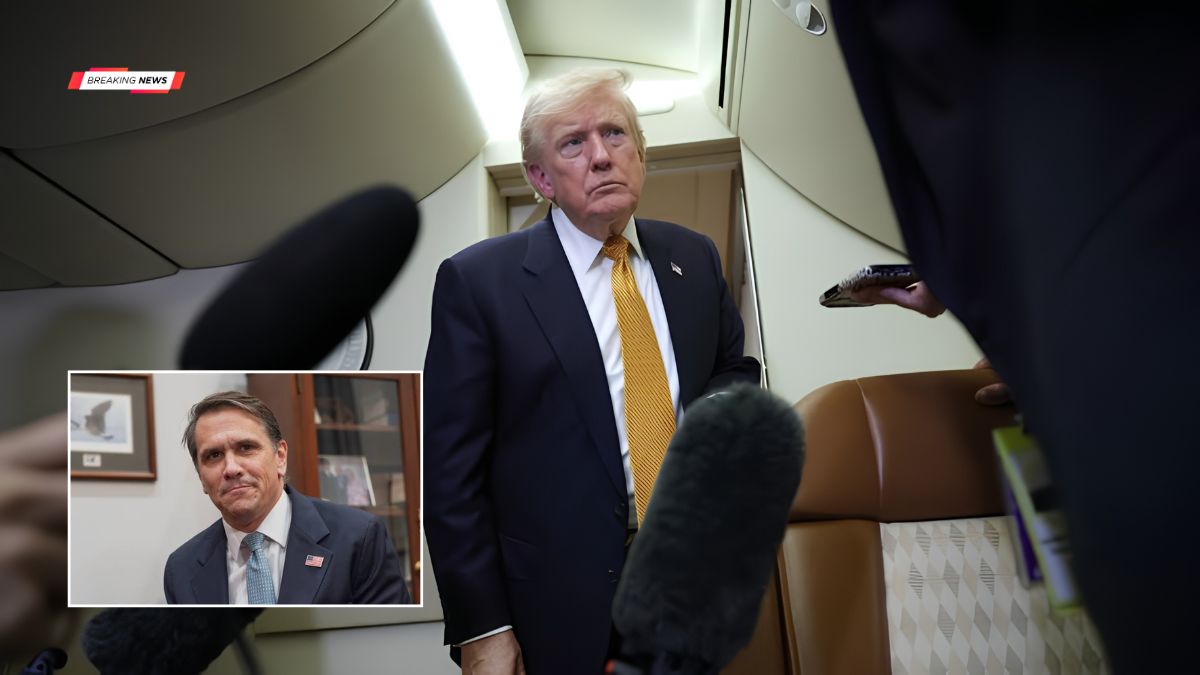
Defense Secretary Pete Hegseth also indicated that military pressure was intended to influence diplomatic outcomes, saying that force could be used as a negotiating tool if necessary.
Regional Impact
The Strait of Hormuz, a key global shipping route, remains a central point of concern amid the ongoing tensions. Any disruption in the area could have significant implications for global energy markets and regional security.
The exchange of strikes and counter-strikes has raised concerns among international observers about the risk of broader escalation, particularly if ceasefire arrangements continue to break down.
Outlook
While both sides have publicly indicated differing positions on negotiations, neither has formally withdrawn from diplomatic channels. However, continued military activity has added uncertainty to efforts aimed at de-escalation.
Further developments are expected as both Washington and Tehran assess the next steps in a rapidly evolving situation.
FAQs
Why did the U.S. launch strikes on Iran?
Officials said the strikes were in response to continued Iranian aggression.
What targets were hit?
Ammunition depots, command-and-control sites, and warehouses.
Is there still a ceasefire?
Yes, but it is described as fragile and under strain.
How did Iran respond?
Reports say Iran activated air defenses and launched drones regionally.
Is diplomacy still ongoing?
Yes, indirect negotiations are continuing despite tensions.