Phoenix police and park rangers are facing renewed scrutiny after video footage showed officers detaining homeless people inside a city park after closing hours, a tactic advocates say is designed to trap people who have nowhere else to go.
The incident occurred late on the night of June 2 at University Park, a small green space in central Phoenix near several homeless service providers. Video of the encounter, shared by the Instagram account @unshelteredphx, shows park rangers and Phoenix police officers blocking exits, detaining people who remained inside the park after hours, checking them for warrants, issuing trespass citations, and then forcing them to leave.
Advocates describe the practice as unethical and potentially unlawful, particularly given Phoenix’s history of litigation over how homeless residents are policed.
Incident
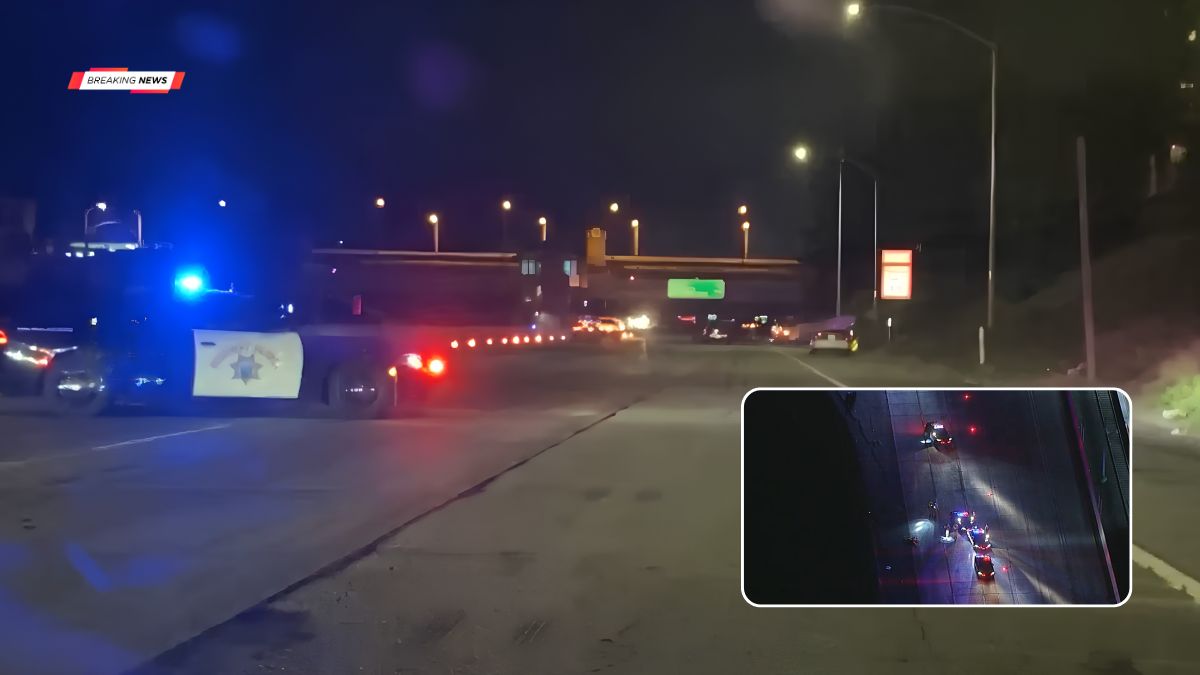
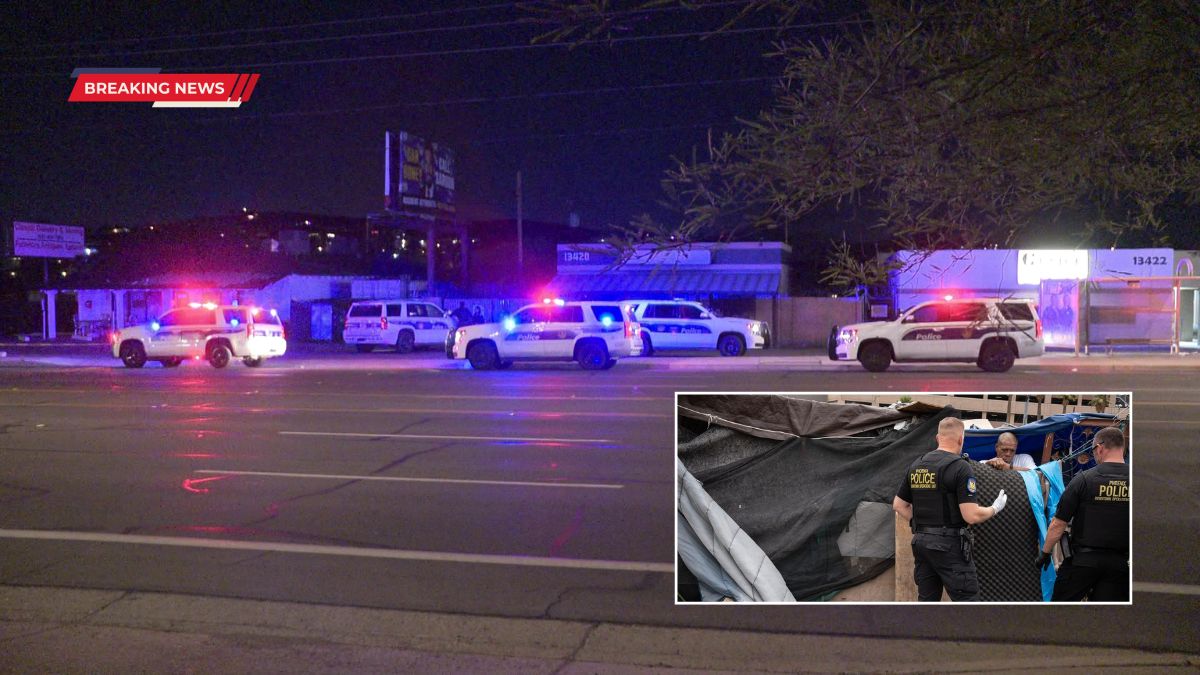
Just after 11 p.m., about an hour after University Park officially closed, three city vehicles entered the park in sequence. A park ranger pickup arrived first, followed by a Phoenix police patrol Tahoe, and then a second ranger SUV.
Under the park’s bright lights, people were still gathered at picnic tables and open areas. As the vehicles approached, one man attempted to leave through an open gate but was stopped by a park ranger and told to sit at a nearby table. According to the video, he was not allowed to exit.
Officers detained those still in the park, ran their names for outstanding warrants, issued trespass citations, and then ordered them to leave. The park gates were closed shortly afterward.
Video
The footage was recorded by Sophia Elicia, who runs the @unshelteredphx account and regularly provides aid to people experiencing homelessness. She asked that only her first and middle names be used, citing fear of retaliation.
Sophia Elicia said park rangers had arrived earlier in the evening and appeared to monitor the group before entering. According to her account, rangers closed all but one gate before police arrived, making it impossible for people inside to leave without encountering officers.
Many of the people in the park, she said, had no reliable way to tell the time and were unaware they were already in violation of park hours.
Tactic
Advocates say this approach is not new. According to Sophia Elicia, rangers frequently leave parks accessible past closing time, then close gates and conduct enforcement operations once people are inside.
She said people are typically not warned that the park is closing. Instead, they are detained, issued trespass orders barring them from returning for at least 30 days, and removed.
The Phoenix Police Department and the city’s Parks and Recreation Department did not respond to requests for comment.
Context
University Park sits near several major homeless service locations, including Central Arizona Shelter Services, Andre House of Arizona, Key Campus, and the city’s sanctioned Safe Outdoor Space. The area is also close to The Zone, a long-standing encampment site.
Advocates say the park is one of the few nearby places offering shade, seating, and grass. In the summer heat, access to shaded public space can be critical.
Elizabeth Venable, co-founder of the nonprofit Fund for Empowerment and a plaintiff in a 2022 lawsuit against the city, said enforcement at the park appears targeted.
She said people experiencing homelessness are often forced to occupy public space because they lack private alternatives.
Legal
Phoenix has been the subject of multiple legal challenges over its treatment of homeless residents. A 2022 federal lawsuit documented arrests for sleeping in public spaces, including parks. A judge issued an injunction limiting the city’s ability to arrest homeless people for sleeping outdoors.
In 2024, a U.S. Supreme Court ruling allowed municipalities to arrest people for sleeping in public spaces, weakening parts of that injunction. Phoenix later adopted an ordinance banning camping within 500 feet of parks, shelters, schools, and childcare facilities.
That same year, the U.S. Department of Justice released a report finding Phoenix police often unlawfully detained, cited, or arrested people experiencing homelessness. The Trump administration later closed all federal civil rights investigations into police departments, including Phoenix.
Advocates say enforcement actions increased after those federal pressures were removed.
Voices
When Phoenix New Times visited University Park two nights after the video was recorded, the park was again filled with people seeking temporary refuge. Several said they had experienced similar encounters.
A man who identified himself as Christopher said rangers often leave gates open until well after closing time, then arrive with police.
Another park visitor, Kyra, said many people do not know the exact time because phones and watches are often lost or stolen, and charging access is limited.
They said warnings before closing time used to be common but have largely stopped.
Meaning
On social media, Sophia Elicia referred to the tactic as a “honeypot,” a term used to describe luring someone into a trap by making a space appear safe or accessible.
She said people believe they are catching a break by staying in the park, only to be detained and trespassed later.
Trespass citations can bar someone from a park for 30 days to a year. Advocates argue that enforcement does little to change behavior when people have no alternative place to go.
Sophia Elicia said she used to warn people when closing time approached but stopped because she could not be there every night.