President Donald Trump’s proposal to house thousands of homeless veterans in Los Angeles has drawn renewed scrutiny after federal budget documents for fiscal 2027 reportedly included no direct funding for construction of the planned facility. The proposal, which centers on the West Los Angeles Veterans Affairs Medical Center campus, has become a point of discussion in Congress as lawmakers examine timelines, costs, and implementation progress.
The plan originated from an executive order issued during Trump’s administration calling for the development of a National Center for Warrior Independence, intended to provide housing for up to 6,000 homeless veterans. The proposed completion date was set for January 2028, according to the order. However, recent budget submissions and congressional testimony have raised questions about how the project would be financed and delivered within that timeframe.
Proposal
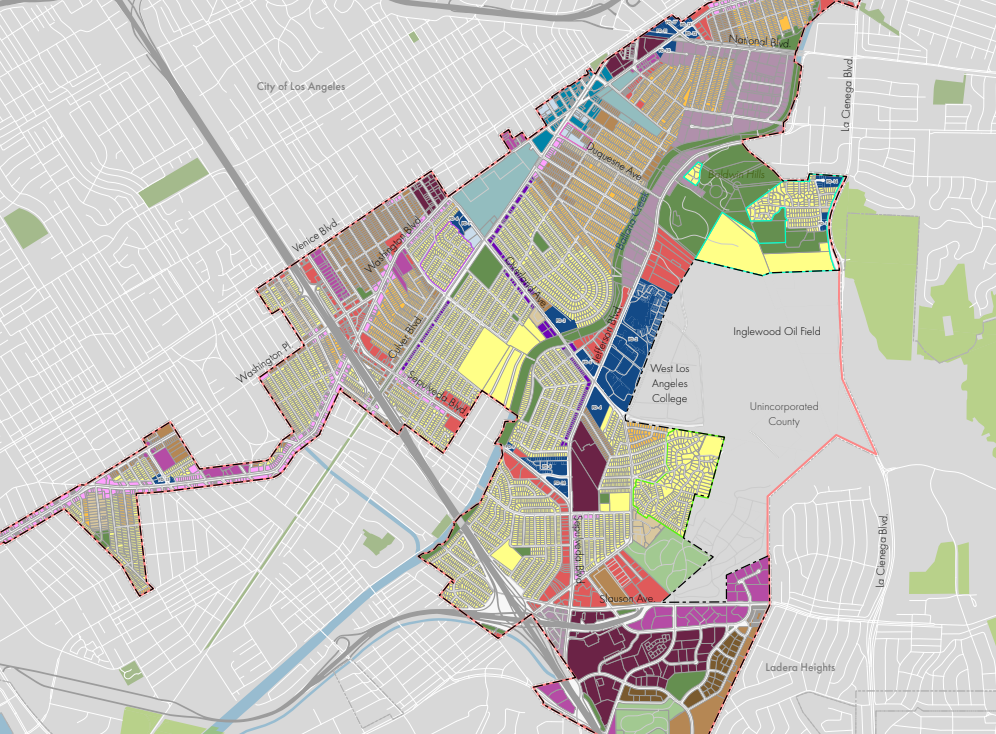
The housing initiative focuses on the West Los Angeles VA campus, a long-established federal site originally granted in the late 19th century for veteran care and support services. Over time, portions of the campus have been used for a range of purposes, including leased or licensed space for private entities, a point that has been raised in past policy debates.
The executive order framed the redevelopment as a large-scale effort to expand housing capacity for homeless veterans in the region. The 6,000-bed figure has not been publicly detailed in terms of how it was calculated, and officials have not provided a breakdown of whether it reflects existing demand, projected need, or broader relocation assumptions.
Budget
In the fiscal 2027 budget proposal, reporting indicates that no specific funding line was allocated for construction of new housing units tied directly to the West LA initiative. This has prompted questions from lawmakers and policy analysts about how the project would move forward without dedicated appropriations.
At the same time, administration officials have pointed to broader Department of Veterans Affairs housing and infrastructure efforts, suggesting that future budget submissions and contracting processes may address funding in stages rather than through a single allocation.
The absence of immediate funding does not necessarily cancel the proposal, but it places greater emphasis on future congressional appropriations, contracting timelines, and public-private development options.
Hearing
During a May 13 House Veterans Affairs Committee hearing, lawmakers from both parties questioned agency officials about the status of the West LA redevelopment plan. Committee leadership emphasized the need for clearer documentation and timelines, particularly regarding costs and implementation structure.
One area of concern raised by lawmakers involved the use of nondisclosure agreements related to aspects of the project. According to reporting from NPR, some officials and stakeholders involved in planning discussions have been asked to sign such agreements, prompting questions about transparency in the planning process.
Republican and Democratic members alike expressed concern about delays in providing updated planning materials to Congress, with some lawmakers noting that briefing documents were delivered later than expected.
Oversight
Congressional oversight of large federal construction and housing projects typically involves regular reporting on budgets, procurement, and progress milestones. In this case, lawmakers have questioned whether they are receiving sufficient detail to evaluate the feasibility of the 6,000-unit target.
Committee leadership has stated that transparency is necessary to ensure that federal land use and public funds are managed appropriately. Concerns have been raised about whether planning decisions are being adequately communicated to Congress during early stages of development.
Oversight discussions have also included the scale of the project relative to existing housing capacity at the West LA VA campus, which currently houses a significantly smaller number of residential units.
Capacity
According to testimony cited in reporting, housing capacity at the West LA VA campus has increased from approximately 955 beds to 1,377 beds during the current administration period. Officials have indicated that these increases were achieved through ongoing facility adjustments and not directly tied to the executive order establishing the larger 6,000-bed goal.
Lawmakers have questioned whether the existing infrastructure and staffing levels at the campus would be sufficient to support a much larger residential population. Concerns have included access to healthcare services, case management, and long-term supportive housing programs for residents.
Some representatives have also noted that additional housing without expanded services could create operational strain on existing VA systems.
Response
The Department of Veterans Affairs has stated that it is continuing work on implementing the executive order and expanding housing opportunities at the West LA campus. Officials have pointed to efforts to reclaim and repurpose portions of the property that had previously been leased or licensed for private use.
VA representatives have also indicated that a request for proposals has been issued to develop additional housing units on the campus. According to a public notice from the General Services Administration, responses to the request are due in late June.
In addition, VA officials have suggested that future budget submissions will include funding requests for additional housing development phases. They have also cited ongoing legal disputes involving the property as a factor affecting the pace of development.
Context
The West Los Angeles VA campus has long been part of broader policy discussions regarding veteran homelessness in the United States, particularly in high-cost urban areas. Legal actions and advocacy efforts have previously focused on increasing the availability of housing on federally controlled land.
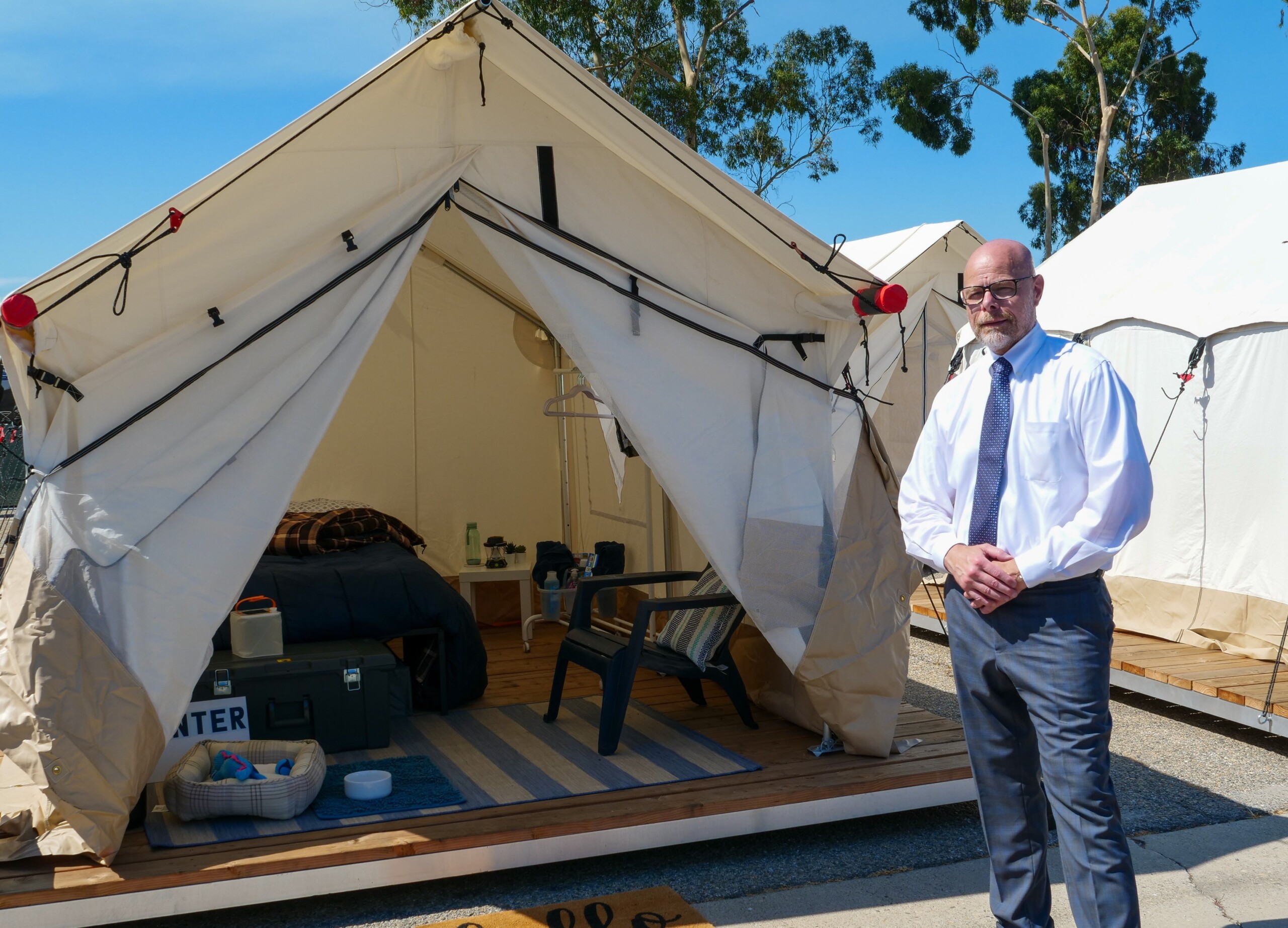
Earlier reporting has noted that some proposals for interim housing solutions, including small modular units, have faced opposition from certain veterans and community stakeholders, who have raised concerns about design, livability standards, and long-term suitability.
The broader challenge of veteran homelessness in Los Angeles remains a persistent policy issue, with estimates of affected populations varying depending on methodology and data sources. Policymakers continue to balance immediate housing needs with long-term infrastructure planning and regulatory constraints.
As the fiscal 2027 budget process continues, the gap between the executive order’s stated housing target and the absence of direct funding has become a focal point in congressional discussions. Lawmakers are expected to continue seeking updated cost estimates, implementation timelines, and clarification on how the project will proceed in practice.
The outcome of these discussions will likely determine whether the West LA initiative moves forward as a large-scale redevelopment project or evolves into a more incremental expansion of existing veteran housing capacity.
FAQs
What is the West LA veteran housing plan?
A proposal to expand housing for homeless veterans.
Was funding included in the 2027 budget?
Reports indicate no direct funding was allocated.
How many veterans is the project meant to house?
The plan references up to 6,000 housing units.
What concerns have lawmakers raised?
Issues include cost clarity, timing, and transparency.
Is the project already underway?
Planning is ongoing with proposals and hearings in progress.