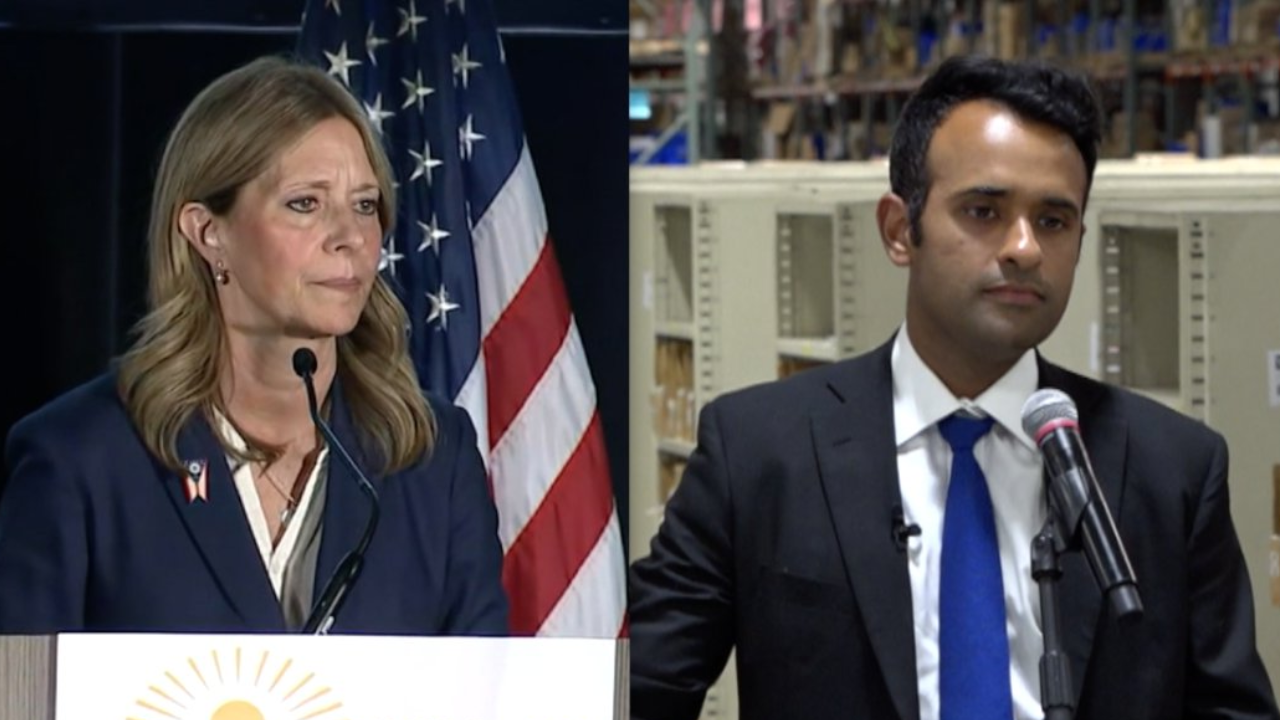
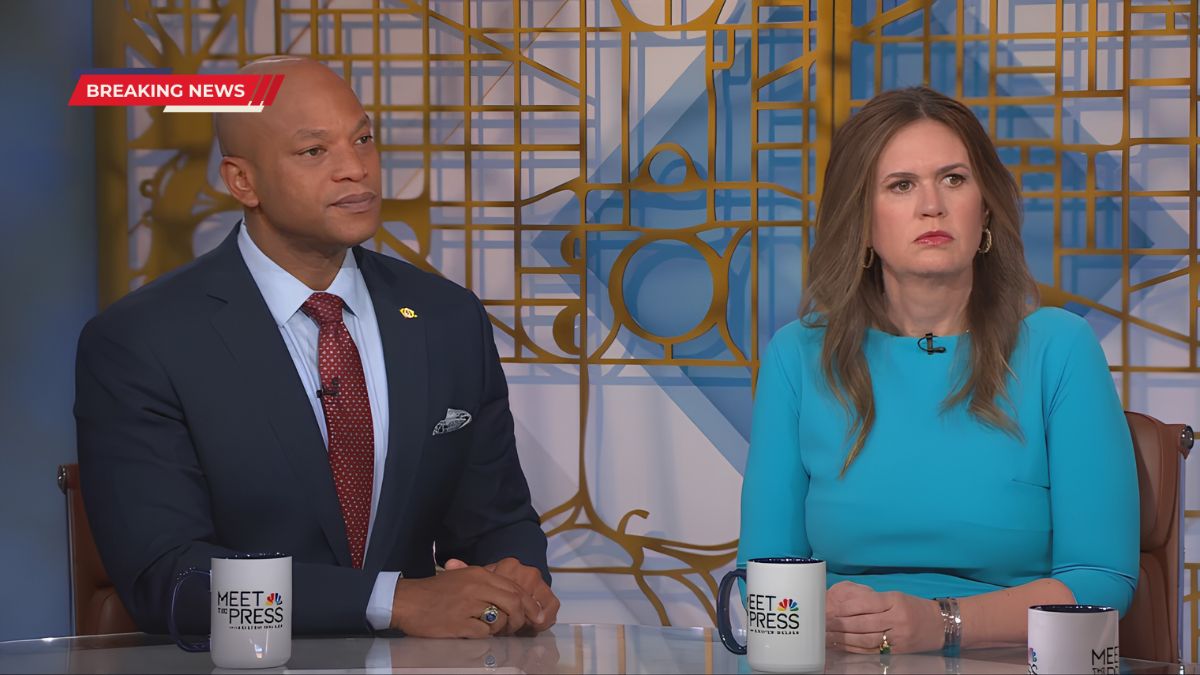
Maryland Gov. Wes Moore and Arkansas Gov. Sarah Huckabee Sanders highlighted new maternal health initiatives this week, emphasizing the importance of supporting mothers during pregnancy and after childbirth despite political differences on other issues.
The two governors appeared alongside philanthropist Olivia Walton during an interview on NBC News’ “Meet the Press,” where they discussed programs aimed at improving maternal health outcomes and reducing maternal mortality rates.
Although Moore is a Democrat and Sanders is a Republican, both stressed the need for stronger healthcare support systems for mothers and families.
Arkansas
Sanders said maternal health became a major focus after she took office because Arkansas has consistently ranked among the states with the highest maternal mortality rates.
“If we can see these women and help them and support them from the very beginning of their pregnancy all the way through, then we can help address some of these problems and we can change maternal health,” Sanders said.
She explained that her administration created a strategic working group to examine healthcare gaps and recommend improvements throughout the state.
According to Sanders, the initiative drew support from people across political lines.
“People that I know actively campaigned against me were some of the most helpful people in developing our strategic plan,” she said.
She added that maternal health issues often unite communities regardless of politics because “everybody knows a mom.”
Programs
The working group’s recommendations helped shape Arkansas’ Healthy Moms, Healthy Babies Act and other state programs.
One initiative highlighted during the interview was the Proactive Postpartum Call Center operated through the University of Arkansas for Medical Sciences.
The program contacts women during the first six weeks after childbirth to discuss physical recovery, mental health concerns, and follow-up care.
Supporters say the initiative aims to improve postpartum care and encourage mothers to seek ongoing medical attention after leaving the hospital.
Postpartum
Olivia Walton, founder of Healthy Moms, Healthy Babies America, emphasized that postpartum healthcare often receives less attention than prenatal care in the United States.
“We’ve got to start doing postpartum care because we don’t really do it in America,” Walton said during the interview.
She pointed to statistics showing that many maternal health complications occur after childbirth rather than during pregnancy itself.
According to Walton:
| Maternal Health Statistic | Reported Figure |
|---|---|
| Maternal mortality after birth | About two-thirds |
| Mothers skipping postpartum checkups | About 40% |
| Medicaid mothers missing checkups | About 60% |
Walton said nurse home visits within the first two weeks after childbirth are considered a strong model for improving outcomes, though such services are not widely available nationwide.
She praised Arkansas’ postpartum call center as one example of a state-level solution.
Maryland
Moore discussed Maryland’s Bridge Program, which is designed to provide direct financial support to low-income mothers during and after pregnancy.
The initiative will initially focus on 150 families in areas of Maryland experiencing concentrated poverty.
“It is something that’s going to focus on providing cash assistance to mothers who are both prenatal and then postnatal mothers,” Moore said.
He said the goal is to reduce financial stress and improve long-term outcomes for both mothers and children.
Moore also linked maternal health support to broader efforts to reduce childhood poverty.
“We know that if you want to better help children and address the issue of childhood poverty, it means support their families and support their moms,” he said.
Abortion
The conversation also touched on how abortion policy intersects with maternal healthcare.
Sanders described herself as “unapologetically pro-life” and said Arkansas remains one of the country’s most restrictive states on abortion access.
However, she argued that support for mothers should continue well after childbirth.
“It can’t just be if we’re pro-life,” Sanders said. “We have to be whole-life.”
Moore agreed on the importance of services such as foster care and adoption support but said he disagreed with overturning Roe v. Wade.
“I think this was something that was law of the land literally for decades,” Moore said.
He also referenced Maryland voters approving constitutional protections for abortion access in the state.
Focus
Despite their differing political positions, both governors emphasized that maternal health remains an area where bipartisan cooperation is possible.
Healthcare advocates have increasingly focused attention on maternal mortality rates, postpartum care access, mental health support, and economic assistance programs in recent years.
The discussion highlighted how states are pursuing different strategies to address maternal healthcare challenges while sharing the broader goal of improving outcomes for mothers and families.
FAQs
Which governors discussed maternal health initiatives?
Wes Moore and Sarah Huckabee Sanders discussed them.
What Arkansas program was highlighted?
The Proactive Postpartum Call Center was discussed.
What is Maryland’s Bridge Program?

It provides financial support to low-income mothers.
What issue did Olivia Walton emphasize?
She stressed the importance of postpartum care.
Did the governors agree on abortion policy?
No, they expressed different views on abortion.